

A humanitarian operation in Russian-occupied Oleshky has offered residents food and a choice of evacuation destination, while Ukraine’s government says 527 could return to Ukrainian-held territory, a figure it says may change.
The mission followed a localised ceasefire brokered with assistance from US First Lady Melania Trump, after the Russian General Staff chief, Valery Gerasimov, announced a “silence regime” along the Kherson front.
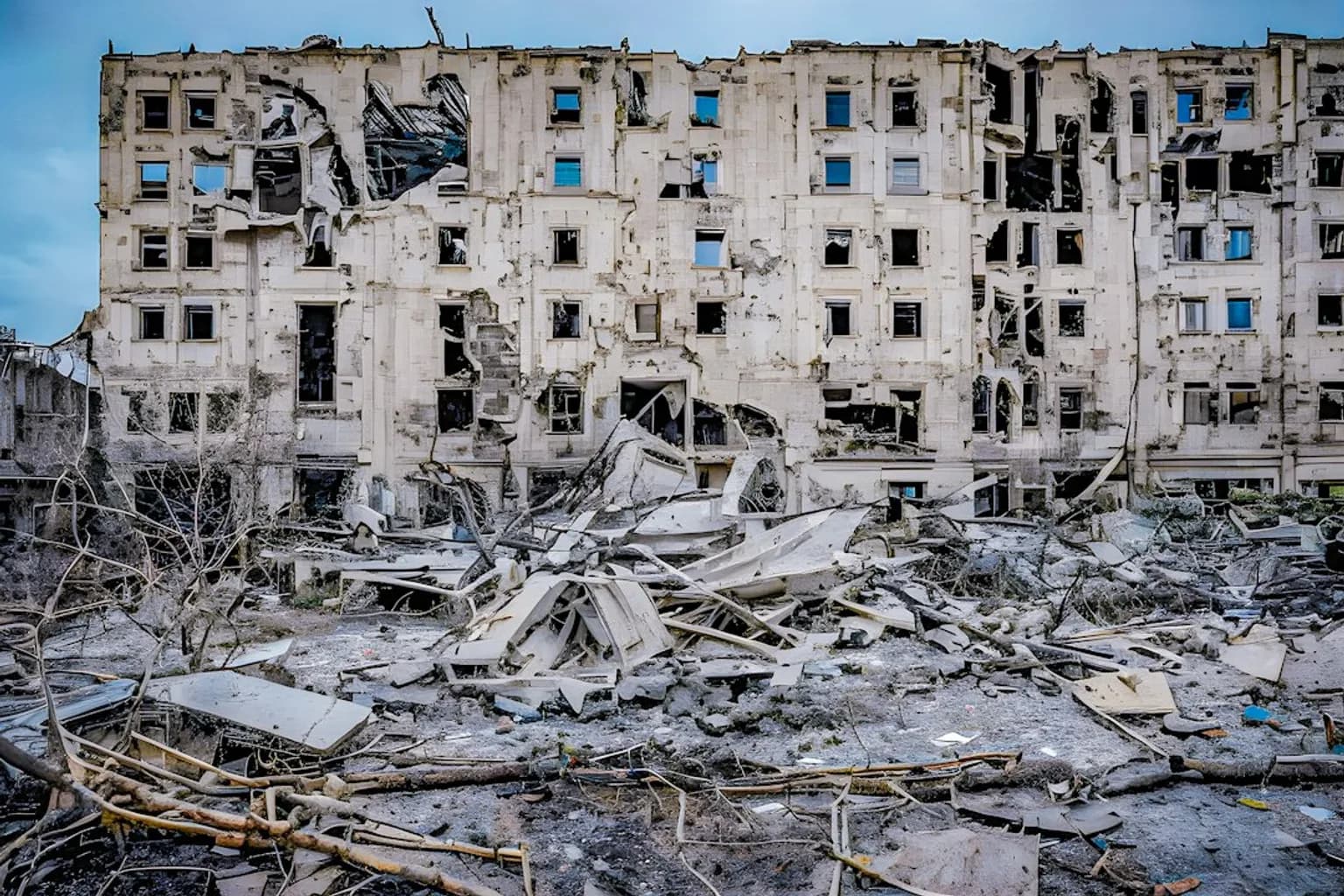
Oleshky has been under Russian occupation since the opening stages of the full-scale invasion in February 2022, and was badly flooded after the destruction of the Kakhovka dam in 2023. The city lies on the left bank of the Dnipro River in Ukraine’s southern Kherson region, roughly 5 kilometers (3 miles) southeast of Kherson city.
Once home to about 24,000 people, it has no electricity, heat or running water, and its roads are heavily mined. Foreign Minister Andrii Sybiha has estimated that roughly 1,700 people, including 47 children, remain in the city. Lubinets has put the figure across Oleshky and surrounding settlements at about 6,000 people, including some 200 children.
The last reported food delivery reached Oleshky on May 26. By Sept. 16, residents had begun leaving independently on foot through mined fields despite the threat of constant Russian drone attacks, Lubinets said. Some residents said they had survived on a cup of rice or buckwheat a day, sometimes supplemented with a tomato, cucumber or wild plants.
The ceasefire began at 3am Kyiv time on Tuesday, 27 October, and is scheduled to remain in force until 10:59pm on 1 November. Mined routes were cleared in preparation, and more than 64 hours passed with no reported incident.
On 28 October, Melania Trump said four journalists from the US conservative broadcaster Newsmax would join Ukrainian and Russian humanitarian officials in Oleshky as “neutral observers”.
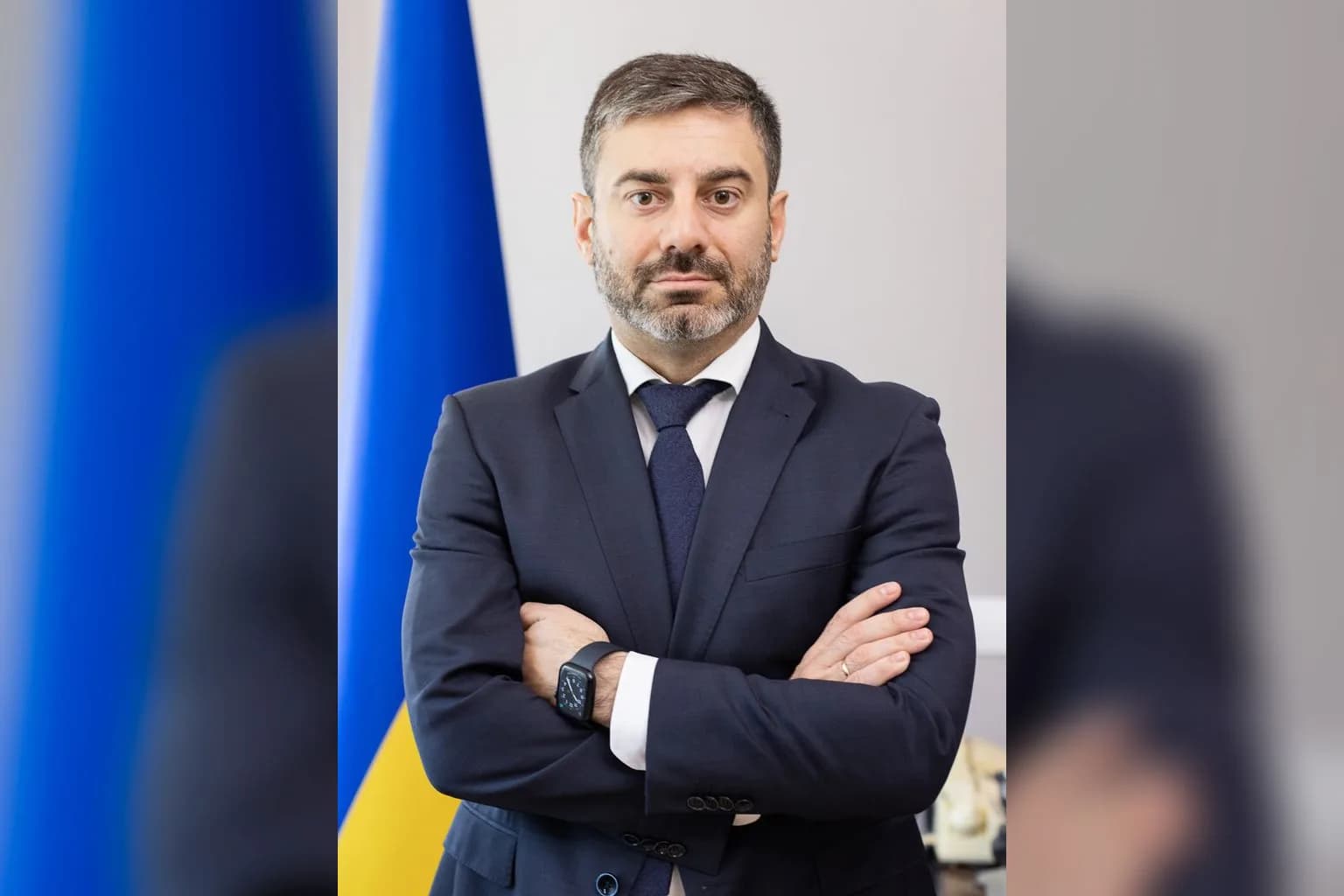
Dmytro Lubinets, Ukraine’s human rights commissioner, led the Ukrainian delegation that set off for Oleshky on 29 October. He later posted footage showing residents greeting the delegation in tears, and said people who wanted to travel to Ukraine or to the Russian Federation would be given that opportunity.
An aid convoy entered Oleshky on Friday carrying food and medical supplies. It included 25 buses, nine ambulances and buses for bedridden people. At least 50 Russian medical workers also arrived to support the operation.
Lubinets met his Russian counterpart, Yana Lantratova, overnight in Oleshky. Lantratova said groups of residents were boarding evacuation buses, with some seeking to go to Russia and others to Ukraine. She said the deliveries included food, hygiene products, medical supplies and fuel.
People who chose to remain in Oleshky received food, hygiene products, fuel for generators and other supplies. The relief effort was the first joint Russian-Ukrainian operation of its kind in four years and eight months of war.
Prime Minister Serhiy Koretskyi said residents travelling to Ukrainian-held territory would pass through Russia to Belarus before taking buses to the Kyiv and Chernihiv regions. Ukrainian delegation members and evacuees later travelled through Crimea to Anapa in Russia’s Krasnodar region, where evacuees were to be flown to Belarus on a plane supplied by Russia’s Ministry of Defence before continuing by bus.
The final number taking each route remains unclear. Koretskyi apologised after announcing that 527 residents would return to Ukrainian-held territory, saying the number could change.
Dmitry Peskov, the Kremlin spokesman, said on Friday that the Oleshky operation was an isolated case that should not be extended to the broader peace process in Ukraine.


Comments (0)