

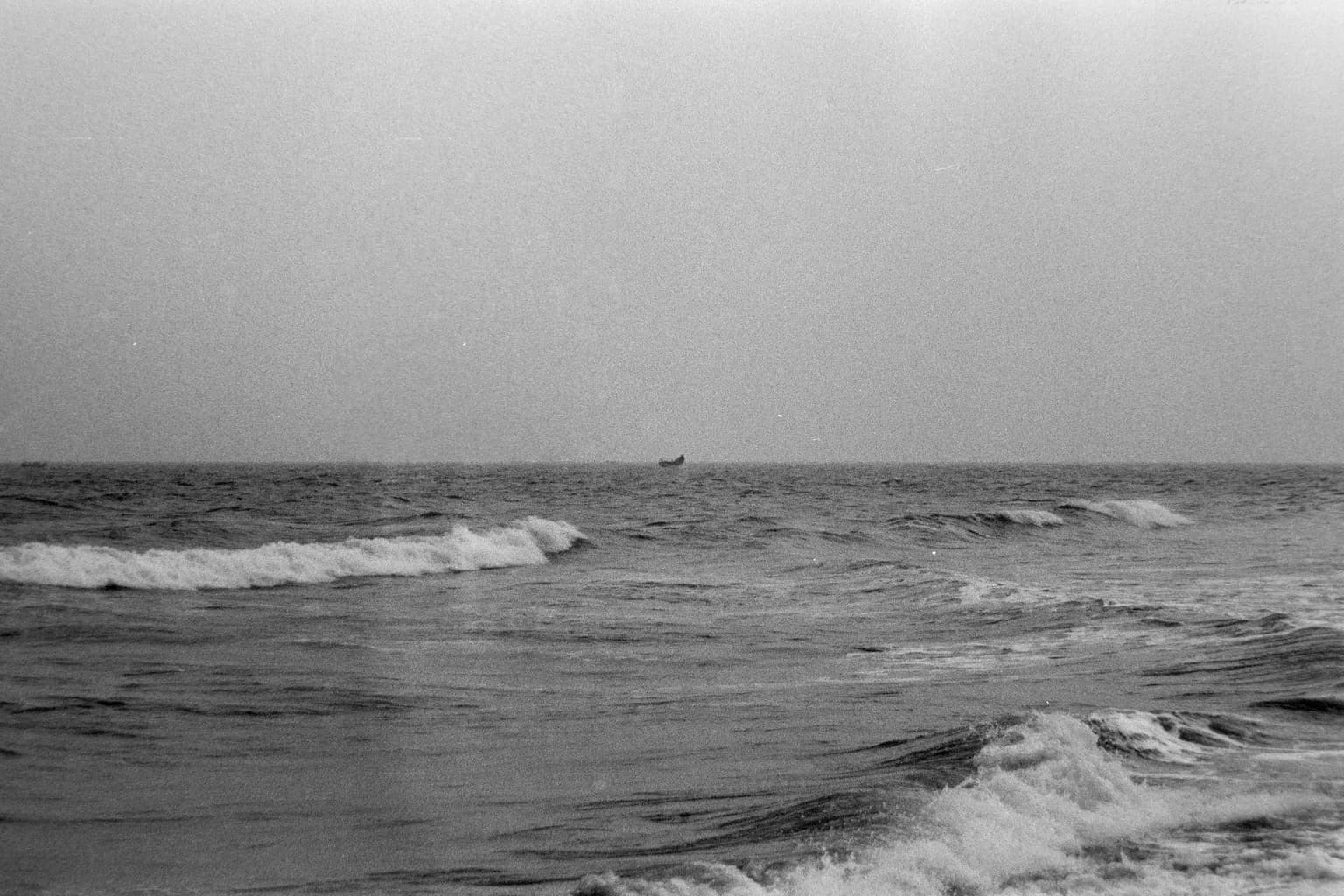
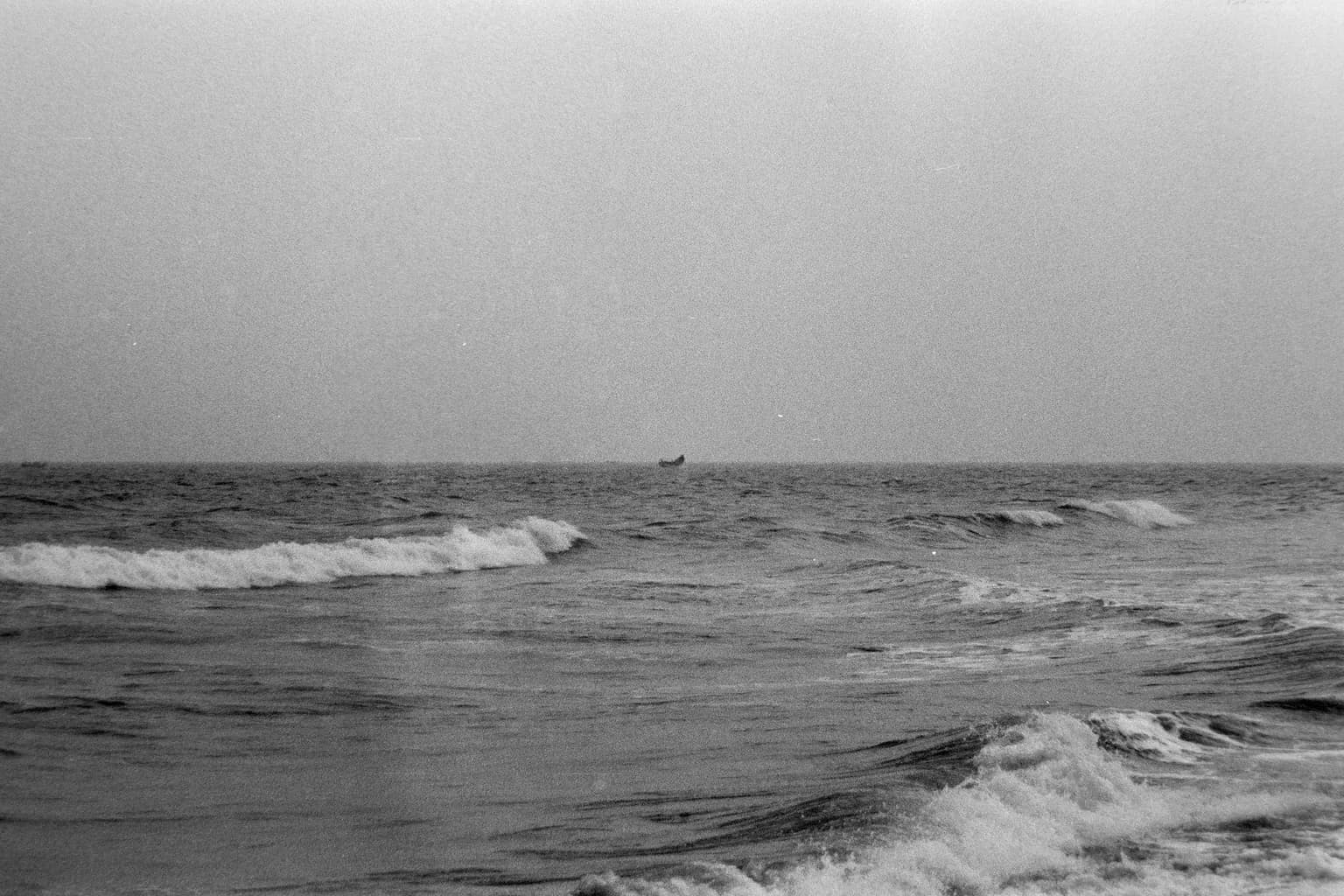
Residents of Bapatla and surrounding coastal areas faced evacuation, flooding and damage to homes, crops and power infrastructure as Cyclone Murasu struck Andhra Pradesh.
The cyclone intensified into a severe cyclonic storm over the Bay of Bengal, prompting Chief Minister N. Chandrababu Naidu to order officials to take precautions against loss of life and property, with Bapatla expected to face heavy floodwater inflows through irrigation canals.
As the storm approached, Naidu reviewed district preparations by video conference on Monday (November 2, 2026). Bapatla Collector Vinod Kumar V. attended and said the administration had drawn up a comprehensive plan involving every department.
Naidu said Bapatla was likely to bear the brunt because water was expected to arrive through canals from Guntur, Palnadu, Prakasam and Markapuram.
He told officials to inspect canal bunds, prepare for four days of heavy inflows, move people out of low-lying areas and set up rehabilitation centres.
He also ordered hourly cyclone warnings and the transfer of people in low-lying and flood-prone areas to cyclone shelters.
Officials had identified 74 vulnerable locations in Bapatla, including canals, roads and tank bunds where damage was possible.
A special officer was to be appointed for the district.
Authorities began evacuations on Monday and planned to move about 30,000 people to safety across Andhra Pradesh.
In Kothapatnam village in Prakasam district, about 400 families had left before the storm arrived.
Government, private and corporate schools, colleges and other educational institutions in Bapatla were closed on November 2 and 3 because extremely heavy rainfall was forecast, the Collector said.
Palnadu could receive around 30cm of rainfall, while Prakasam was forecast for 24cm and Markapuram for 19cm.
The areas expected to be among the worst affected included Palnadu, Prakasam, Markapuram, Bapatla, Guntur, NTR and Krishna districts.
Cyclone Murasu came ashore near Ongole in Prakasam district at about 1am on Tuesday, or 19:30 GMT on Monday, according to the India Meteorological Department.
It uprooted thousands of trees and damaged electricity poles and crops in coastal parts of Andhra Pradesh.
The Press Trust of India reported extensive damage in Prakasam and Bapatla, where thousands of trees were brought down, hundreds of power poles were damaged and fishing boats were wrecked.
Standing crops were hit and many areas were underwater after landfall.
Krishnamma, a fisherman from Kothapatnam in Prakasam district, said: 'This is the most dangerous cyclone we have witnessed in the last 14 years.'
Authorities had dispatched 31,000 poles from Srikakulam to Krishna following Cyclone Arnab.
Around 5,000 personnel were deployed for power restoration, with another 1,000 arriving from Chennai.
National and state disaster response teams were already on the ground.
Indian Home Minister Amit Shah said he had spoken to Naidu about the cyclone's impact.
Shah said: 'I assured him that the Central Government will provide all kinds of assistance and support.'
No deaths or injuries had been reported so far, according to Prakhar Jain, managing director of the Andhra Pradesh State Disaster Management Authority.




Comments (0)