

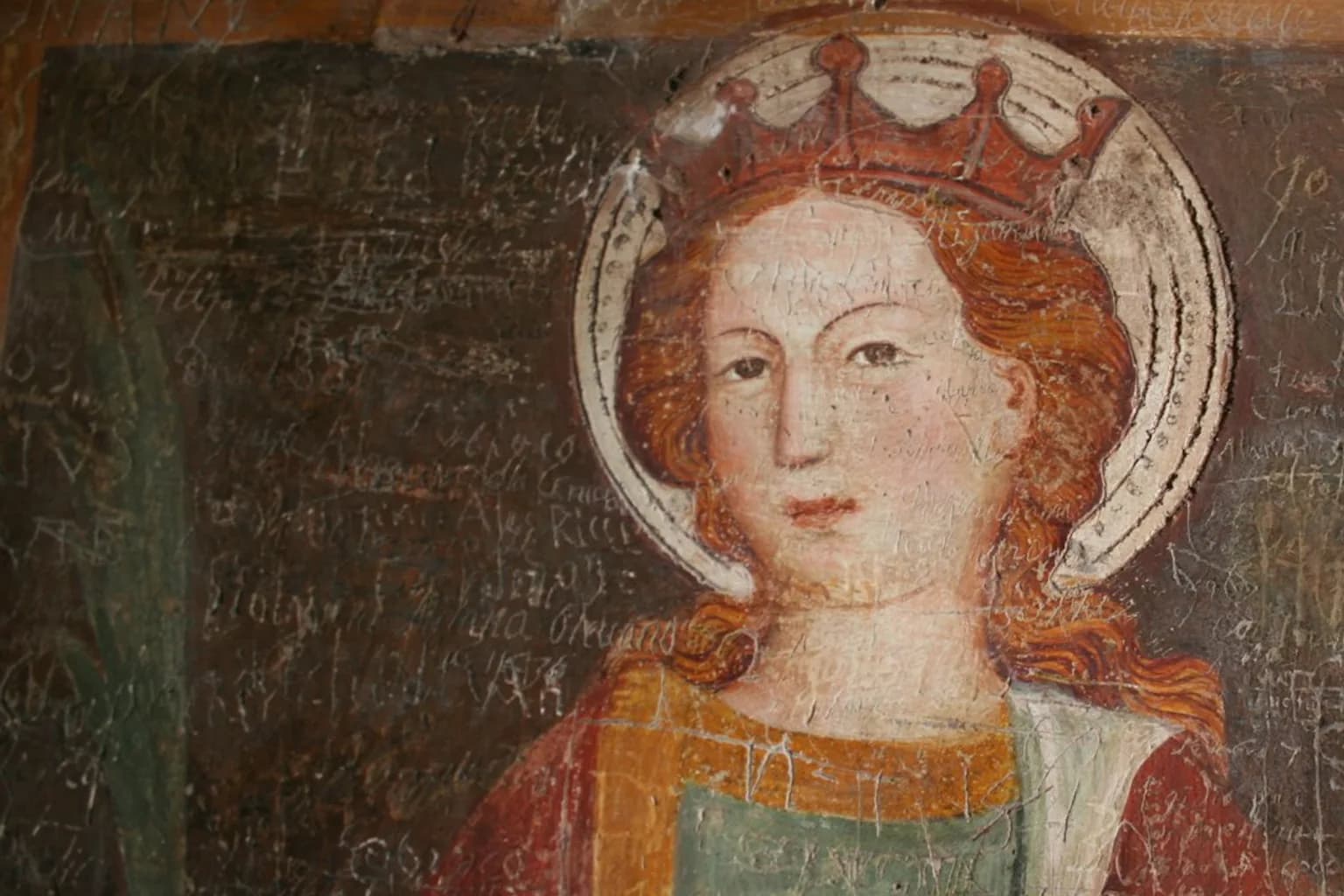
In 1567, Anthony Jenkinson carried Ivan the Terrible’s proposal of marriage to Elizabeth I. The Russian czar sought the hand of a queen who had become Europe’s most eligible woman after ascending the English throne in 1558. Elizabeth refused, saying parliamentary consent was required, and offered trade privileges in place of marriage.
The refusal set the terms of a relationship England was prepared to keep. Ivan pressed Elizabeth from 1567 for a military alliance, while she offered commerce. London wanted Russian hemp and timber, and did not want Russia as an equal ally.
Elizabeth’s unmarried status gave her room to make that distinction. The Tudor queen remained unmarried throughout her nearly 45-year reign and said that a husband would make her “but Queen of England”. Marriage negotiations and the question of an heir became central to domestic and foreign policy. For nearly five decades, she kept her suitors waiting and set them against one another, turning courtship into an instrument of diplomacy and her single status into a means of protecting England’s position in European politics.
England’s connection with Russia predated Ivan’s proposal. It began in 1553, when Richard Chancellor reached the court of Ivan IV in Moscow. Ivan and Elizabeth began corresponding in 1562, and he sent her 11 letters in all. Their courts exchanged letters from Moscow and England for more than two decades.
Ivan sent gifts and threats in equal measure to Elizabeth’s court. He was described as mercurial, fond of torture and ready to blame others for his own poor decisions. Before the hostile letter he sent in October 1570, he had purged and murdered his most capable foreign ministers.
By October 1570, the czar’s anger was explicit. He called Elizabeth a “vulgar maiden”, criticised her dependence on merchants and what he saw as her lack of independent power, then ended his letter: “I spit on you and your palace”.
His pressure continued. In a 1574 letter, Ivan wrote: “If you wish for more amity and friendship from us, ponder upon that subject and do that business by which you may increase our amity toward you.”
The correspondence continued until Ivan’s death in 1584. England and Russia nevertheless maintained their trade relationship through the failed courtship. Sophie Shorland’s new book, “All the Queen's Men: Power, Ambition, and the Making of Elizabeth I”, recounts the Russian ruler’s unsuccessful pursuit of the Tudor queen.




Comments (0)