

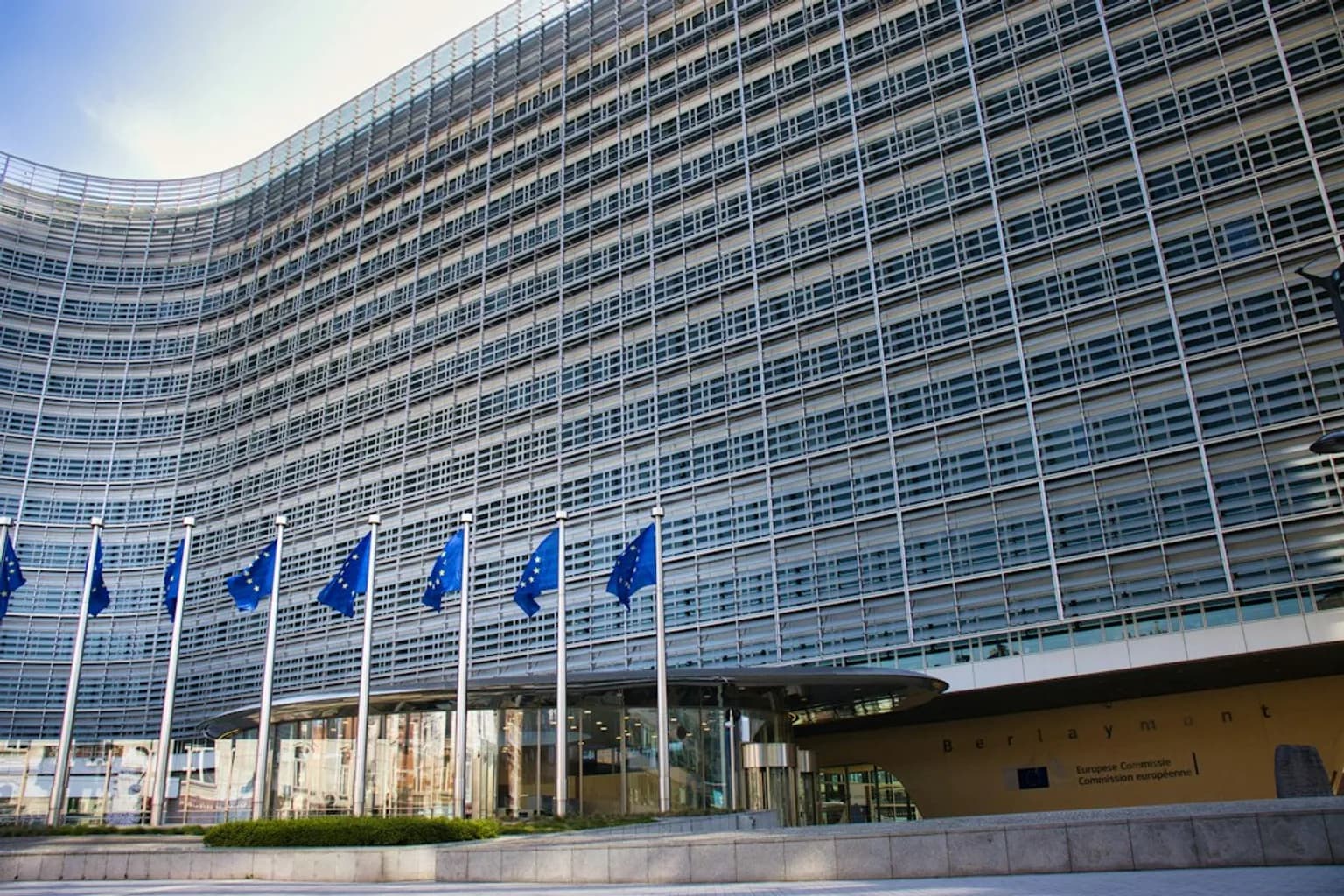
The European Commission has proposed setting aside the question of university tuition fees for EU students in the UK until after the leaders’ summit on 20 November. The plan, put to EU ambassadors in Brussels on Wednesday, would ask the UK to commit to reaching an agreement on fees within six months of the meeting.
Commission officials believe a deferral would give the planned “reset” summit a better chance of success. They have proposed technical talks on fees in the six months after 20 November rather than allowing the disagreement to derail the leaders’ meeting.
An EU diplomat described the proposal as “this is a gesture towards the United Kingdom, which will allow them to maintain positive momentum”.
The dispute centres on the fees paid by EU students at British universities. The EU wants them to pay domestic tuition rates, as they did before Brexit. The UK has told EU ambassadors it wants to retain international fees, alongside quotas and an NHS surcharge for EU students.
For some students, the difference is substantial. International fees at Oxford can reach £69,190 a year.
The Commission’s proposal has support among some representatives. One diplomat said an “emerging consensus” had formed at Wednesday’s meeting around removing tuition fees from the package altogether.
France is arguing for an “all or nothing” approach, with all three topics remaining on the table. A second diplomat said the EU’s 27 member states had yet to reach consensus on postponing the tuition-fee question until after the summit.
The issue remains tied to a wider package of three agreements due for the summit. Those agreements would only enter into force once there was agreement across every area.
A postponement could allow agreements on agri-food trade, emissions trading and a youth experience scheme to proceed.
The youth scheme remains a central point of contention. The UK is seeking a cap of about 50,000 a year on EU citizens entering the country for work, travel or study through youth experience scheme visas.
Some EU member states want a cap as high as 500,000, while others want no cap. The UK also insists that holders of these visas pay the £1,035 NHS surcharge.
Senior EU sources say Brussels still retains leverage over tuition fees because the SPS and ETS agreements will not take effect unless there is a youth mobility agreement acceptable to the European side.
The negotiations also reach into the finances of British universities. Institutions outside the elite Russell Group have told the UK government that they cannot afford to reduce fees for EU citizens.
EU undergraduate enrolment in Britain fell from 106,515 in 2020-21 to 37,710 in 2024-25, reflecting the post-Brexit move to international fees and the loss of students to other destinations.
Meanwhile, the Office for Students estimated that 45% of English universities would run deficits in 2025-26.



Comments (0)