

Iran’s Islamic Revolutionary Guard Corps said on Friday that it had destroyed a US early-warning radar in Bahrain. US Central Command, which said it intercepted the attack, reported shooting down two Iranian drones and said there were no injuries or damage.
The claimed target was a radar system designed to detect threats at long distance. The two sides’ accounts leave the condition of the installation unclear.
The Guard said it acted in response to what it described as a US air attack on a telecommunications tower in Sirik, in Iran’s Hormozgan province, on Thursday. Iran’s state news agency IRNA reported that Sirik, a port city overlooking the Strait of Hormuz, was hit by “enemy fire”.
The Guard called the drone strike a “serious warning” to the “aggressor enemy”, and said aerial provocations and oil smuggling in the Strait of Hormuz should stop. It added: “Should these violations and acts of aggression recur, the IRGC Aerospace Force stands in full readiness to engage without limits.”
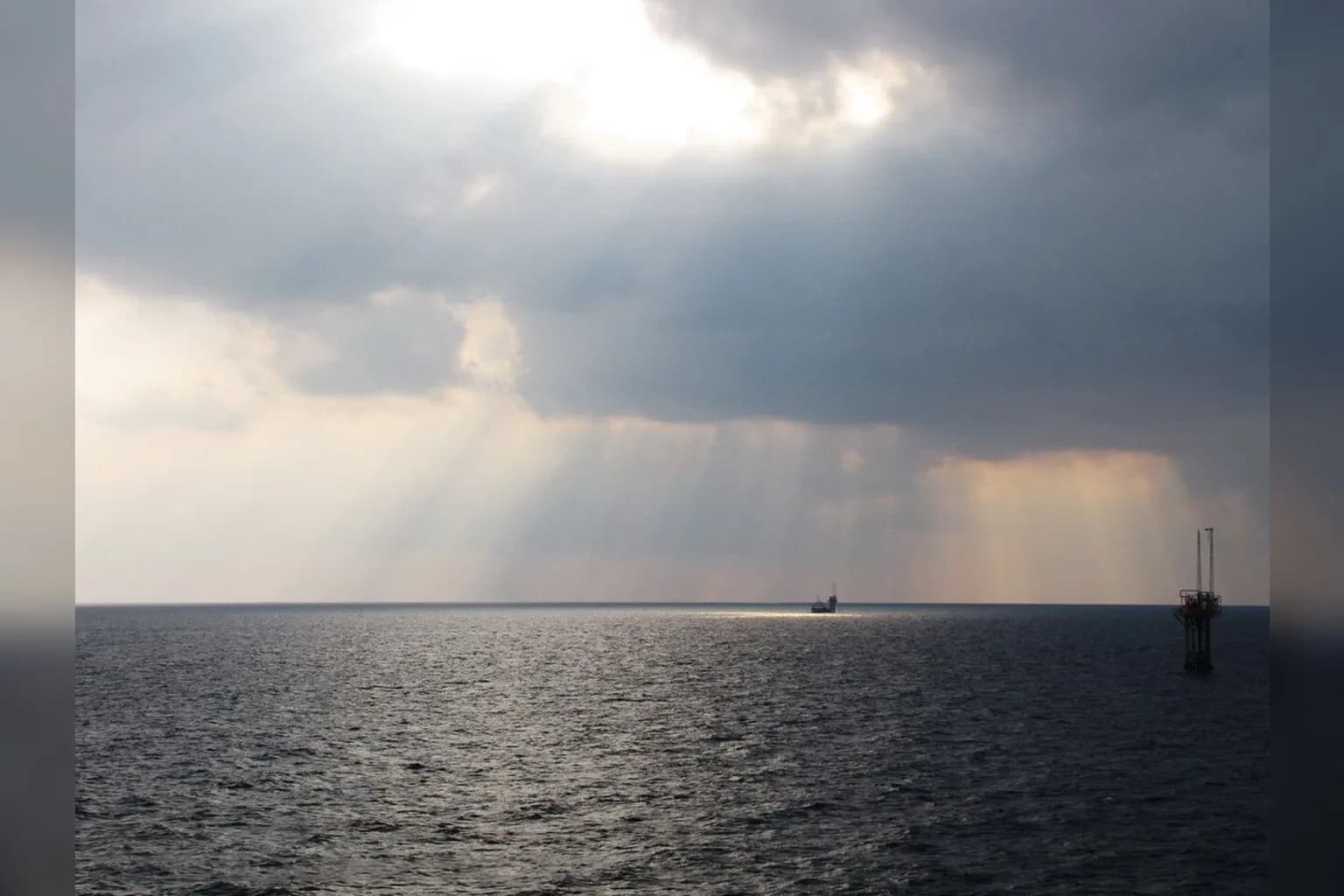
The Strait of Hormuz carries 20 percent of the world’s oil and liquefied gas in peacetime. Friday’s incident was Iran’s first claimed direct attack on US military assets in the Gulf since early September.
The war began on February 28 with US and Israeli attacks on Iran. It is now at a standstill, without major military operations or advances in peace negotiations. A Pentagon inspector general’s report released in September found that Iranian attacks had damaged or destroyed hundreds of buildings at US installations in eight countries, including Bahrain, during the war’s first four months.
Donald Trump, the US president, has said he is prepared to return to war if a diplomatic track offered by Qatar does not deliver a deal. Trump also claimed that Gulf countries, including Saudi Arabia, had urged him to hold back from planned large-scale military strikes.
Marco Rubio, the US secretary of state, said economic pressure on Iran was working well enough that resuming large-scale military operations was unnecessary. Mohsen Rezaei, Iran’s security chief, warned that any military base involved in another US war against Iran, from West Asia to Europe, would be a legitimate target for Iranian strikes.
Mohammad Bagher Ghalibaf, Iran’s parliament speaker and lead negotiator, told Al Jazeera on Wednesday that the Strait of Hormuz would never return to how it was before the war.


Comments (0)