

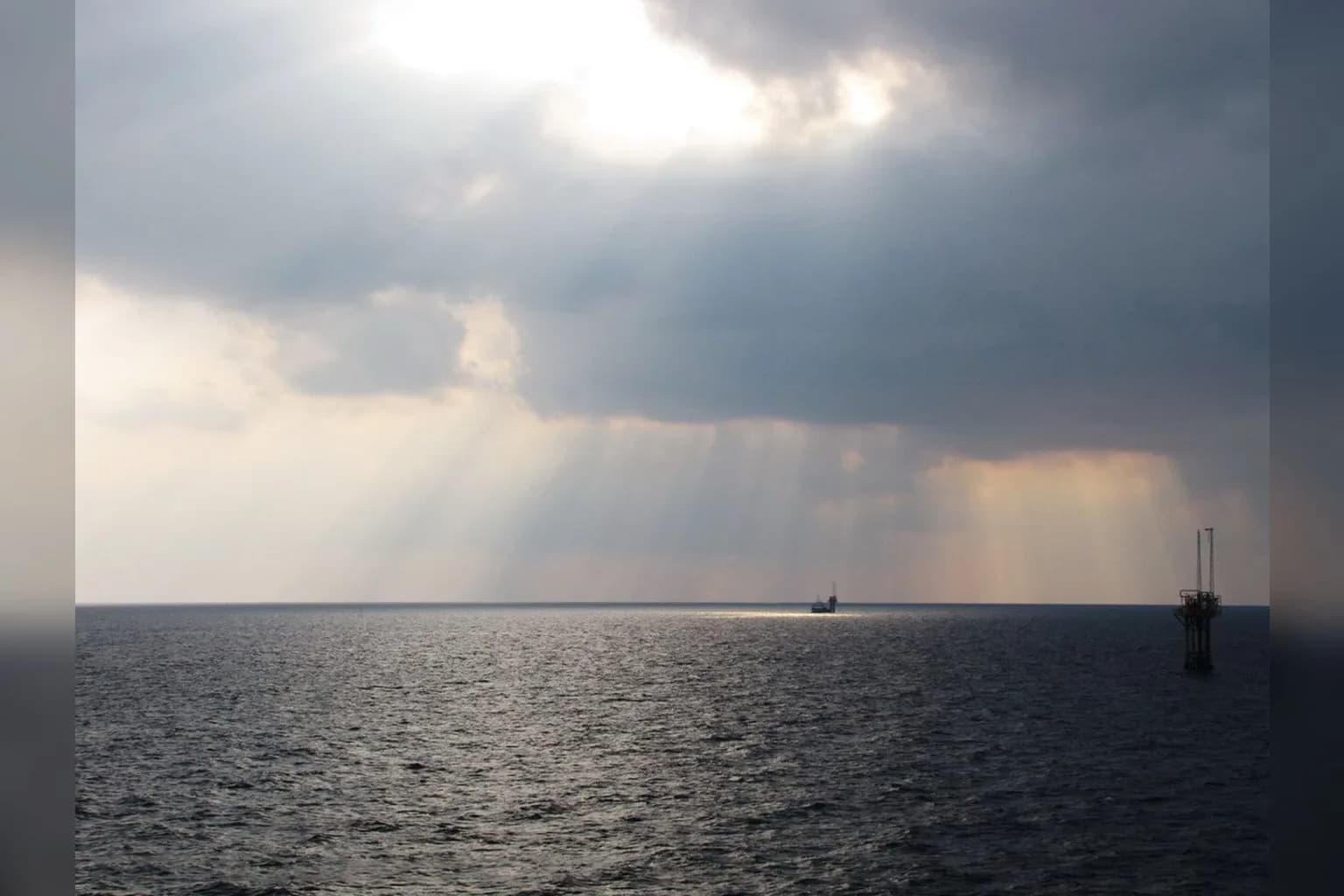
The flow of 20 million barrels of oil a day and 112 billion cubic metres of gas annually through the Strait of Hormuz, as well as the safety of merchant shipping there, remain at stake as Iran sets conditions for reopening the waterway.
The offer follows a Middle East war that began in late February, after which the US and Israel launched strikes against Iran on 28 February. Iran has since claimed control over the strait and regularly targeted vessels it says tried to pass without its authorisation.
Iran said Monday that it could reopen the Strait of Hormuz within two days if Washington met its demands. An official briefed on talks mediated by Qatar said a draft proposal to end the war was circulating.
Kazem Gharibabadi, Iran’s deputy foreign minister, travelled to Doha to facilitate exchanges with Washington through Qatari intermediaries. Iranian negotiators left Doha earlier Sunday.
Tehran wants the Middle East war ended on all fronts, Iranian assets abroad unfrozen, sanctions on its oil sector lifted and the US naval blockade ended.
In an Al Jazeera interview, Foreign Minister Abbas Araghchi set out further requirements. He said Washington must accept a new transit route through the strait agreed by Iran and Oman, remove sanctions imposed in recent months and reduce US troop numbers in the region.
The strait lies between Iran and Oman’s Musandam Peninsula. At its narrowest point, it is nearly 54 kilometres across, with two shipping lanes 3.7 km wide separated by a buffer zone.
Before the war, the strait carried about a fifth of global oil and liquefied natural gas trade.
The negotiations draw on a seven-step plan Iran put forward in September to reopen Hormuz and end the US naval blockade on Iran. That proposal envisaged a seven-day process, with the strait reopening on the sixth day after the United States met Iranian demands.
President Donald Trump rejected the initial proposal. He also said he still had to take care of one or two targets, including Pickaxe Mountain in central Iran, a suspected nuclear site.
Since August, the United States has imposed a new round of sanctions as part of what it called the economic asphyxiation of Iran.
Esmaeil Baghaei, the Iranian Foreign Ministry spokesperson, portrayed the shorter timetable as a sign of Tehran’s intent. “The possibility of implementing this plan in two days is another indication of Iran's good-faith approach,” he said.
Baghaei also warned: “Any act of aggression against Iran, any military attack against Iran, by whatever means, will be met with a powerful, immediate and comprehensive response from us.”
Mohsen Rezaei, secretary of Iran’s Supreme National Security Council, said the US would have to meet Iran’s conditions before talks could begin. He said he had received a letter from US Vice President JD Vance and had yet to reply.
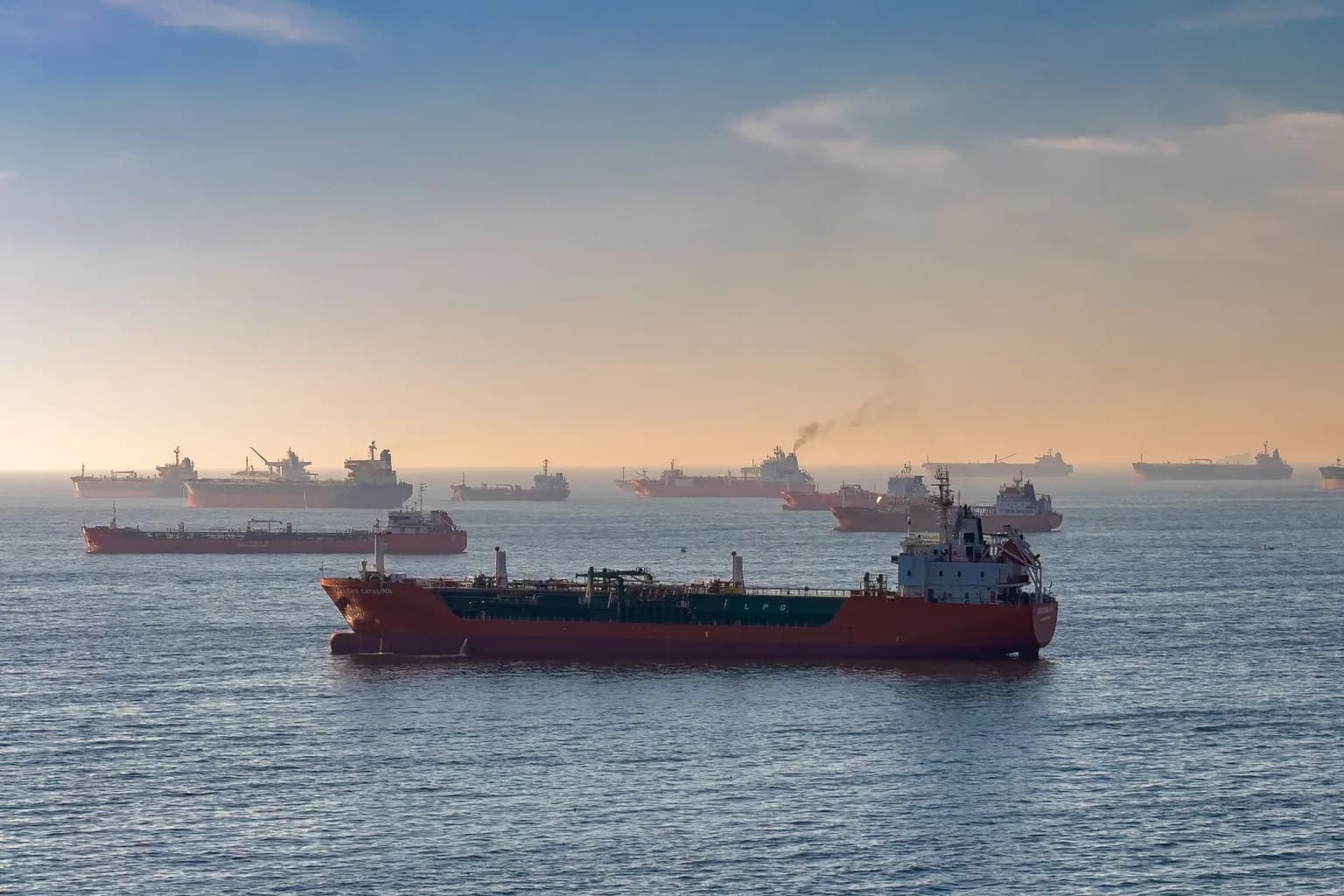
Meanwhile, Iran has deployed new tactics against ships sailing through the strait. The change began about 10 days ago and included a different type and pace of attacks against vessels, with one aim to influence the outcome of the US midterm elections. Iran also seeks to keep oil prices high.
The Islamic Revolutionary Guard Corps has begun using unarmed spotters in small boats to identify potential targets, including US naval vessels. In one unreported incident, Iranian spotters operating from a dhow called in targets before US forces destroyed the vessel.
There have been at least five incidents involving tankers and other commercial ships around the Hormuz area in the past 48 hours, including drone strikes.
One Iranian official told Reuters: “Just when they think they are getting close to the point where prices will fall, we will push them away from it. This is a game of chess.”
The US Navy-led Joint Maritime Information Center said the threat to merchant shipping in the Strait of Hormuz remained severe, the second-highest level.


Comments (0)