

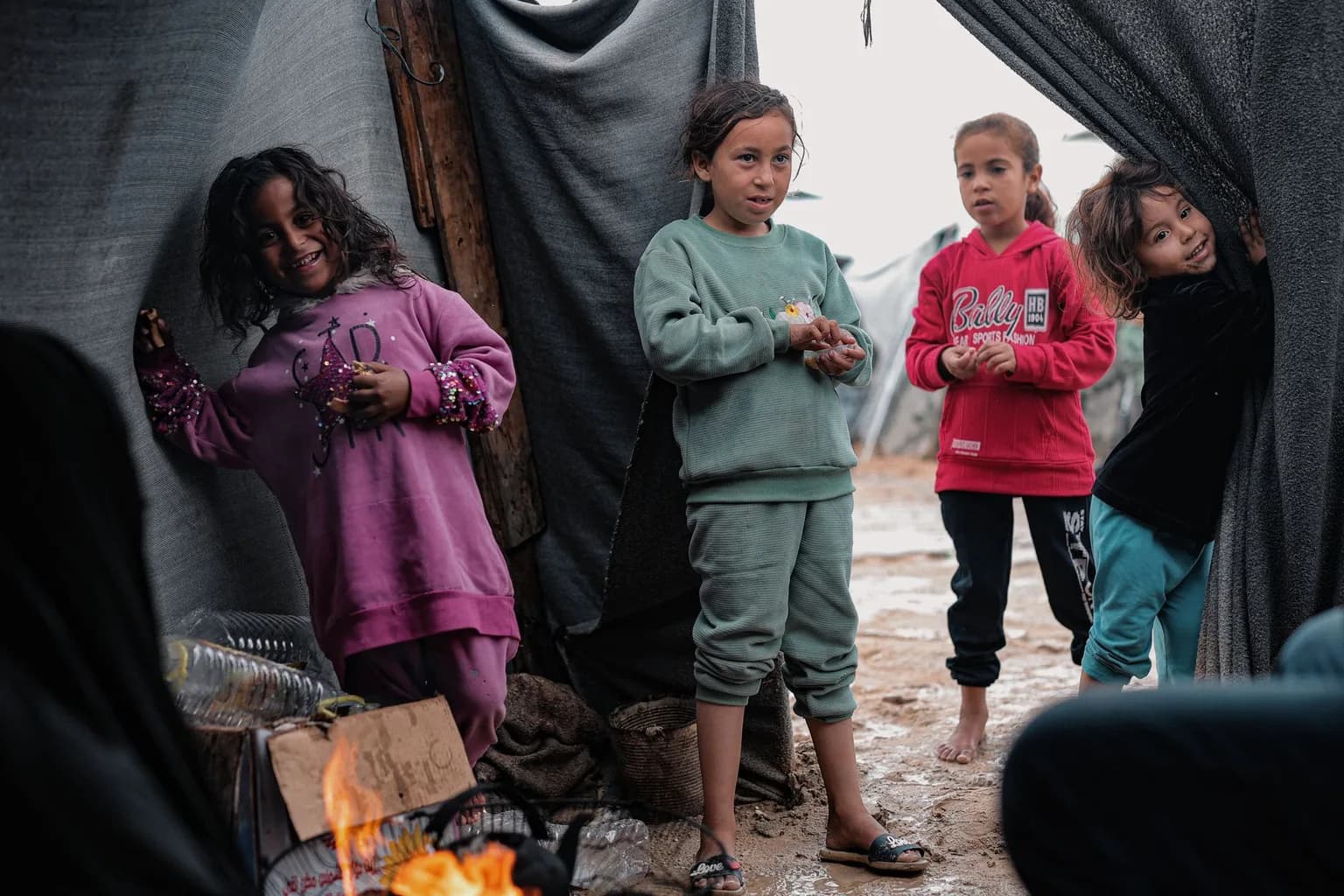
Mona Shehadeh, a 37-year-old Gaza resident whose family has been displaced about 20 times during the war, fled to a tent that had been used as a makeshift school. On Thursday, Israel's military said it had completed a ground operation in central Gaza that began the day before.
“The war has neither finished nor ended, and no truce has come... It is all lies,” Shehadeh said.
Umm Mohammed Badawi, a Nuseirat resident, returned after the Israeli military withdrew to retrieve belongings. Other residents returned to check what had happened to their homes and possessions after the operation.
Residents had been ordered to evacuate on Wednesday as tanks moved into an area east of the Nuseirat refugee camp. The Israeli military said troops and intelligence personnel had begun what it called 'a targeted operational activity' to dismantle a tunnel west of the Yellow Line, which it said threatened its troops.
The Yellow Line separates areas controlled by Israel's military from areas controlled by Hamas under the ceasefire that took effect in October 2025. The raid was the first time Israeli troops had publicly announced an operation deep beyond that boundary since the ceasefire began.
Tanks and bulldozers advanced towards the Salah al-Din road, Gaza's main north-south route, east of Nuseirat and north of the Bureij refugee camp. Witnesses reported heavy shelling, gunfire and airstrikes. AFP footage from northeast of Nuseirat showed deep tracks in the ground and earthen barriers across the road.
The Hamas-run Gaza government media office said around 6,000 people left the area on Wednesday.
On Thursday morning, Palestinians were told that “the activity has ended, and the Salah al-Din axis has been reopened”. They were also told they could again move through targeted areas near the Al-Bureij and Nuseirat refugee camps.
Hamas called the raid a flagrant violation of the ceasefire and a dangerous escalation. Israel's military said the incursion responded to Hamas ceasefire violations in the area.
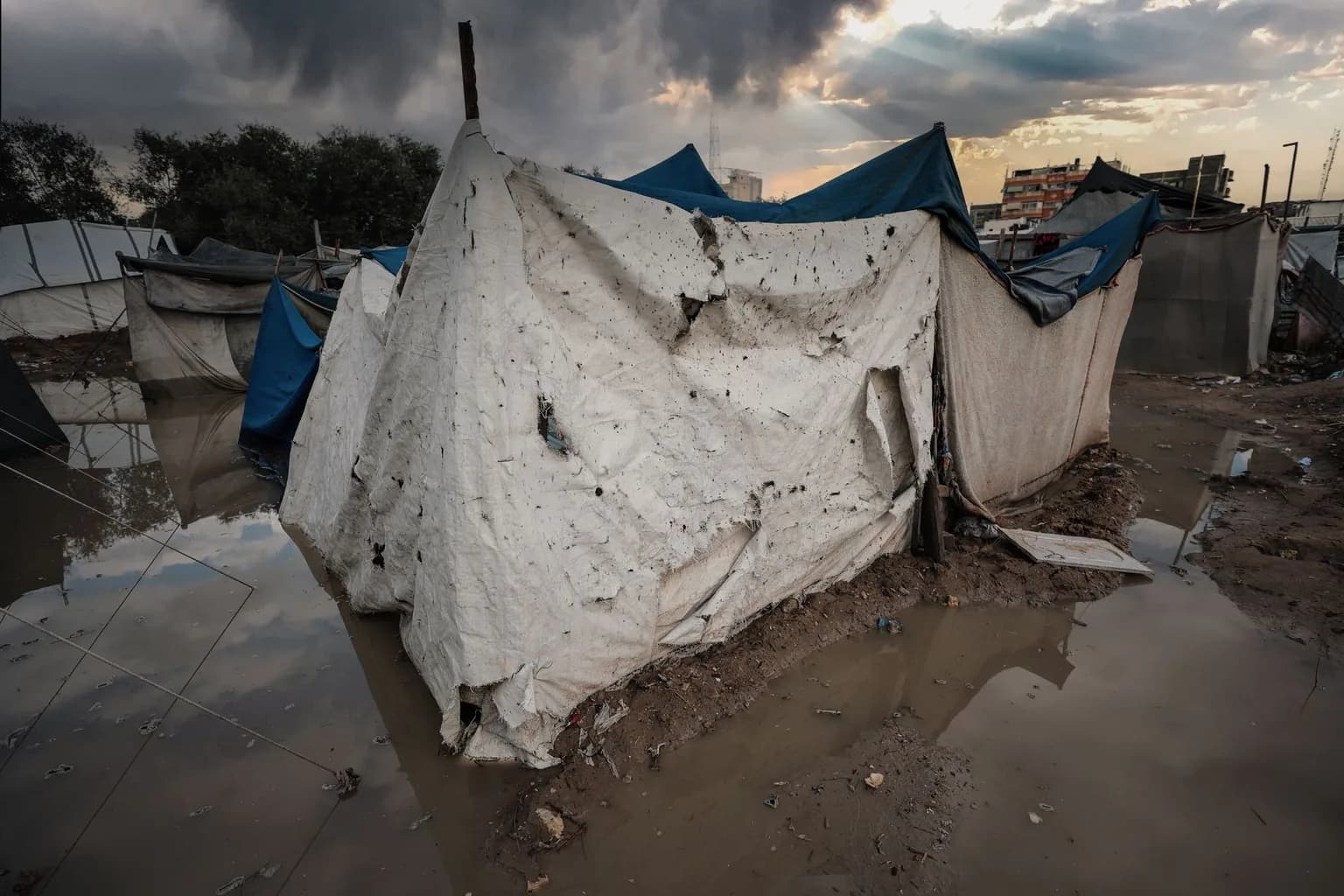
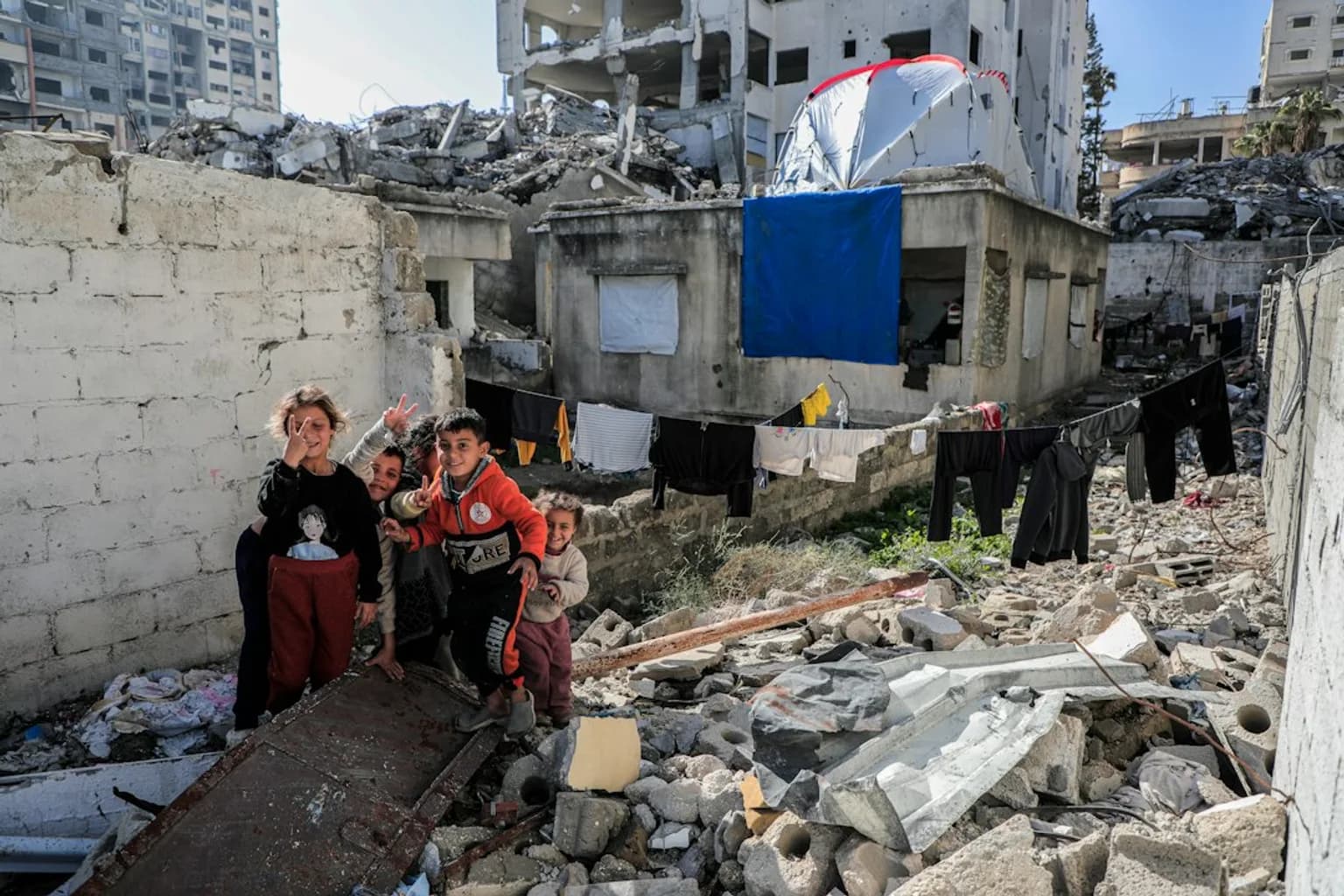
The operation came as Israel's military control has expanded beyond the ceasefire's initial terms. Israel remained in 53 percent of Gaza under those terms and now controls more than 60 percent of the territory. The UN's humanitarian agency says 1.4 million people live in tents or makeshift shelters, while nearly all of Gaza's more than 2 million residents are confined to around a third of the coastal territory.
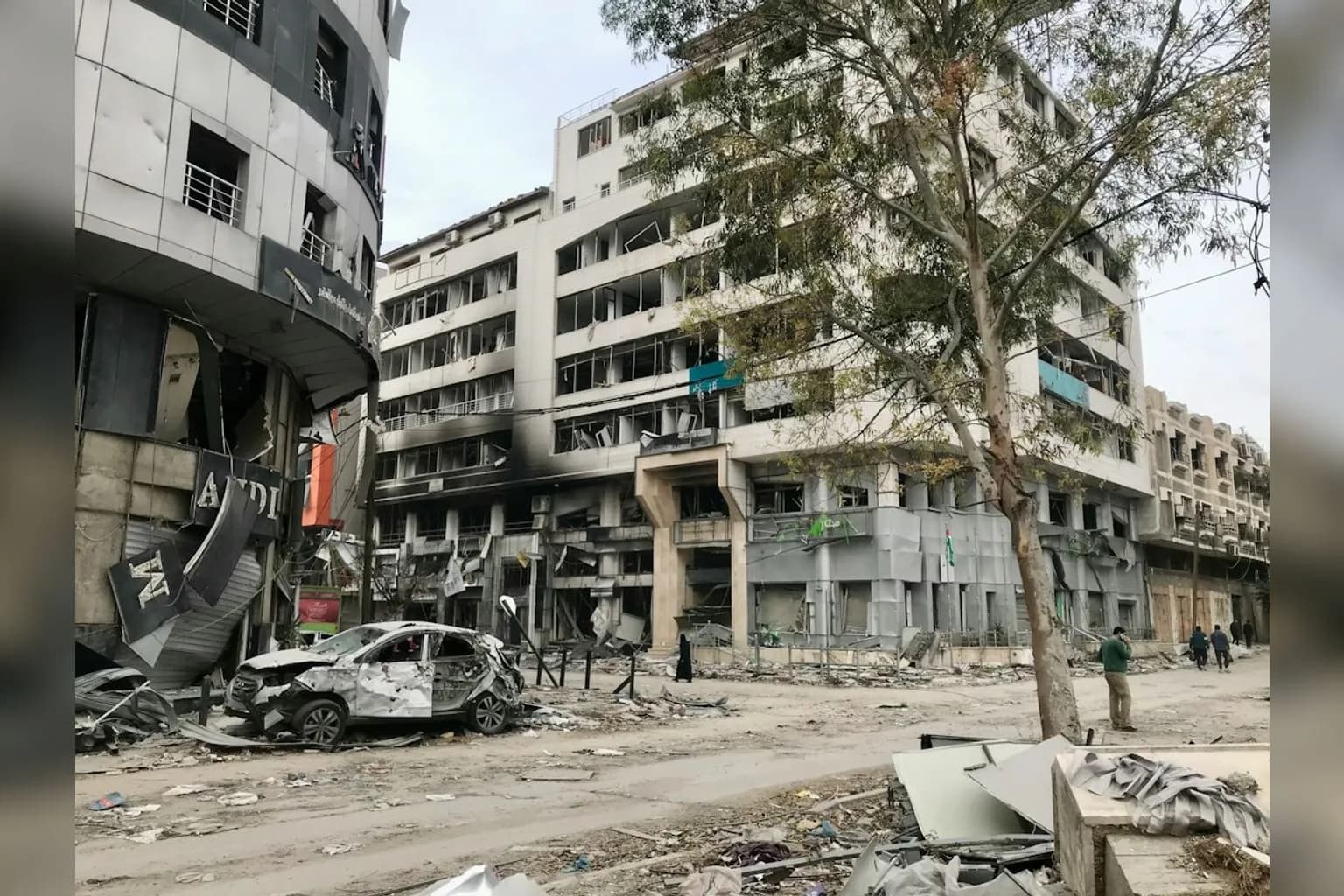
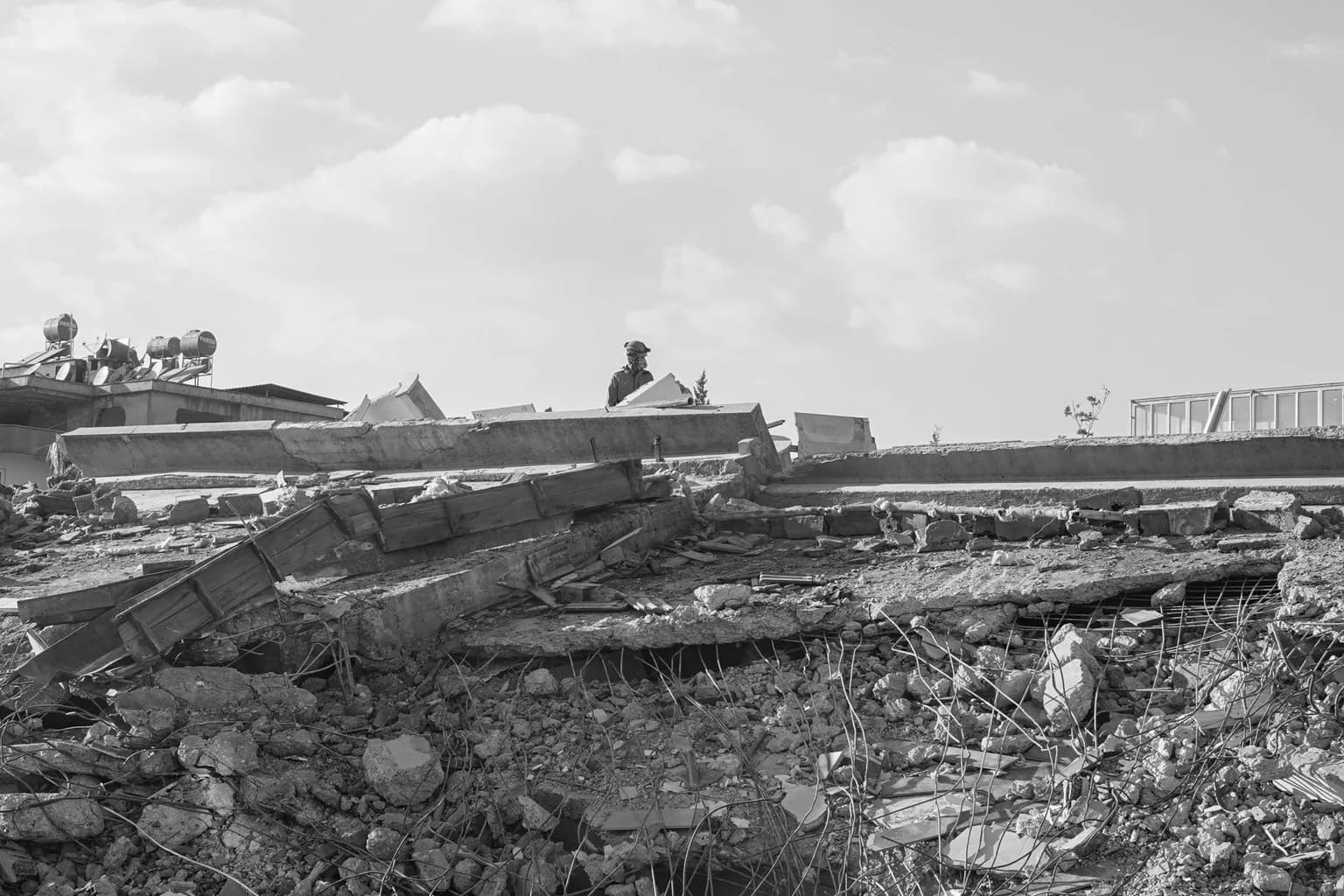
An estimated 82 percent of Gaza's structures have been destroyed or damaged during the war. About 100,000 tents are waiting to enter Gaza, held up by crossing closures and lengthy Israeli security checks, according to the International Organization for Migration.

Comments (0)