

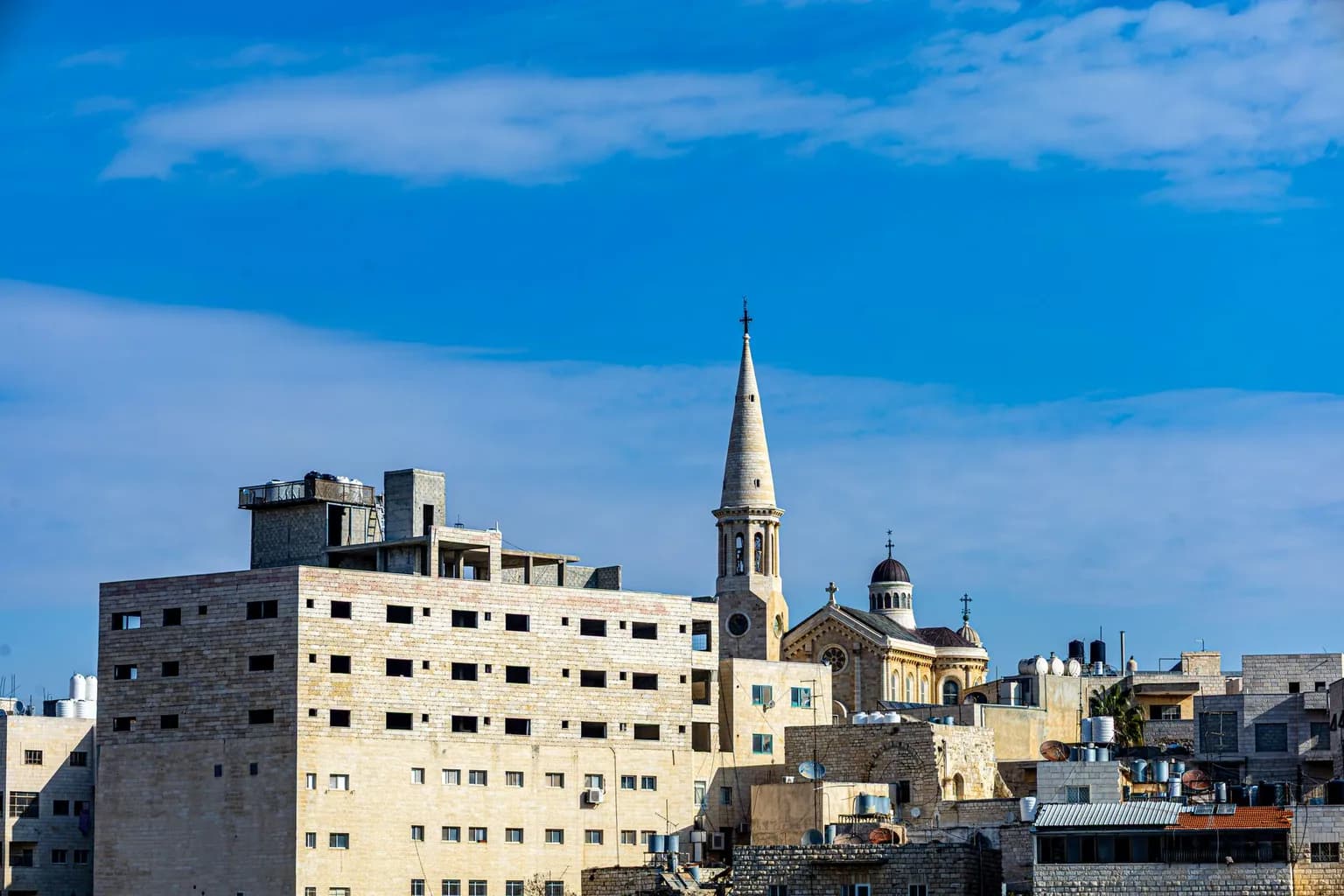
More than 3,000 people were displaced from a Hebron neighbourhood after an Israeli military operation that followed the killing of two soldiers at a checkpoint near the city.
The Israeli operation began after two Palestinian gunmen opened fire at the Yehuda Junction checkpoint on the edge of Hebron on 23 October, killing two soldiers before the gunmen were shot dead in a firefight, the military said.
The attackers were identified as Hebron residents Mohammad Jaaba and Firas Jaaba. The shooting lasted approximately 20 minutes and wounded three other troops.
The soldiers killed were Staff Sgt. Ron Yonatan Roytman, who served with the Home Front Command's Ari Battalion, and Sgt. Yuval Shai Svilem.
Prime Minister Benjamin Netanyahu called for a major retaliatory operation after the attack. By the following morning, the military had cleared residents from the neighbourhood where the two gunmen lived.
During the operation, Muhannad al-Tamimi said soldiers entered his home while he was asleep and blew up its door. “On the morning of the operation, I was sleeping in my home. The army stormed my house and blew up the door.”
Al-Tamimi accused the soldiers of assaulting him, putting a gun to his wife’s head, terrifying his children, kicking his little daughter, and stealing gold and money.
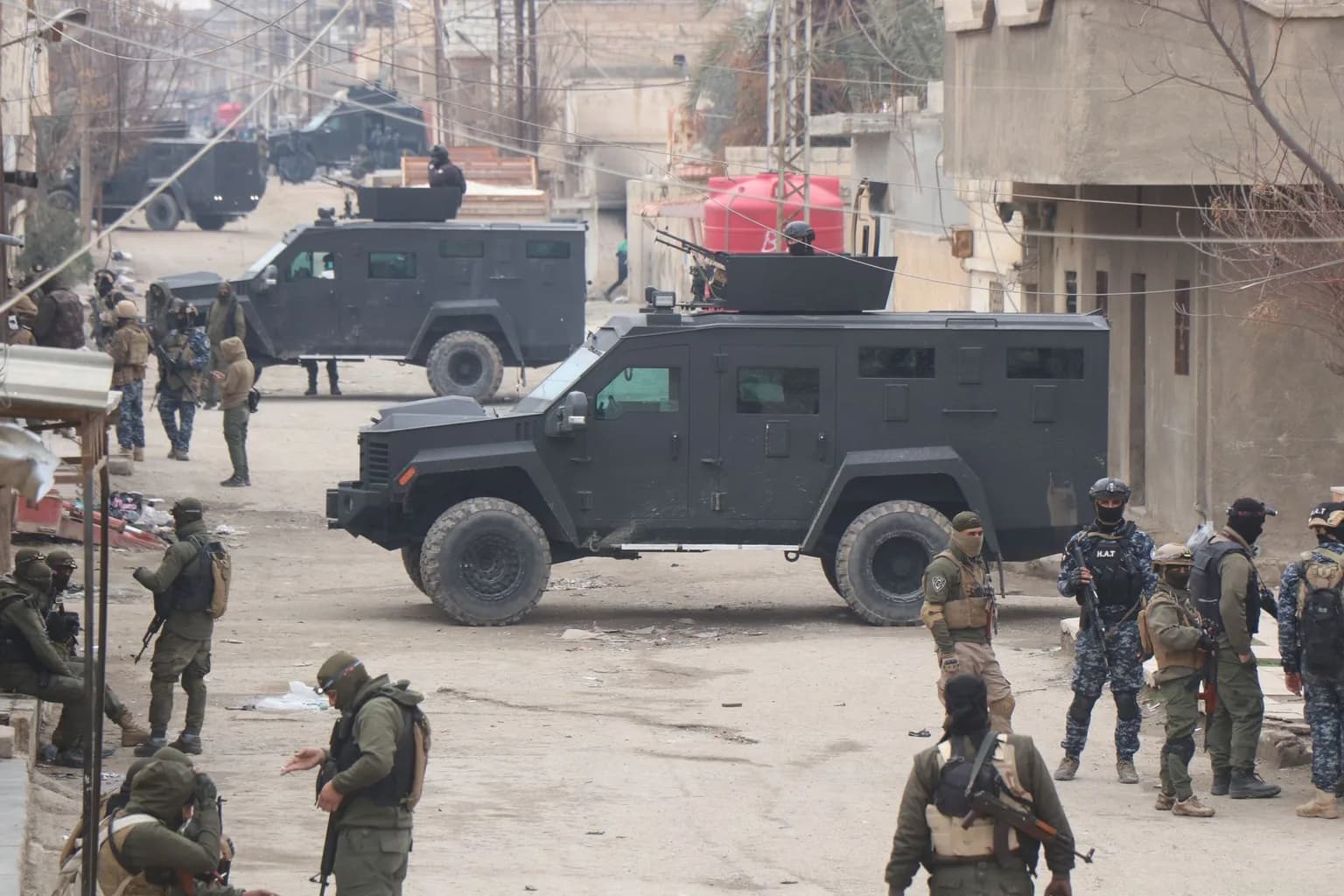
Over 10 days, the military searched hundreds of locations, detained and questioned dozens of suspects, and seized 4 weapons and additional military equipment. It demolished the homes of the two gunmen, destroyed illegally built structures near the checkpoint, and sealed an underground space next to one attacker’s home.
Palestinian authorities put the number of displaced residents at some 3,300 and estimated the economic damage at millions of shekels.
Lt. Gen. Eyal Zamir, the Israel Defense Forces chief of staff, reportedly urged Netanyahu to end the raid two days after it began. Zamir told the prime minister there was no operational reason to continue and no legal rationale for keeping Palestinians from returning home, but Netanyahu rejected the recommendation.
Senior Israel Defense Forces officials also sought to end the operation last week before elections, according to reports, while political leaders opposed doing so then. Military sources reportedly believed the decision to continue was influenced by political considerations around the election timetable.
On Monday, the Israeli military announced the end of its 10-day operation in Hebron, in the southern West Bank. An Israeli military official said: “This morning, following the completion of all operational activities, the soldiers withdrew from the area of operation in Hebron.”
AFP journalists saw residents returning after the troops left, with many homes in disarray after searches. Many buildings bore black X marks indicating they had been cleared and searched.




Comments (0)