

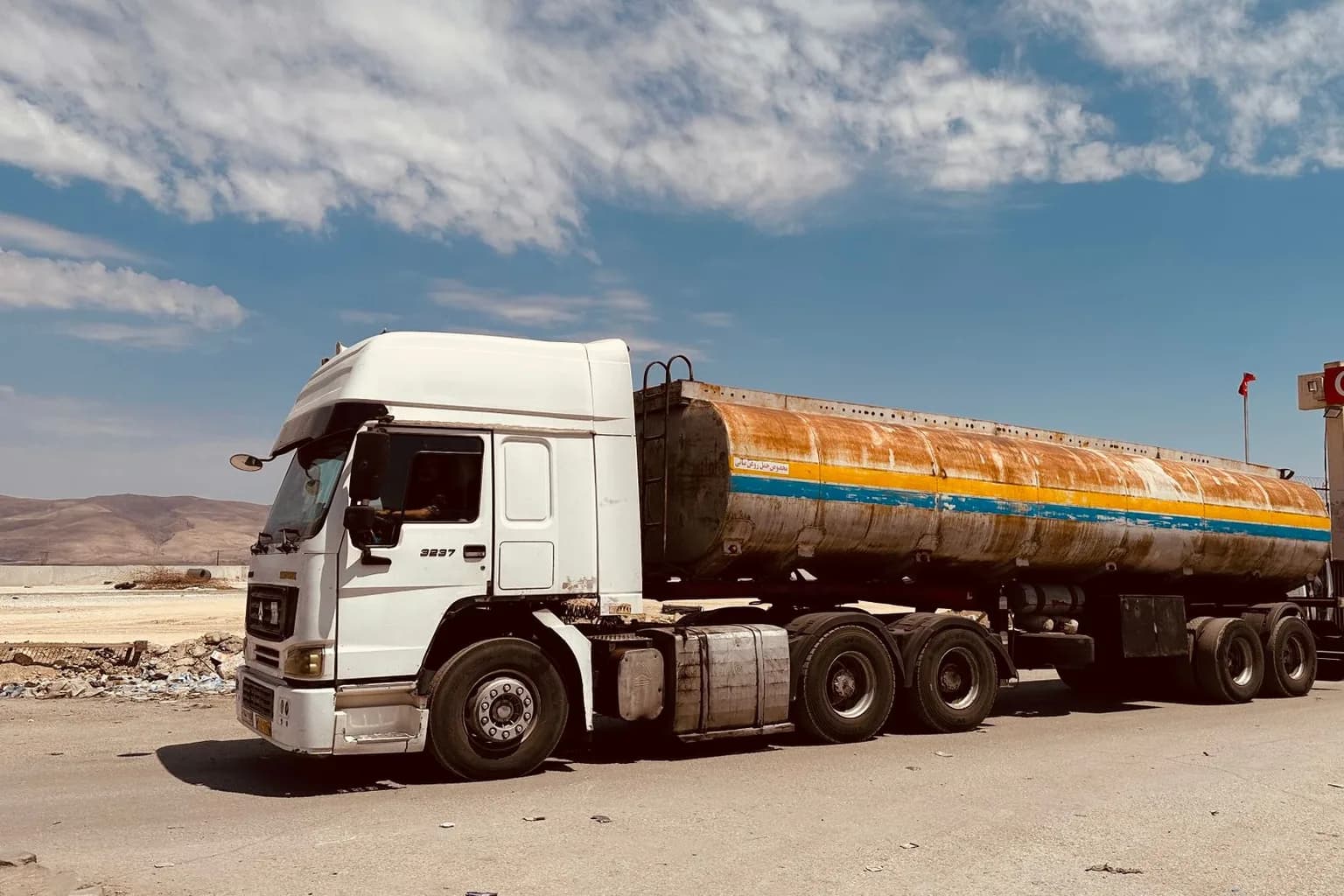
When commercial trucks stopped arriving from Israel, Nahed Shhaibar, who heads Gaza’s private transport union, said that no truck carrying commercial products had entered the territory on Thursday. He said around 300 trucks usually enter Gaza each day, with two thirds carrying commercial goods.
Israeli authorities said no commercial goods had entered Gaza for two days by Thursday. The halted shipments included fruit and winter clothing.
Israel said on Monday that it would again allow commercial goods into Gaza after the days-long stoppage. COGAT, the Israeli military agency overseeing humanitarian affairs in Gaza, made the decision to resume the shipments.
The dispute centred on Hamas demands that merchants pay 10,000 shekels ($3,225) for each truck entering Gaza and conduct 30% of all sales in cash. Gazan merchants told COGAT they would stop coordinating on commercial goods entry in response to the per-truck fee. COGAT then announced the suspension of commercial shipments on Wednesday.
Merchants said Hamas authorities had withdrawn the demand for 10,000 shekels per truck. Hamas described the fee as a voluntary contribution from better-off Gazans to a national fund for people in need. Khaled Al-Raqab, a Ministry Undersecretary, told the union that the payment was a donation intended to help pay civil servants.
COGAT said the accounts given by merchants had not been independently verified. It said shipments would return gradually, with essential goods taking priority ahead of winter.
The agency said it would require all payments to be made and received through documented bank transfers. Merchants found to have paid Hamas would be excluded from the system, COGAT said.
COGAT said the merchants’ decision would reduce the overall daily number of trucks entering Gaza to around 300, or half. Israel is required under a US-mediated agreement to allow at least 600 trucks carrying humanitarian aid into Gaza each day.
Aid groups bring in staples including flour, while private merchants import perishable food such as fruit and meat. Around 2 million Gazans live in the territory, most in makeshift shelters. Most remain dependent on aid after three years of war, repeated displacement and severe restrictions on aid deliveries.
A global hunger monitor warned in July that more than two thirds of Gazans could face acute hunger by the year-end. A US-brokered ceasefire last year stopped the heaviest fighting, though Israeli attacks have continued.




Comments (0)