

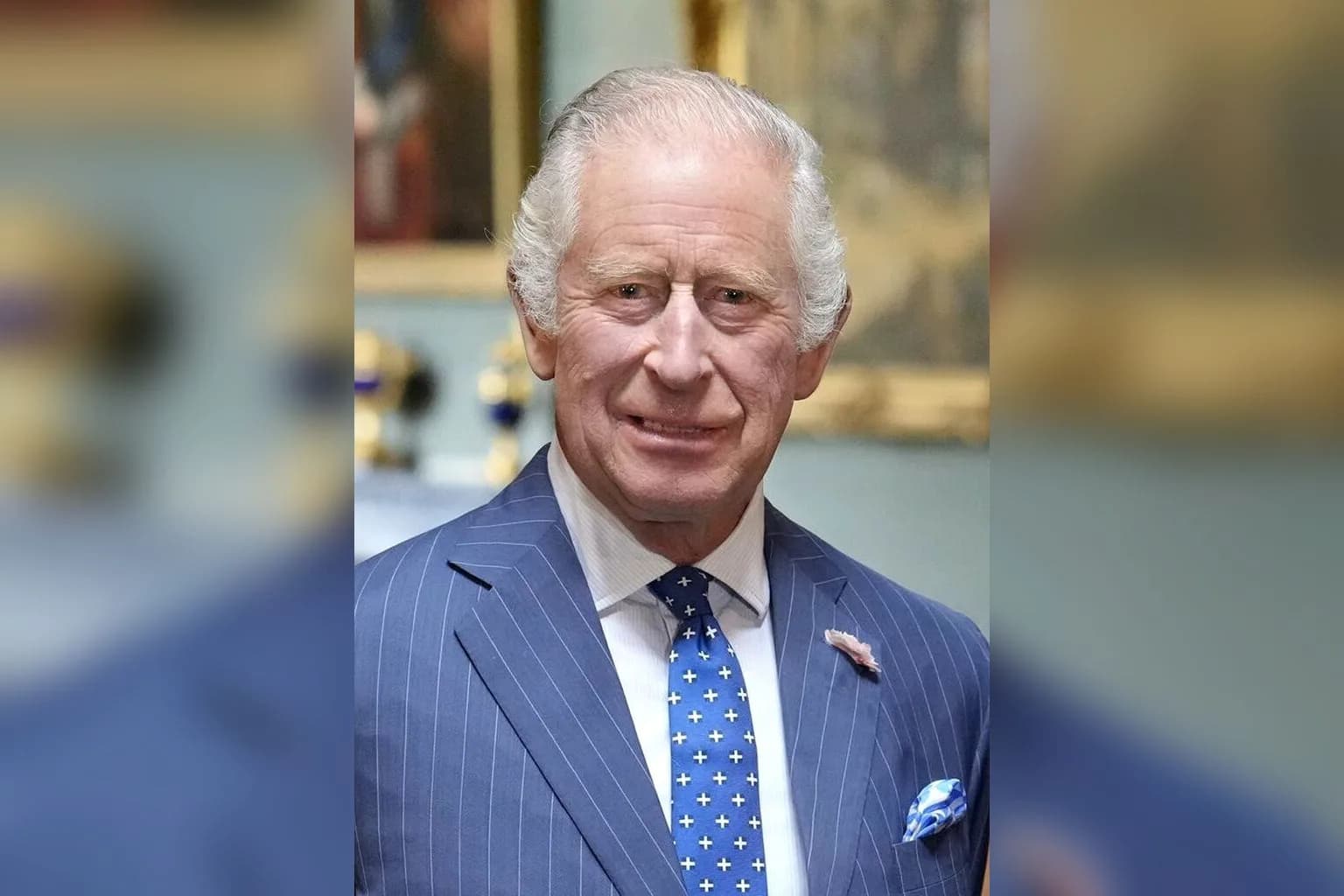
For Commonwealth leaders gathered in Antigua and Barbuda, Britain’s response to slavery remains unsettled: the King expressed sorrow, while the Prime Minister said he was open to a formal apology.
Royal sources have said a decision on an apology belongs to the government rather than the Palace. A Palace spokesperson said it would “not be appropriate” for the King to address policy matters connected to the government’s position.
On earlier stops in his Caribbean tour, the King encountered some of the history and anger surrounding the question. In the Bahamas, small groups of protesters held placards saying: “Pay what you owe us.” In Guyana, he visited the site of a Slave Rebellion in which hundreds of enslaved people were killed.
Andy Burnham wrote in the Guardian on Friday night that he was “open” to the UK formally apologising for its role in slavery. His position goes further than that of other prime ministers, though the British government has never formally apologised for slavery or offered reparations.
Burnham discussed slavery with Mia Mottley, Prime Minister of Barbados, at a meeting on Monday. It is understood that the Palace was told in advance about Burnham’s comments and that the King did not alter his speech in response.
Later on Sunday, the King was caught in a torrential downpour without an umbrella during an Independence Day ceremony in Antigua.
On Tuesday, he formally opened the Commonwealth Heads of Government Meeting in Antigua and Barbuda, which brings together leaders from 56 Commonwealth states every two years. Addressing the assembled leaders, the King called the transatlantic slave trade a “monstrous injustice”.
The King said slavery “still casts a shadow over these islands and other members” of the Commonwealth. He added: “We cannot change the actions of those who came before us. We can, however, learn from the past.”
Buckingham Palace had said before the address that the King would “will not shy away from confronting the most shameful aspects of the past”, speaking with “unflinching honesty, sincere sorrow and respect.” He did not offer a formal apology.
Officials continued talks with national leaders during the summit over what form a potential apology could take, with no decision reached. Gaston Browne, Prime Minister of Antigua and Barbuda, said his government was holding bilateral discussions with the UK and other Commonwealth countries at the meeting.
In an Independence Day address, Browne said the history of slavery was painful and “its consequences have not disappeared with the passage of time.”
Burnham has ruled out financial reparations. He said people in Britain today should not be “held liable for historical wrongs, however heinous.”
The UK will allocate £40 million over three years for Caribbean infrastructure improvements, including renewable energy.
Kemi Badenoch, the Conservative Party leader, urged the Commonwealth to move on from the argument over historical apologies. She told BBC Sunday with Laura Kuenssberg: “The transatlantic slave trade happened centuries ago. It is time for the Commonwealth to start looking forwards, not endlessly backwards.”




Comments (0)