

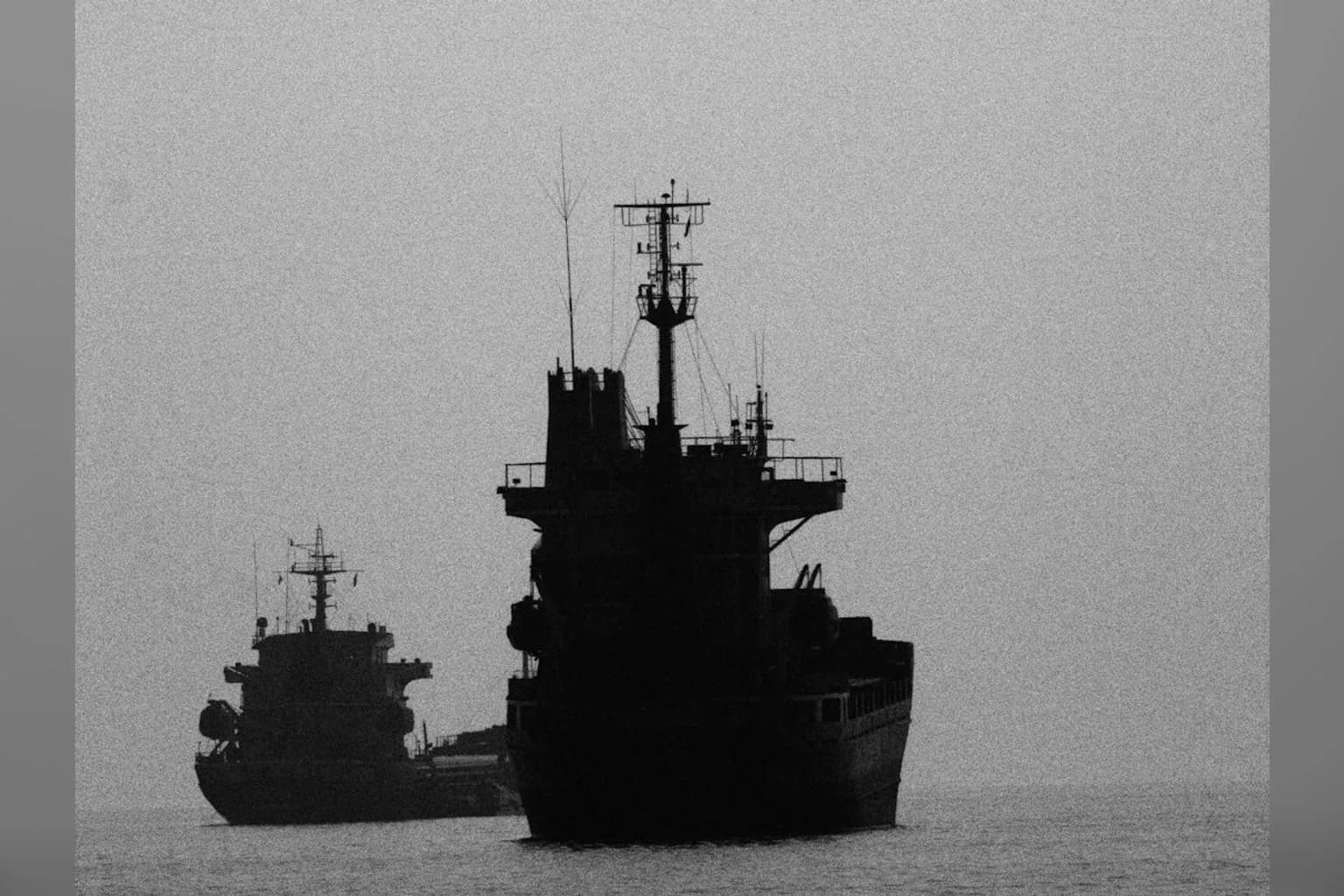
After the North Atlantic Council met at NATO’s Brussels headquarters to discuss security in the Black Sea, the alliance said it would send more surveillance and intelligence assets to the region. The announcement followed a series of attacks on cargo vessels near Romania and Bulgaria, including five vessels attacked on Tuesday.
Russia’s military said it had struck three vessels in Ukraine’s port of Reni and two travelling towards Odesa. NATO has not formally assigned responsibility for the recent attacks, and neither have Bulgaria or Romania. The attacks have been widely blamed on Russia, while the Kremlin has denied responsibility and has not acknowledged involvement.
Colonel Martin O’Donnell, NATO’s military spokesman, said allies had sent or would send maritime patrol aircraft, radar systems, explosive exploitation teams, intelligence personnel, drones and further equipment to the Black Sea. Allison Hart, NATO’s principal spokesperson, said the alliance had already strengthened its eastern flank, including counter-drone capabilities, and would add assets for surveillance, reconnaissance and forensics.
The deployments leave unanswered how NATO will use the additional equipment, and whether naval assets will be included. The alliance’s statement signals a greater focus on monitoring and investigating attacks affecting commercial traffic close to its members’ shores.
Tomas Alexa, a senior analyst at Ambrey, said the company had observed a sharp rise in the pace of attacks from July. Russian forces are estimated to be responsible for 80 percent of Black Sea attacks.
On October 5, a vessel caught fire and sank in Black Sea waters, killing two people, Romanian authorities said. Ukraine’s President Volodymyr Zelenskyy accused Moscow of responsibility for that attack.
At least five further cargo vessels were hit near the Romanian and Bulgarian coasts during the following ten days. Drones struck two chemical tankers anchored near the Sulina canal off Romania’s Black Sea coast last week, leaving seven sailors reported missing.
One of those vessels, the chemical tanker Wine Trader, caught fire near Sulina on October 15. Five crew members were rescued and seven remained missing.
At least 23 sailors have been reported missing or dead in attacks on cargo vessels. Kaja Kallas, the EU’s top diplomat, said on Tuesday that “six attacks in ten days by suspected Russian drones marks a dangerous and unacceptable escalation.” She said the Kremlin likely aimed to choke off Kyiv’s revenue from grain exports.
Romania has also faced drone incursions over its own territory. Its forces deployed F-16 fighter aircraft on October 17 and brought down two suspected Russian drones. Defence minister Radu Miruță said the drones were travelling at 450 km/h and were believed to be Russian-made Geran-4 models with turboprop engines, the first drones of that type Romania had shot down.
Romania has recorded 35 unauthorised drone incursions so far this year, against nine in 2025. Its forces have downed six drones this year, compared with zero last year.
The maritime risk has also reached the insurance market. A new high-risk designation used by the London shipping insurance market covers the whole Black Sea except the territorial waters of Romania, Bulgaria and Turkey. France sent a maritime reconnaissance aircraft to Romania on October 18.
Comments (0)