

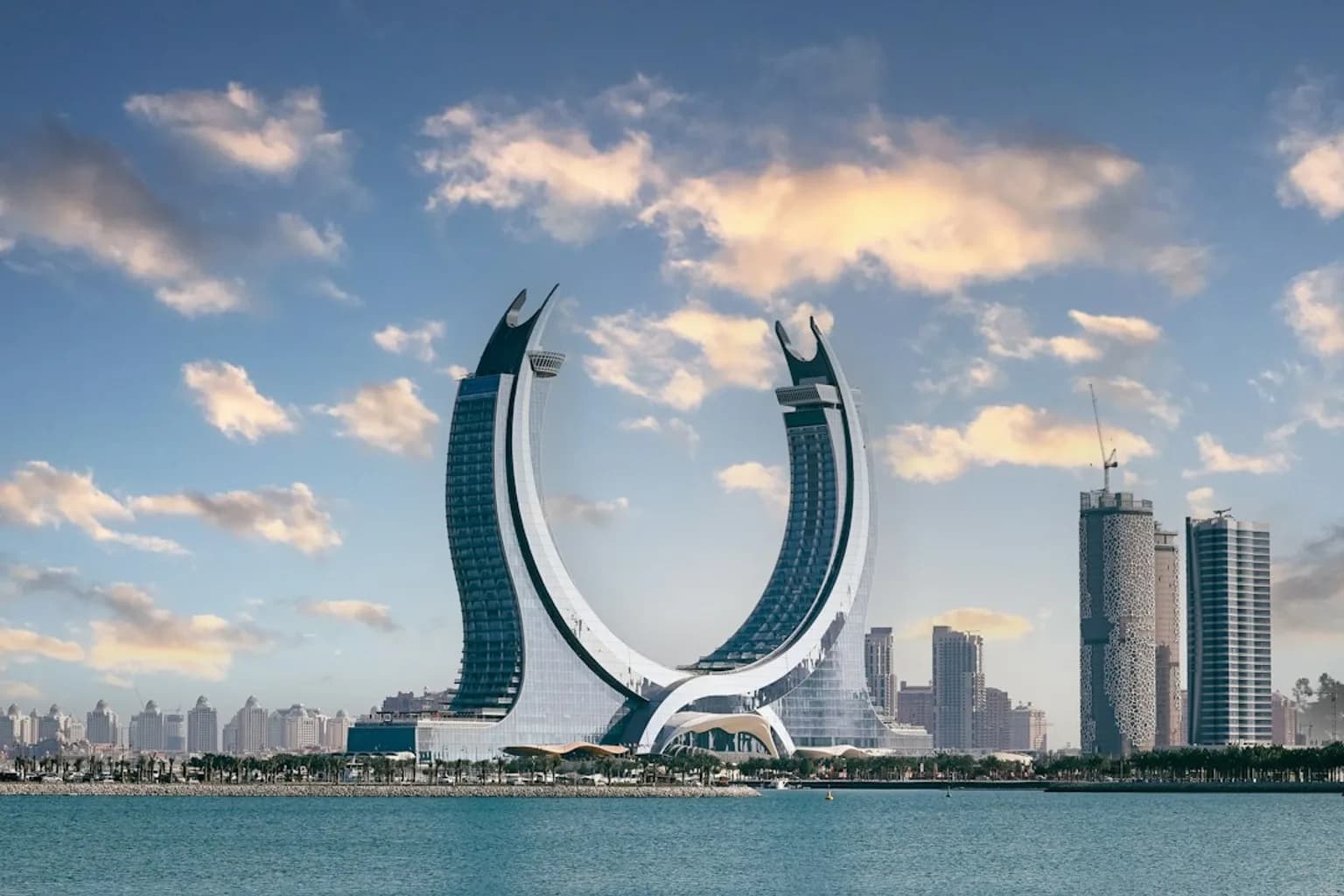
For people across the region, the return of Qatari mediators to Tehran offers a possible route away from further fighting between the United States and Iran, while leaving the terms of any settlement unresolved.
The new effort follows a conflict that began with US and Israeli strikes on Iranian targets on Feb. 28. A preliminary agreement signed on June 17 to halt the fighting collapsed weeks later, and the last confirmed US strikes on Iran occurred on Sept. 1.
Qatari mediators spent more than 12 hours in talks with Iranian officials in Tehran on Friday. An Iranian delegation then travelled to Doha on Saturday for further discussions with the mediators.
The Qatari team stayed in frequent contact with US negotiators during those talks.
Abbas Araghchi, Iran’s foreign minister, said mediators had submitted proposals on Iran’s nuclear programme and that Tehran was reviewing them. He described the US attempt to open dialogue as a “positive step”, after Vice President JD Vance sent an outreach letter to Mohsen Rezaei, Iran’s security chief and secretary of its Supreme National Security Council.
Araghchi said Iran would not meet American officials immediately. “We see no need to meet with the Americans at present. Our conditions are clear, and mediators are continuing their consultations regarding them,” he said.
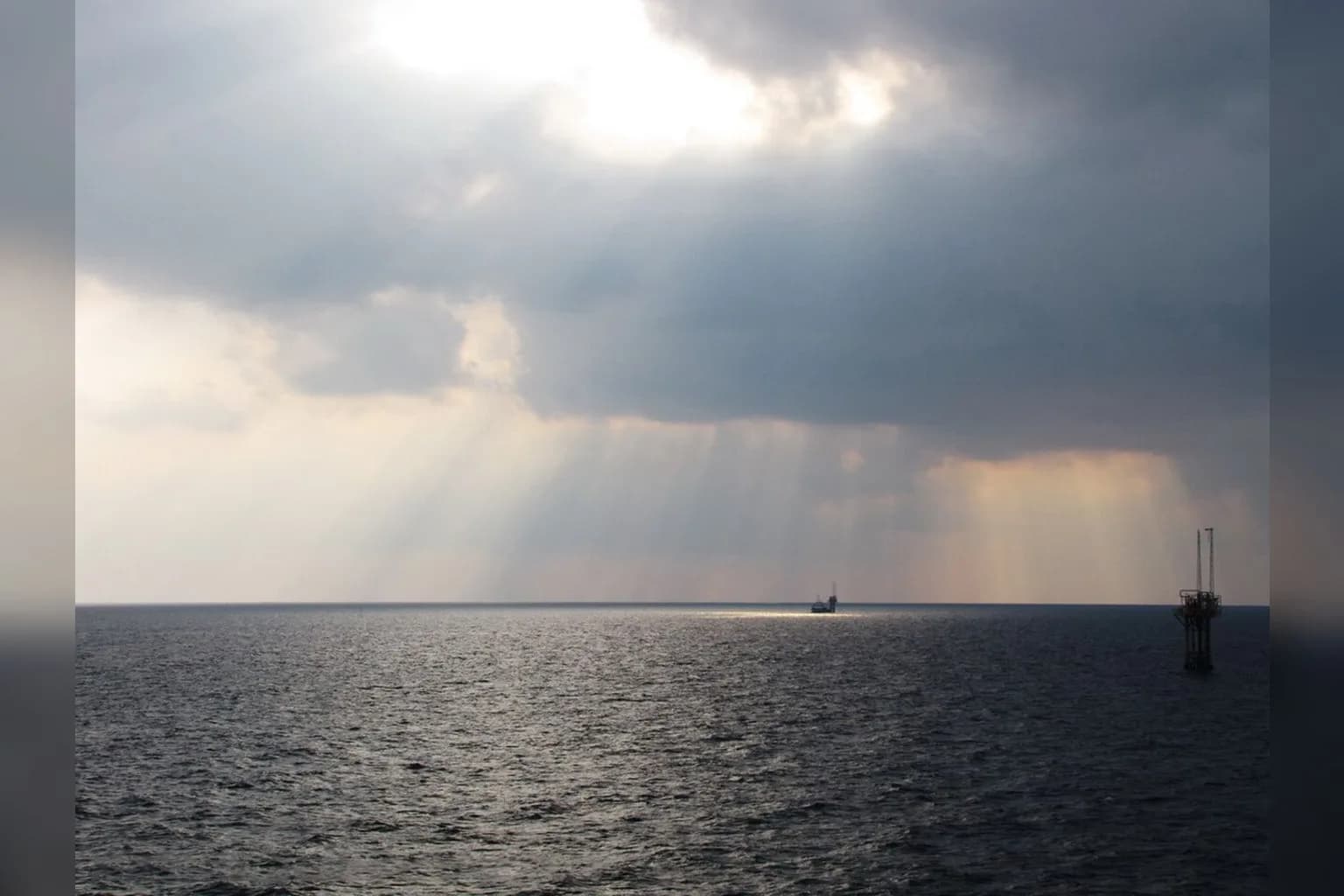
Iran wants sanctions imposed after the Islamabad memorandum of understanding removed. It also seeks a reduced US military presence in the region, recognition of a shipping route through the Strait of Hormuz agreed with Oman, and the closure of other routes through the waterway.
It remains unclear whether a US delegation has arrived in Doha for direct talks, and the content of Vance’s letter has not been established.
A draft agreement is circulating between the parties. It provides for seven days of reciprocal confidence-building measures and could be backed by guarantees from other countries.
Masud Pezeshkian, Iran’s president, said on November 2 that Supreme Leader Mojtaba Khamenei had authorised his government to pursue negotiations with the United States. “We are trying to solve the problem through dialogue,” Pezeshkian said.
Iranian officials left Qatar on November 2 after talks with mediators seeking an end to the war, with another meeting still possible. Russian President Vladimir Putin also spoke by phone that day with Rezaei, according to Iranian media outlets.
The diplomatic activity has unfolded alongside fresh warnings from Tehran. Khamenei said on Saturday that “any level or type of threat must be met with an immediate, impactful, and geographically unrestricted response.” He ordered Iran’s military to update its list of potential US and Israeli targets and told commanders to prepare responses without geographical restrictions.
The Iranian Broadcasting Agency reported on Saturday that US forces had attacked two fishing boats off Masan near Qeshm Island in the Strait of Hormuz.
Trump said on Tuesday that the war would end “whenever I want it to” and “would be very quick, but we have to have an end properly”, with a “total statement” that Iran would never have a nuclear weapon. On November 2, he said: “We're winning with Iran – easily winning. They want to make a deal, and it could happen.”
Vance said he and Trump “both feel pretty good about the prospects for potentially coming to a negotiated settlement” and that “we've certainly made some progress.”

Comments (0)