
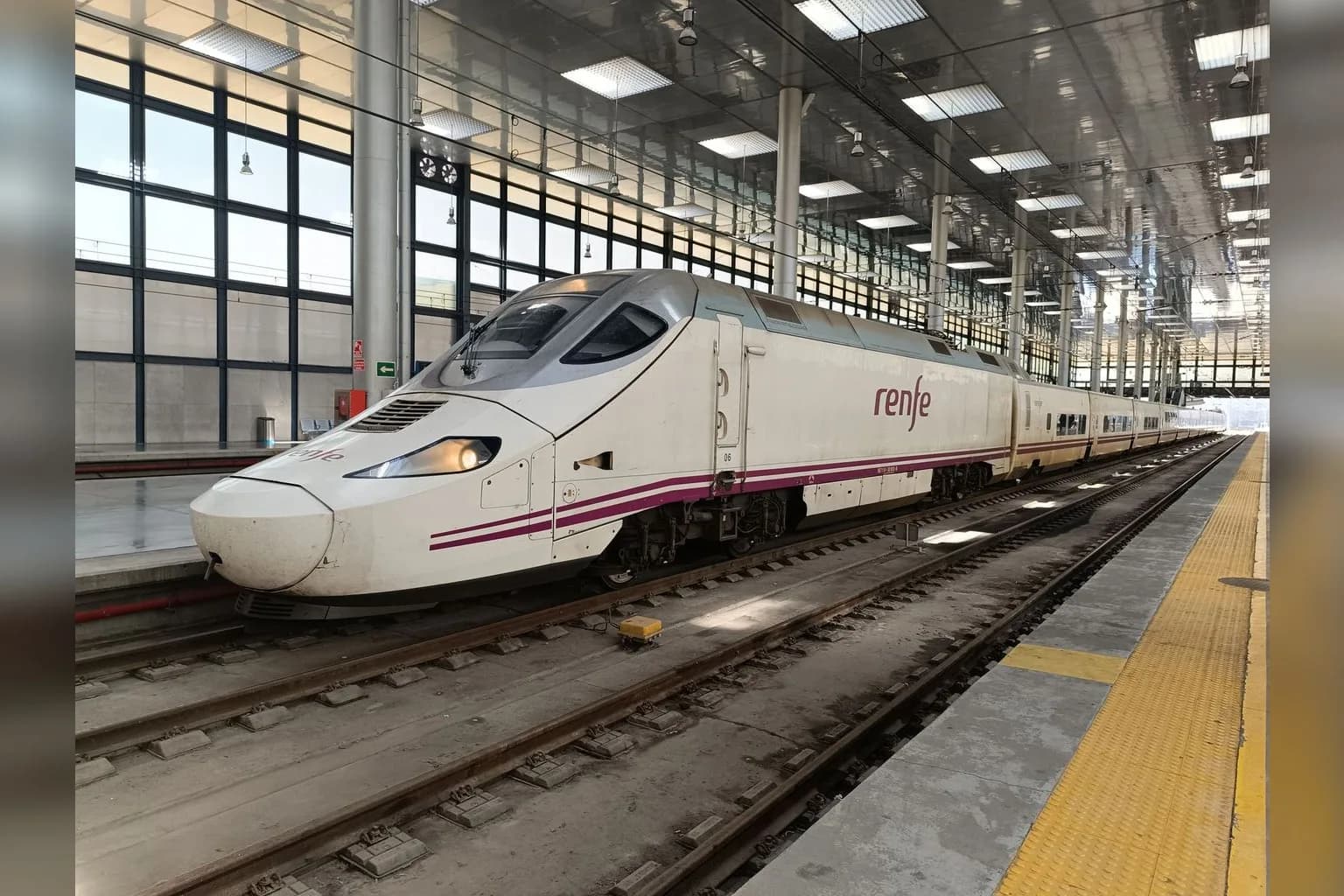
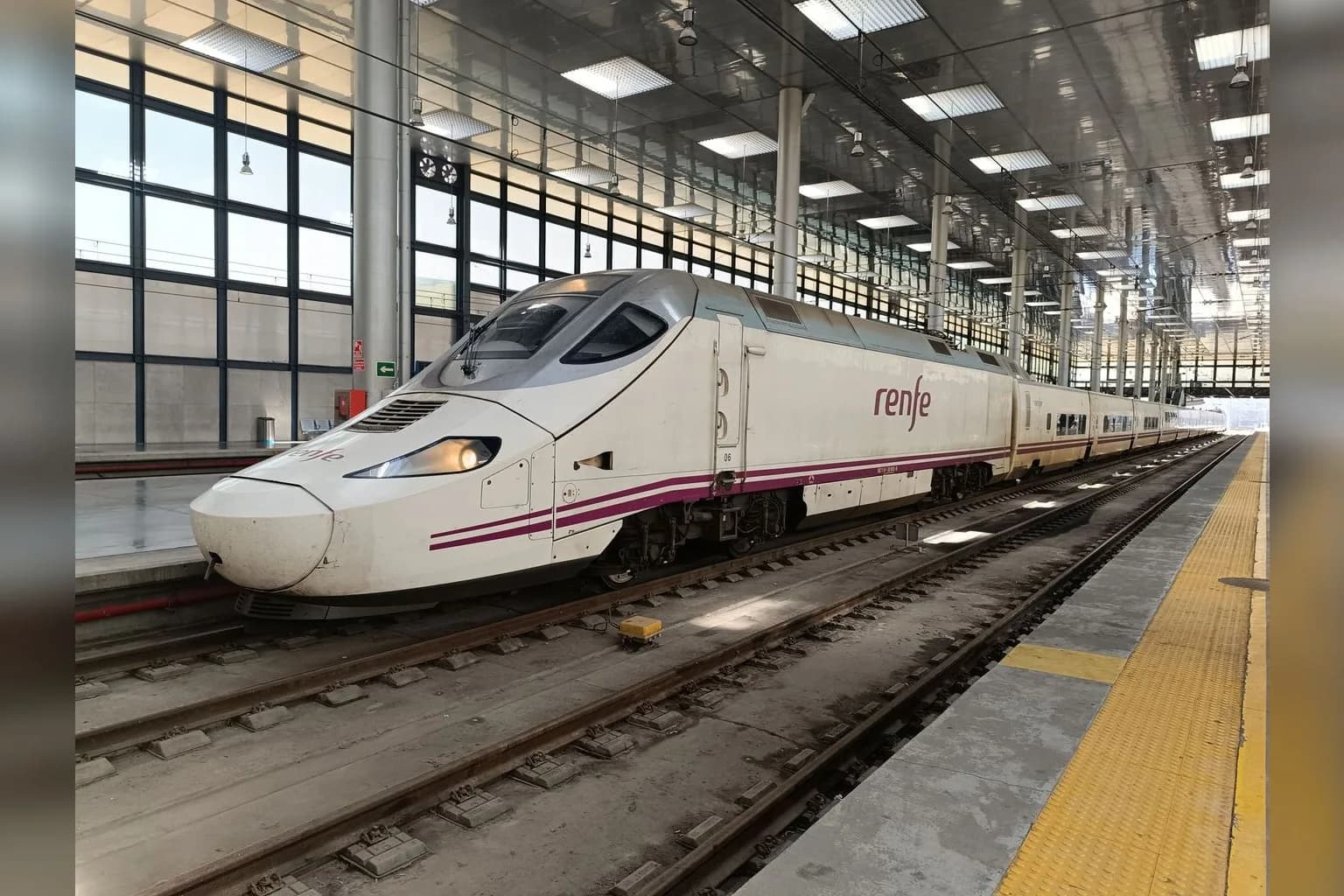
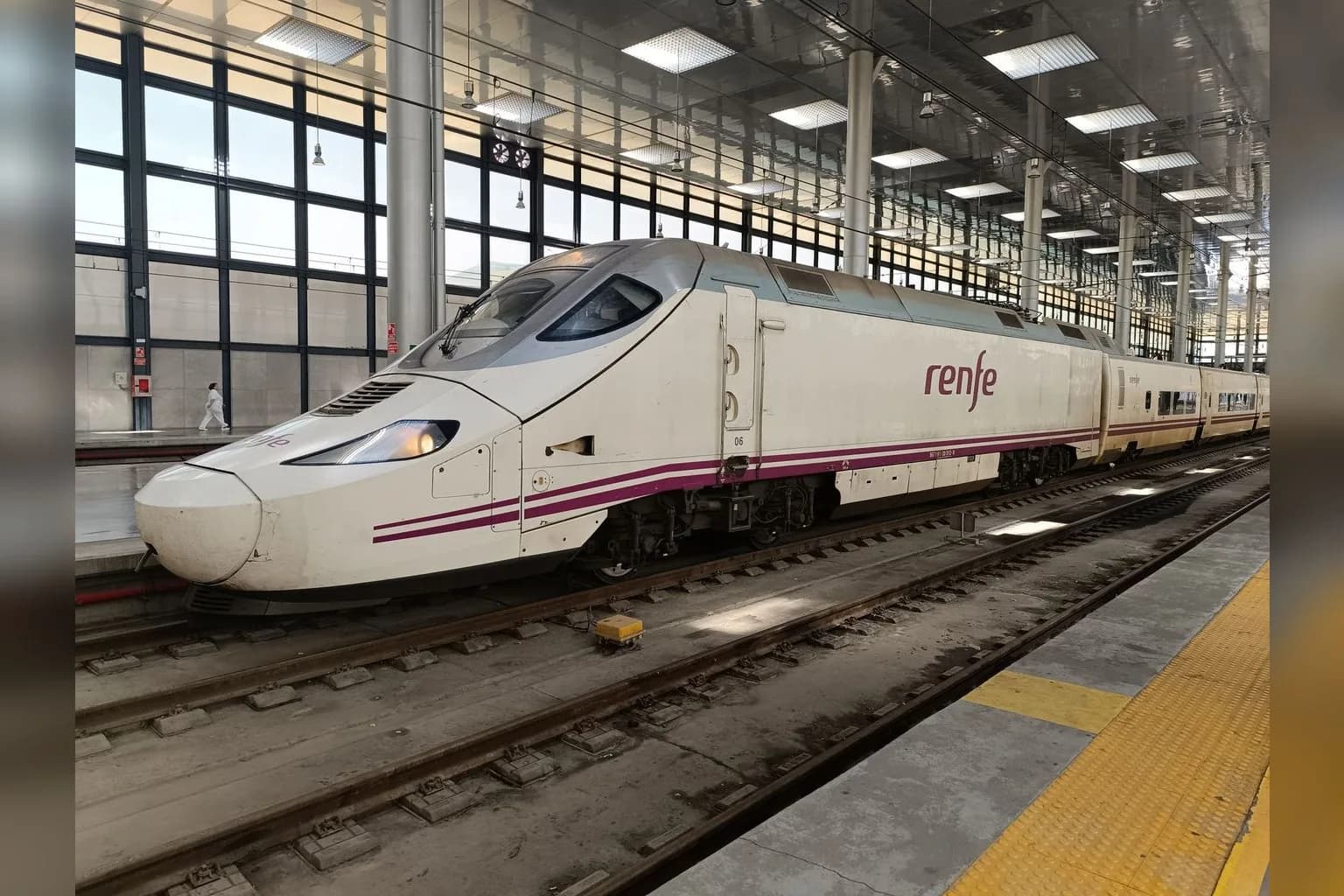
The driver of the stationary IRYO train told the rail control centre that she was “stationary in front of the entry signal at [the town of] Urda”, while a RENFE service was about 25 kilometres behind.
At 8:30 a.m., a computer failure disabled an automatic safety system across a 63-69 kilometre section of the Madrid-to-Seville line and stopped trains in the area. Central command soon instructed the RENFE driver to proceed at normal speed without restrictions, despite the IRYO train remaining ahead.
At 8:53 a.m., the RENFE train, potentially travelling at up to 200 kph (124 mph), crashed into the rear of the stationary IRYO service near Urda. The collision killed 69 people.
The crash happened on Wednesday morning in countryside between Urda and Los Yébenes, on the Madrid-to-Seville high-speed line in the central Castilla-La Mancha region. The RENFE train carried 397 passengers and the privately operated IRYO train carried 147.
Three front carriages of the RENFE train struck the IRYO locomotive. The crash derailed two carriages at the rear of the IRYO train and the front of the RENFE service.
Fátima Báñez, a former labour minister for the conservative People’s Party, was among those killed.
Toledo’s morgue received 52 corpses, exceeding its usual capacity of 30. Renfe drivers went on strike on Thursday, saying they were acting “to defend rail safety”.
Spanish media published recordings capturing confused exchanges between the drivers and the rail control centre in the 30 minutes before the collision.
Óscar Puente, the transport minister, described the decision to allow the RENFE train to continue after the system failure as “inexplicable”. He rejected claims of mismanagement and said Spain’s railway system was “safe and reliable”.
Spain began three days of national mourning on Thursday. Pedro Sánchez, the prime minister and leader of the Spanish Socialist Workers’ Party, visited the crash site and said: “All of Spain is mourning”.
Sánchez, whose government has been in office since 2018, pledged a full investigation and measures to strengthen rail safety. “It is not acceptable for a country like Spain to endure two high-speed train accidents in the same year,” he said.
He added: “It is clear that we need to reinforce the safety of our train service to rebuild the trust in our high-speed rail”.
About an hour before the collision, Sánchez had posted a campaign message on social media saying: “There are lots of reasons to be optimistic about this country”.
A general election is scheduled for November 29, one month after the collision. Alberto Núñez Feijóo, leader of the opposition conservative People’s Party, has called for a complete and independent review of the entire rail network.
Vox has filed a criminal complaint seeking an investigation of Puente on suspicion of manslaughter and causing bodily harm through gross negligence.
The disaster was Spain’s second high-speed rail crash this year. In January, 46 people died when an IRYO train derailed and collided with an oncoming RENFE train in the southern Andalusia region on the same Madrid-to-Seville line.
Before 2026, Spain had recorded no fatal crash on its dedicated high-speed lines since the network opened in 1992. The network has laid 3,900-4,000 kilometres of dedicated high-speed track.
Spain opened high-speed services to competition in 2021, and IRYO began operations in 2022 alongside RENFE.
From 2018 to 2022, Spain spent an average of about $1.67bn a year on high-speed lines. Maintenance and repairs received 16 percent of that spending, compared with 33-39 percent in Italy, Germany, and France, despite their much smaller networks.
Rail accidents in Spain rose from 45 in 2016 to 57 in 2024, then reached 69 in 2025, according to the Spanish railway safety authority.



Comments (0)