

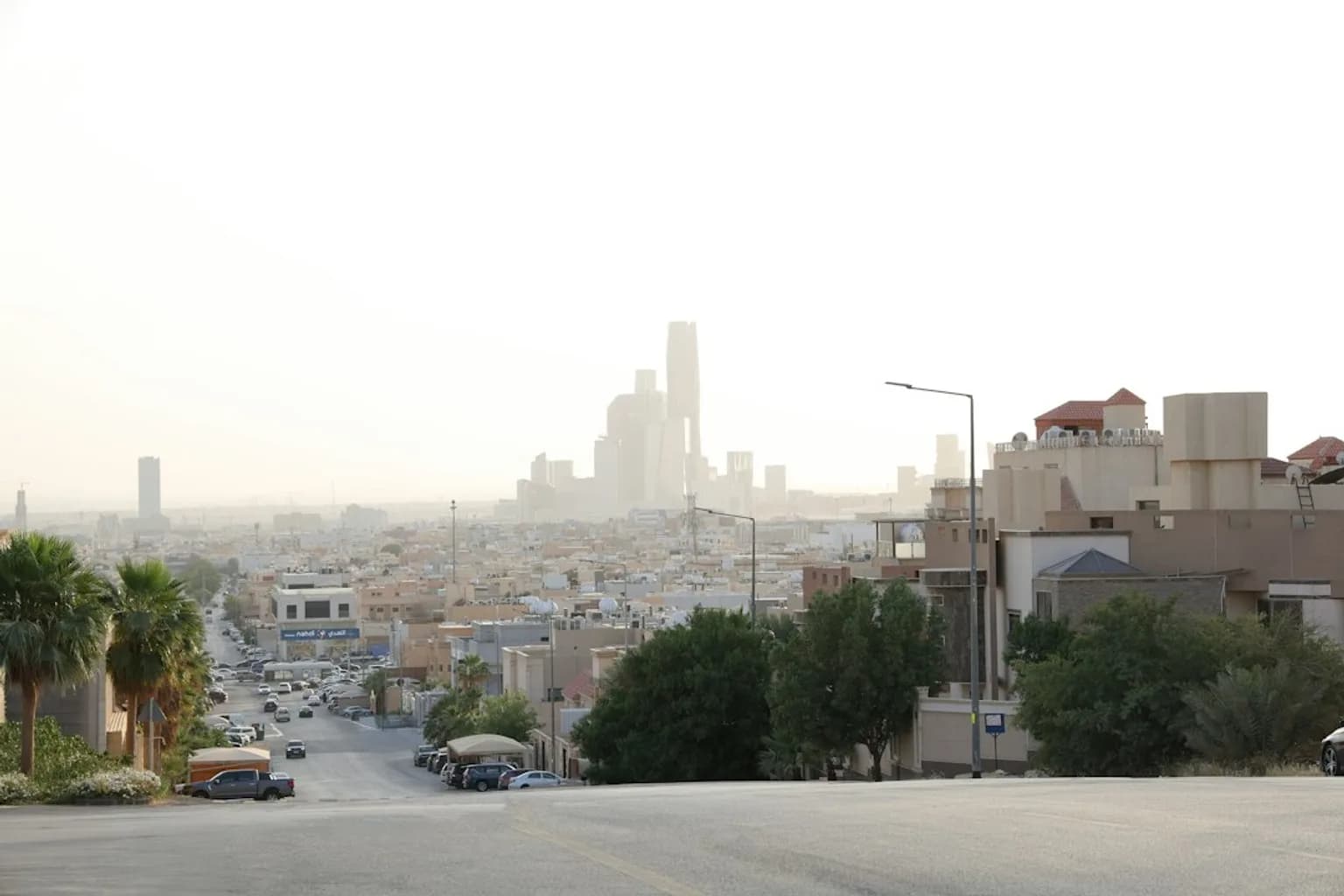
The US embassy in Riyadh warned on Wednesday that the Houthis could carry out further attacks on Saudi Arabia. Hours later, the State Department ordered non-emergency US government employees and their family members to leave its mission in Saudi Arabia.
Tommy Pigott, the State Department spokesperson, said the order applied to “non-emergency US government employees and their family members in Saudi Arabia only”. The department also plans to withdraw family members from a number of other missions in the region, including in the United Arab Emirates, Jordan, Qatar and Bahrain.
The decision reverses the return of some US diplomatic personnel in recent months, after staff had been pulled out during earlier regional escalations. In late February, the United States and Israel launched attacks on Iran that killed the country’s supreme leader and senior military commanders. Tehran then attacked US facilities in the region, prompting Washington to evacuate non-essential staff from Gulf embassies.
Drones struck the embassy and a CIA station in Riyadh in early March. The US ordered non-essential staff to leave again in July, before US President Donald Trump called off a new wave of strikes. Some personnel returned as tensions appeared to ease.
Saudi Arabia has since faced near-daily attacks this month from the Iran-aligned Houthis in Yemen. Earlier on Wednesday, the Saudi-led coalition said it had intercepted six drones.
The attacks have hit civilian infrastructure. Saudi Arabia’s civil aviation authority said an attack on King Fahd International Airport in Dammam killed one person and injured eight others.
Saudi air defences also intercepted a drone that was attempting to strike a facility at Saudi Aramco’s Shaybah oilfield, near the UAE border. Falling debris killed two people. The Saudi energy ministry said: “The attempted attack resulted in the deaths of two individuals, a Filipino and a Nepali, and injuries to two others”.
Pigott said Iranian-supported Houthis had “increasingly engaged in hostilities against Saudi Arabia, including attacks on civilian airports and other critical infrastructure resulting in civilian casualties and severe travel disruptions”. He added that “the safety and security of Department personnel and their families remain our highest priority”.
Late on Wednesday, Iranian state media reported explosions in the southern Hormozgan province overlooking the Strait of Hormuz. The official IRNA news agency said: “A few minutes ago, the sound of several explosions was heard in the Karpan area of Sirik, in Hormozgan Province”.
In peacetime, the Hormuz strait carried around a fifth of the world’s oil supplies.




Comments (0)