
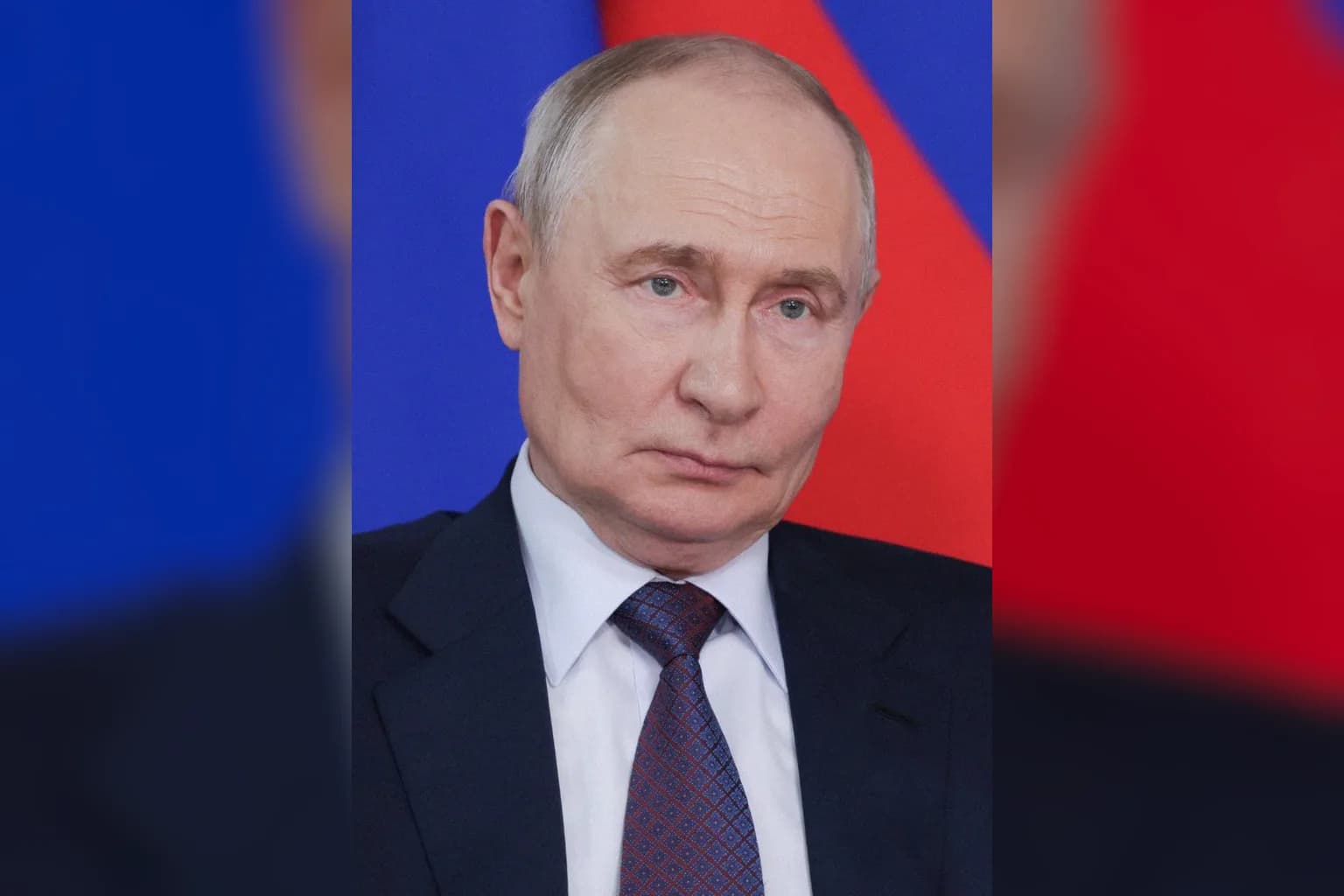
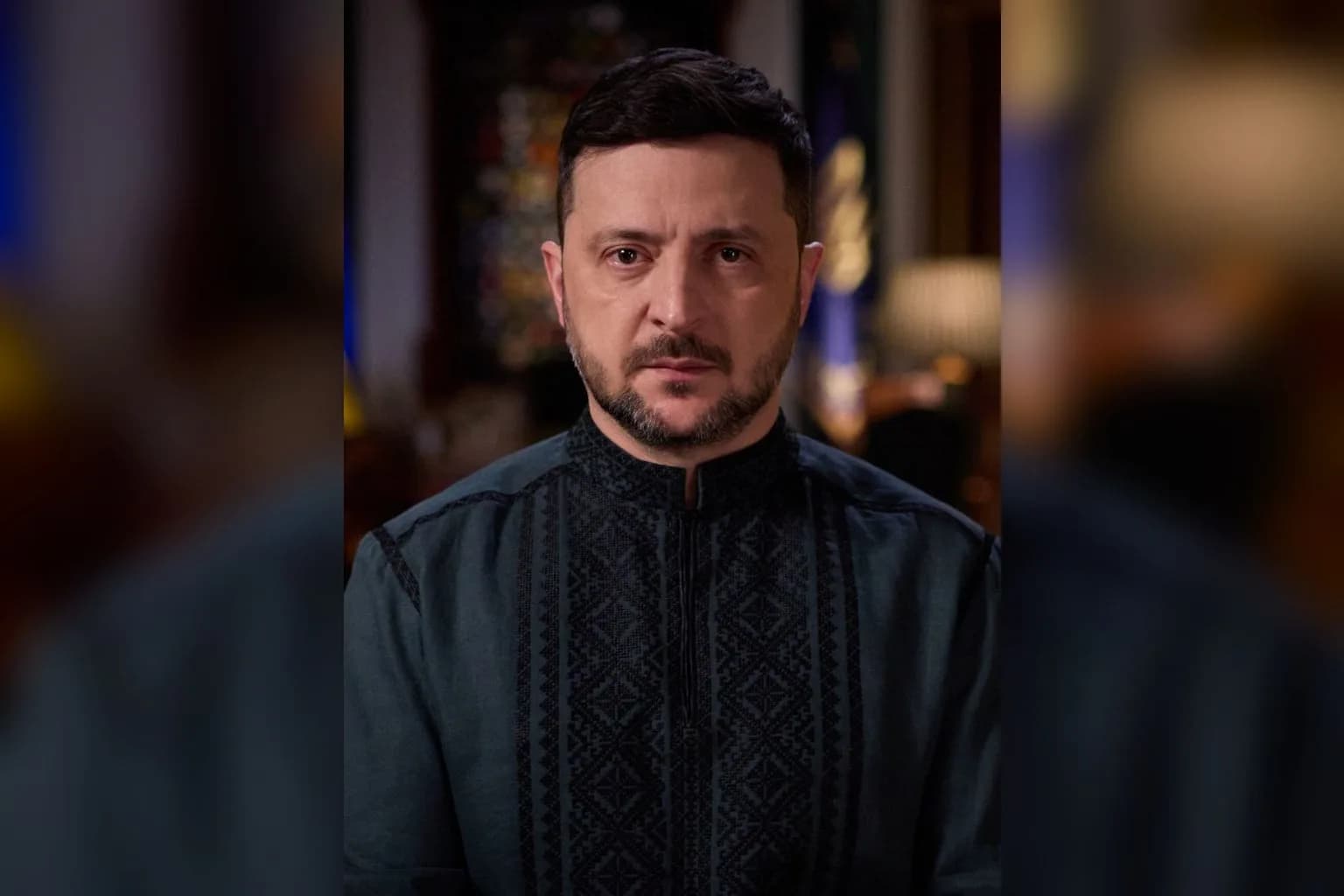
US envoys Steve Witkoff and Jared Kushner travelled to Dublin to brief Ukrainian President Volodymyr Zelensky after meeting Russian President Vladimir Putin in Moscow on 12 November.
Witkoff said a European representative would attend the next stage of negotiations, where wider security arrangements for the continent would be discussed. The talks matter beyond Ukraine because negotiators have been considering security arrangements for Europe, Ukraine and Russia.
Putin told the envoys that Russia would see foreign peacekeeping troops stationed in Ukraine as a “continuation of war.” His position sets out a Russian objection over one of the security issues facing any settlement.
Witkoff and Kushner arrived in Moscow early on 12 November, where Kirill Dmitriev, the Russian president’s special representative, met them at Vnukovo Airport. They were later received at the Kremlin by Putin, with his aides Yuri Ushakov and Vladimir Medinsky also present.
After the meeting, Witkoff said: “I think progress was made. I think it was made earlier today.” He said the US had restarted three-way talks between Russian, Ukrainian and US delegations, and that another meeting had been set. “People didn't think that we were going to restart trilateral. We've restarted it. We've set a new meeting. This is what President Trump wants to see.”
Before the Moscow meeting, Kushner said the envoys had repeatedly told Putin and his team that European participation was needed for an agreement. “We've relayed to President Putin directly several times and to his team that the only way to get this done is to have them by our side. I think that they're receptive to it.”
The Moscow talks followed two days of US-led negotiations in Abu Dhabi on 10–11 November between Russian and Ukrainian delegations. The talks produced no major breakthrough, although negotiators reported progress including a prisoner swap agreement.
The first day covered future security arrangements and security guarantees for Europe, Ukraine and Russia, as well as prisoner swaps. Negotiators also made progress on security guarantees for Ukraine and on how to establish a de-escalation mechanism after the war.
Davyd Arakhamia, a Ukrainian negotiator, described the Abu Dhabi discussions as “one of the toughest ones.” He said: “I think the Russians came with very, very strict directives. And it was very hard to actually soften the discussion.” Arakhamia nevertheless said there was “good momentum” towards an agreement by the New Year.
Vladimir Medinsky, who led the Russian delegation, said the sides had “moved closer to peace.” Kushner described the Abu Dhabi talks as “very substantive” after “almost eight months of not being together.”
Zelensky said there was a “window of opportunity” for a peace deal by the beginning of 2027. “There really is this window of opportunity, when all the participants involved in this negotiating process could get the result by the beginning of 2027.”
He also raised concerns about new speed restrictions on Starshield, the military-grade sister version of Starlink. Zelensky said the restrictions were “helping the Russians kill more Ukrainians and carry out more accurate strikes against Ukraine.”
Comments (0)