

The prospect of another US military campaign against Iran in the coming weeks now turns in part on whether indirect contact can produce enough common ground for President Donald Trump to hold off on ordering strikes.
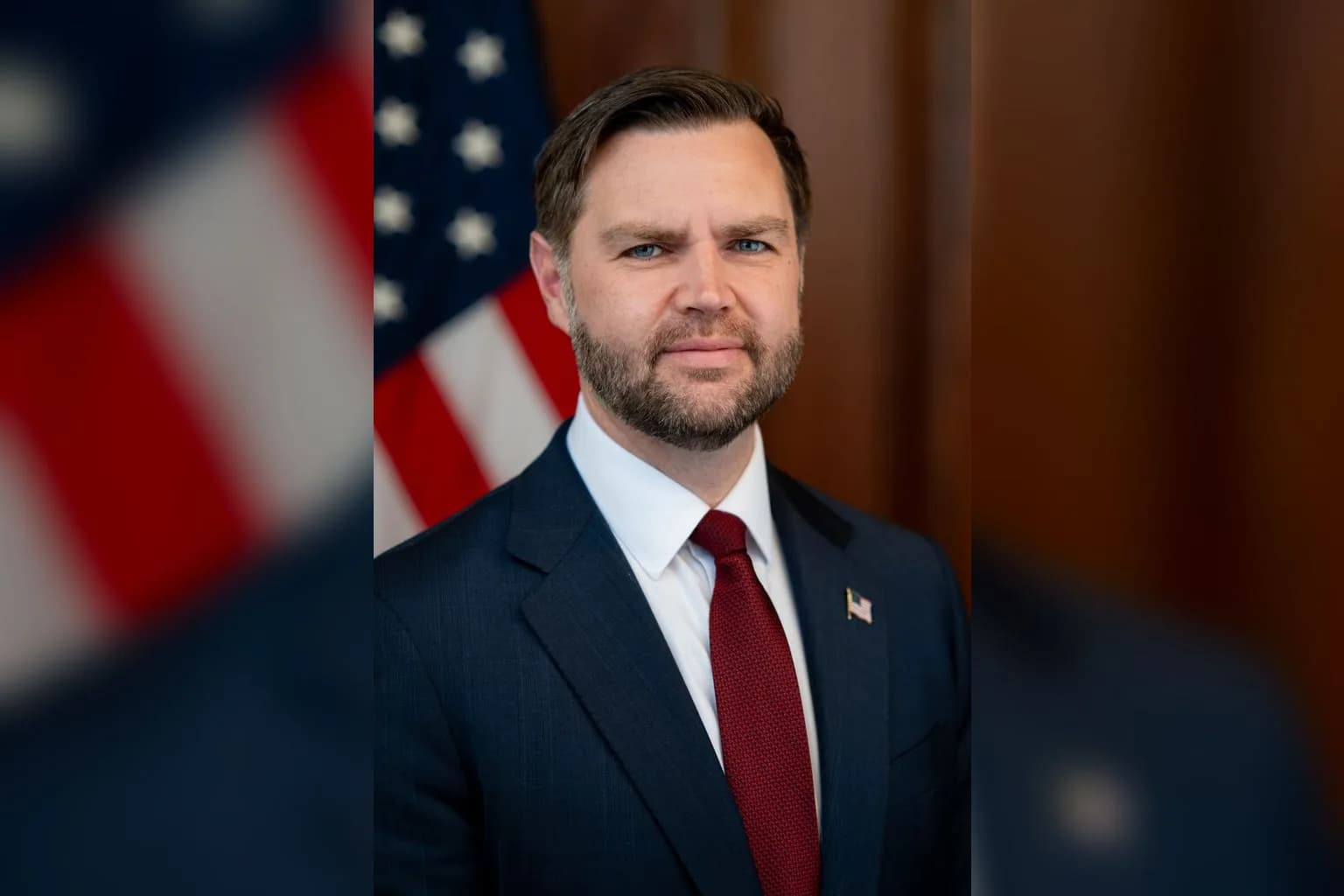
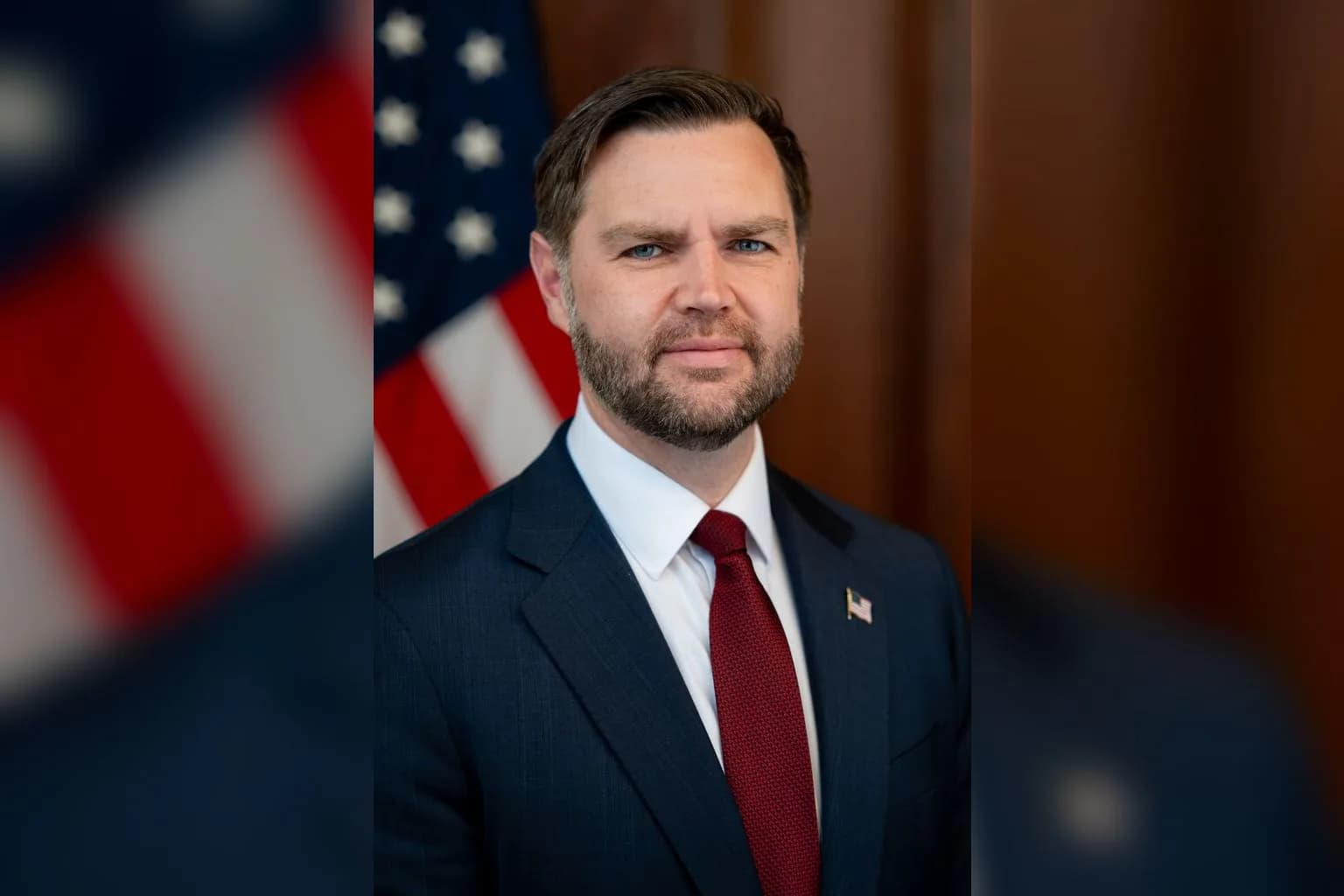
The Wall Street Journal reported that Vice President JD Vance had contacted Iran's security chief, Mohsen Rezaei, in an attempt to restart peace negotiations. Vance acted at Trump's direction, according to a US official who said: 'The President was enthusiastic about the letter.'
Vance's letter was delivered to Rezaei through Qatari mediators on Sunday. Rezaei heads Iran's Supreme National Security Council and is a former commander of the Islamic Revolutionary Guard Corps. The letter proposed direct talks led by Vance, put Iran's nuclear programme on the agenda from the outset and offered an in-person meeting aimed at ending the war.
Vance wrote that any negotiation intended to avert renewed US strikes would have to deal with Iran's nuclear programme. The message and later contacts have sought to set a framework for possible talks, rather than settle the terms of a detailed peace agreement.
Trump has offered a different public account. He denied instructing Vance to pursue peace negotiations and said the contact was chiefly intended to help deliver medical supplies. 'Basically, it's getting supplies in to help people that are not well,' Trump told reporters.
The diplomatic effort has unfolded alongside military planning. On Thursday, Admiral Brad Cooper, head of United States Central Command (CENTCOM), briefed Trump on options for renewed attacks on Iran.
Ten US military cargo planes landed at the Ovda and Nevatim air bases in Israel's Negev region on Thursday, while more were sent to Jordan, Saudi Arabia and Qatar. The US has also boosted regional air defences and munitions, and moved some troops away from bases vulnerable to Iranian retaliation. On Friday, Qatari mediators returned to Tehran for talks coordinated with the US.
Washington reportedly told several Gulf Arab countries to prepare for a possible campaign after the US midterm elections on 3 November. The US and Israel have drawn up joint plans for an attack on Iran after those elections. Trump has yet to make a final decision on authorising further strikes.
The administration had recently said it was no longer negotiating with Iran, even as Trump repeated warnings that further military action could be near.
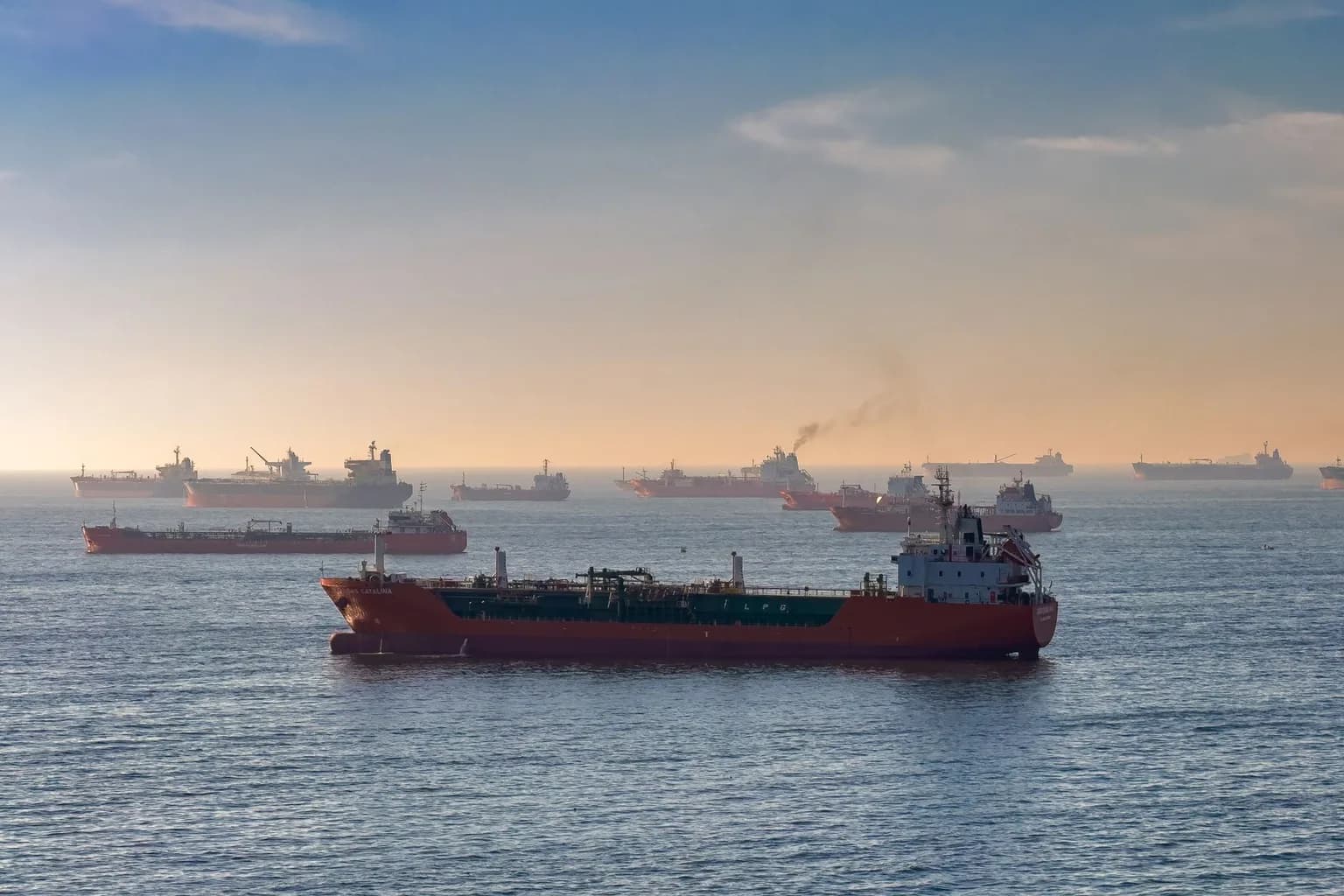
Tehran has indicated that diplomacy remains possible, though it has set conditions that Washington opposes. Iran wants the US to lift its naval blockade, release frozen funds and permit oil sales before nuclear negotiations resume. Washington wants Iran to restart those negotiations before any sanctions relief.
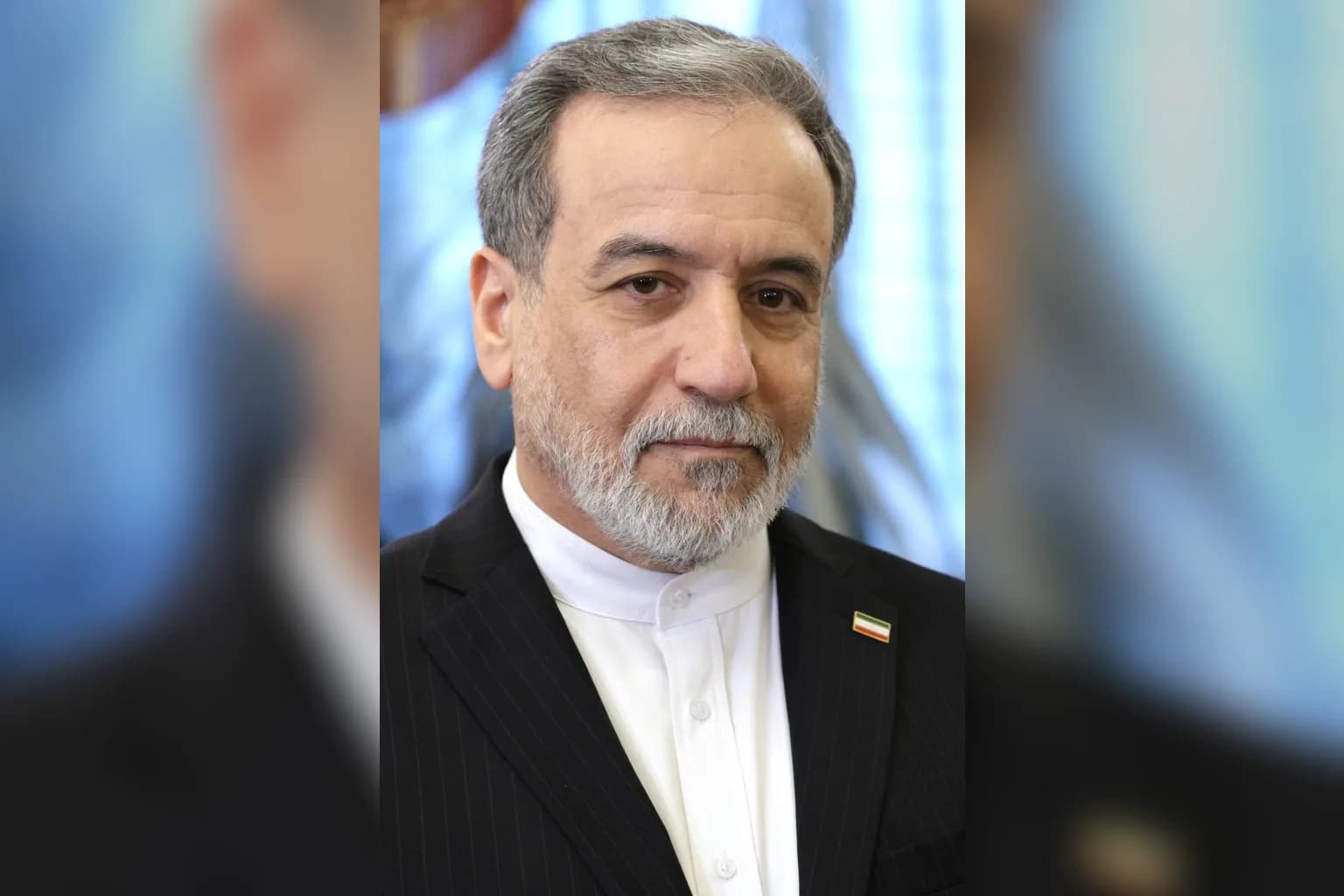
Mohammad Bagher Ghalibaf, the speaker of Iran's parliament, said progress rests on seven conditions, including lifting sanctions, ending the US naval blockade of Iranian ports, guarantees to end US-Israeli strikes and unfreezing Iranian assets. Abbas Araghchi, Iran's foreign minister, wrote on X: 'While our brave armed forces are fully prepared to defend the homeland, Iran is still giving diplomacy a chance to succeed.'
Iranian President Masoud Pezeshkian told Al Jazeera in September that Tehran no longer trusted negotiations with Washington because attacks had taken place during earlier rounds of talks. On February 28, the US and Israel attacked Iran two days after talks in Geneva. On June 13, 2025, Israel launched major strikes on Iranian nuclear and military sites two days before a sixth round of US-Iran talks was due in Oman.

Comments (0)