

The unfinished terms of the pandemic agreement could shape how quickly people receive vaccines, tests and treatments when a future outbreak emerges.
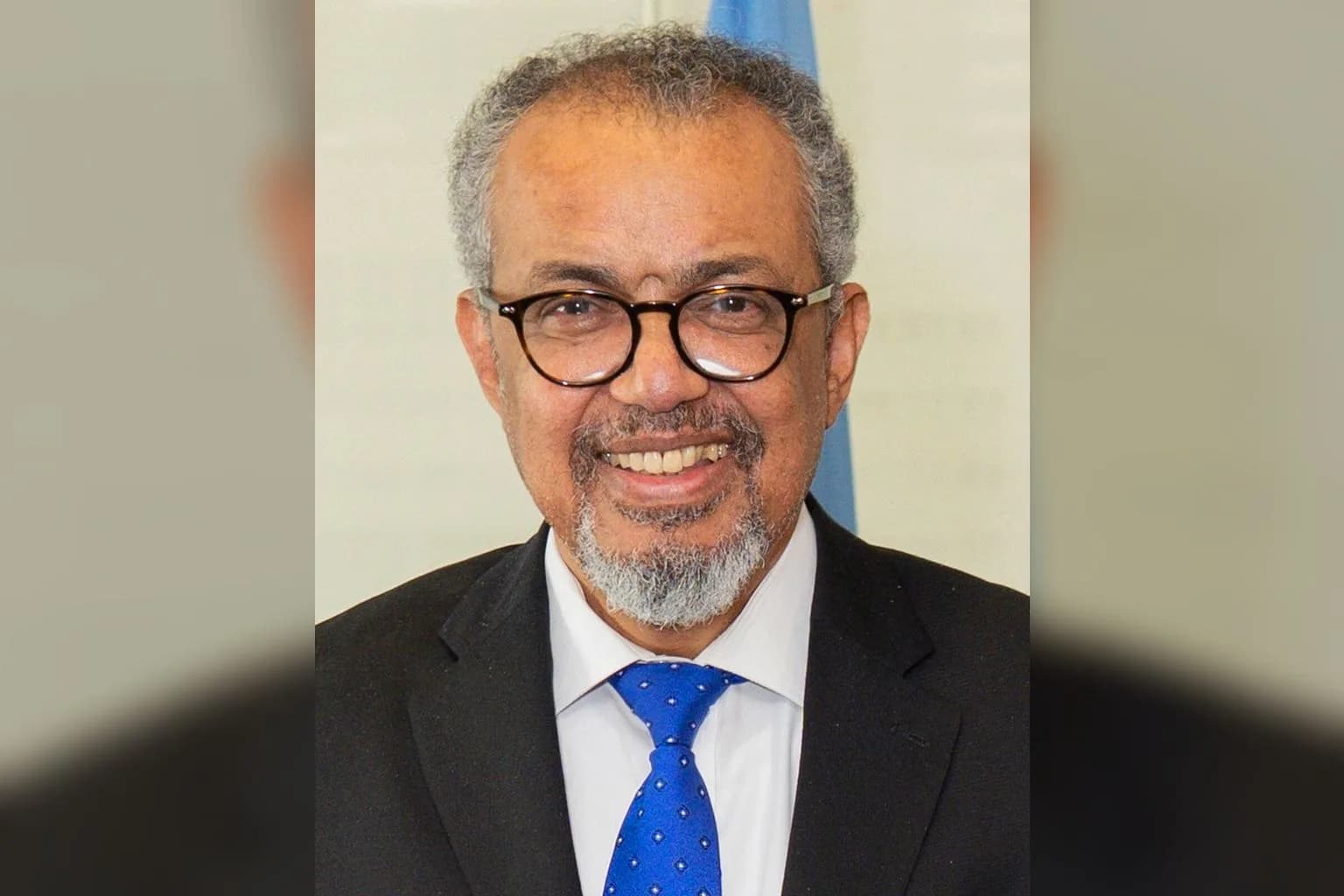
Tedros Adhanom Ghebreyesus, the World Health Organization’s Director-General, urged countries on Monday to finish the treaty after they left its central pathogen-sharing system unresolved in May 2025. Wealthy countries and developing nations remain divided over how the agreement will operate in practice.
The ninth meeting aimed at finalising the deal opened in Geneva on Monday, 2 November 2026. Tedros addressed representatives gathered to conclude the agreement.
Countries adopted the Pandemic Agreement in May 2025 as a framework for responding to future COVID-like pandemics. They postponed agreement on the practical operation of the Pathogen Access and Benefit-Sharing system, known as PABS.
PABS covers access to pathogens with pandemic potential and the sharing of benefits that follow, including vaccines, tests and treatments.
Tedros pointed to an Ebola outbreak declared in May, which has killed nearly 5,000 people out of more than 10,000 infected mostly in the DRC. He also cited a hantavirus outbreak that killed three people on a cruise ship in April.
“A pathogen threat anywhere can become a threat everywhere, to people of every country,” Tedros said.
He appealed to country representatives to set aside their differences and complete work begun after the Covid-19 pandemic. “No country can protect itself from pandemics by acting alone,” he said.
During Covid, Tedros said, “the world developed vaccines in record time, but too many countries were left waiting while others secured far more than they needed”. Vaccine inequity, he said, “cost lives, prolonged the pandemic and increased the risk of new variants emerging.”
“PABS is the last remaining piece of our puzzle,” Tedros said. He called its completion “the key that will unlock the door to a safer future.”
Hans Kluge, the WHO Regional Director for Europe, said timely access to vaccines and affordable medicines had repeatedly been raised by Member States during his meetings across all six WHO regions. Kluge is on special leave while running for WHO Director-General.
He said the world could not afford a repeat of the inequalities seen during COVID-19. “That is why we need a system where countries can quickly share pathogen samples and data, while ensuring that the vaccines, tests and treatments developed from them are shared fairly,” Kluge said.




Comments (0)