

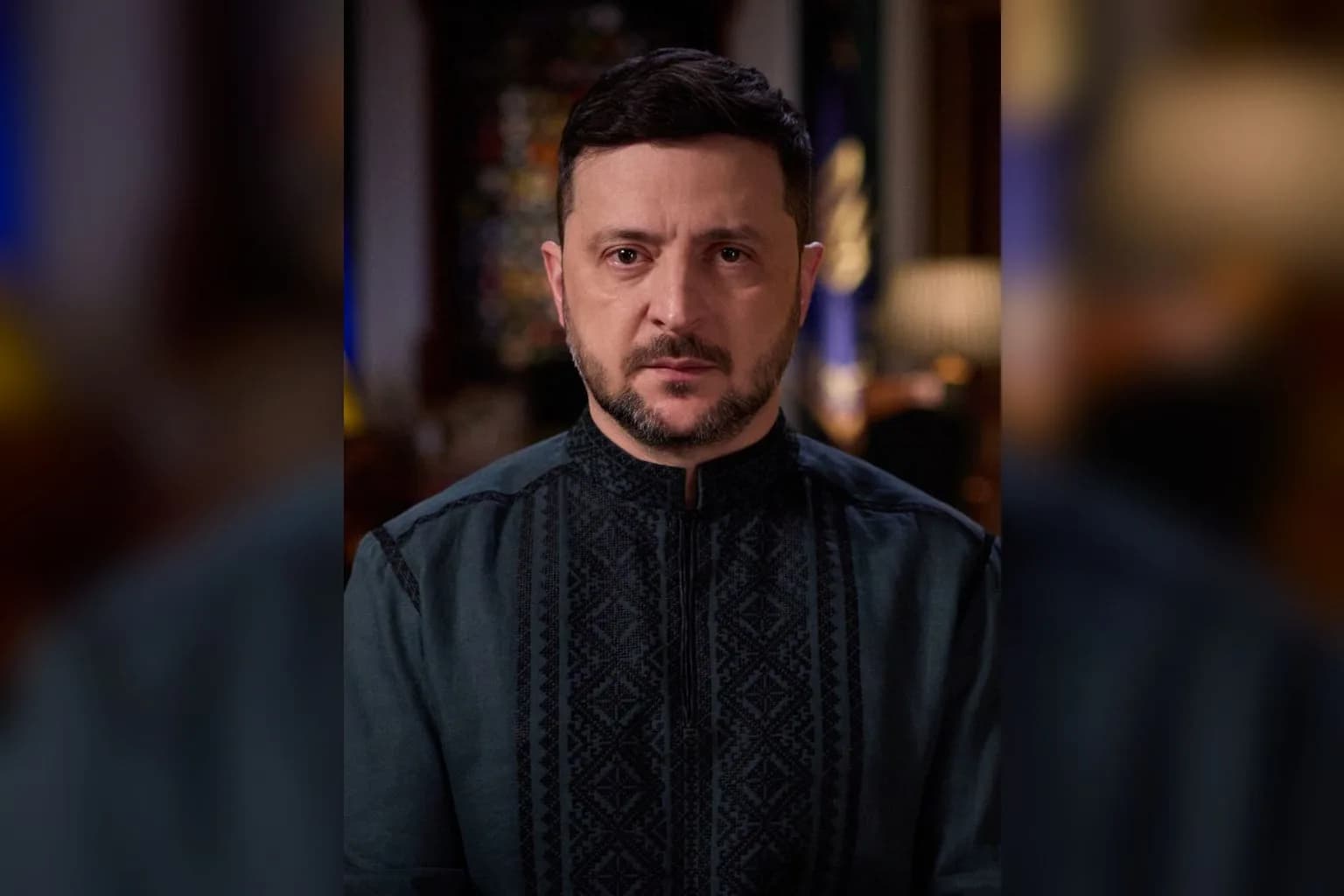
Ukraine’s ability to protect its energy system and face winter attacks was at the centre of Volodymyr Zelenskyy’s visit to Berlin, where he sought German help with air defence and power supplies.
The visit came as Russian attacks on Ukraine continued with increasing severity, Friedrich Merz said, setting the immediate terms for a meeting intended to secure support before new peace talks.
Zelenskyy arrived in Berlin on 3 November for talks with Merz, the German chancellor. He also met Frank-Walter Steinmeier, Germany’s president, and Julia Klöckner, the Bundestag president.
"Without Germany, we would not be as strong as we are," Zelenskyy said. He said the talks would focus on strengthening air defences and supporting Ukraine’s energy sector, with Patriot interceptors among the equipment Ukraine urgently needed.
Merz said Germany would soon send new support for air defence and energy, alongside further winter assistance this year. He said those two areas were Germany’s priorities ahead of the next winter.
The visit coincided with the opening of the two-day Berlin Security Conference, where Zelenskyy attended a security and defence gathering. About 3,400 additional police officers were deployed for his visit and the conference. Gitanas Nausėda, Lithuania’s president, was scheduled to give the conference’s opening address.
Behind the requests for equipment lay a wider argument over the shape of any settlement. Zelenskyy said Ukraine wanted attacks on energy infrastructure to stop, safe passage for grain shipments through the Black Sea and further prisoner exchanges. He also said future security guarantees should be considered alongside a prosperity package to help reconstruction.
Zelenskyy and Merz agreed that Europe should help shape a lasting peace settlement. "There cannot be a stable peace if Europe is not at the negotiating table," Zelenskyy said.
He confirmed that Russia, Ukraine and the US would hold trilateral peace negotiations in Abu Dhabi on 10-11 November. Steve Witkoff, the US special envoy, announced the new round on 3 November, and Germany expects European representatives to attend the US-led talks.
Merz said Russia needed to engage seriously in ceasefire and peace negotiations. "It is important that Russia finally and seriously engages in negotiations about a ceasefire and a subsequent peace agreement. I do not see that happening so far," he said. Zelenskyy rejected Russia’s proposed meeting in Moscow, calling it counterproductive.
The financial demands are also large. Zelenskyy told EU leaders in October that Ukraine would need an additional €70 billion ($78 billion) from European governments next year.
Hours after the leaders met, Russia launched a wave of missiles and drones at Ukraine. A strike on a hospital in Kharkiv injured at least 73 people and forced 226 patients to move to other hospitals.
Further talks involving the US, European partners and NATO were scheduled in Brussels on Wednesday. Germany will then host a coalition of the willing in Berlin on 19 November, when the meeting is due to decide further support for Ukraine in 2027. Merz said the war’s outcome would shape European security for a long time to come.
Comments (0)