

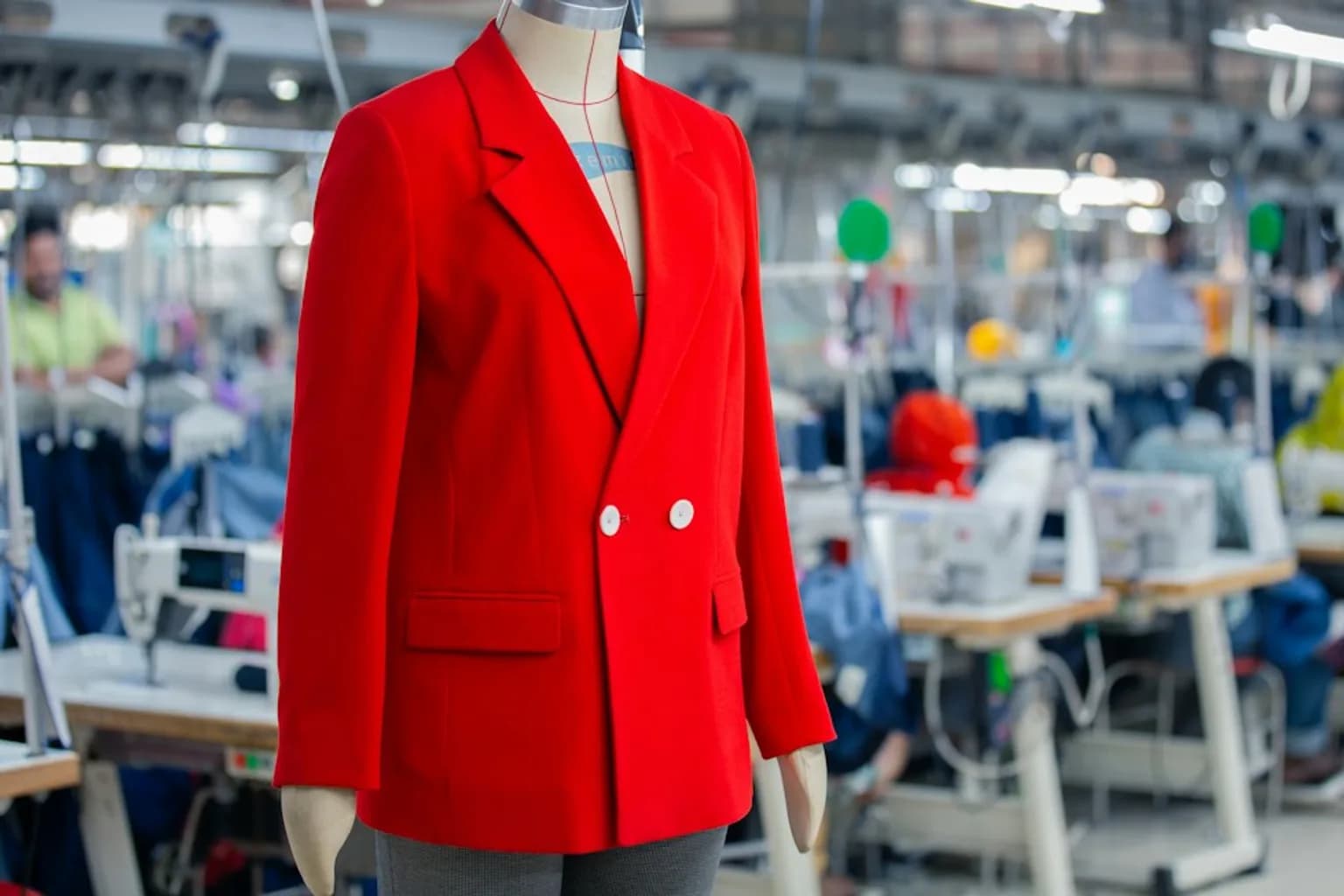
Babul Akhter, a workers’ representative, said garment workers had won a compromise after Bangladesh approved a 36% minimum wage rise on Wednesday, 25 November 2026. The new minimum is 17,000 taka ($139), up from 12,500 taka, after negotiations between workers and factory owners.
“Although we are not completely satisfied, the outcome is not entirely bad either,” Akhter said. The wage will take effect on 1 December, while workers are expected to receive the revised pay from January.
The agreement matters beyond Bangladesh because its garment factories supply brands including H&M, Zara, Walmart, Target and Gap. Bangladesh is the world’s second-biggest garment exporter behind China.
Workers began pressing for higher pay as the cost of food, housing, transport and health care rose faster than their wages. Protests spread across Bangladesh from October, disrupting factory operations.
They initially sought a monthly minimum of 30,000 taka ($240), before reducing their demand to 18,000 taka. Factory owners began with an offer of 15,000 taka and later raised it to 17,000 taka.
Judge Syed Azad Subhani, chairman of the government-appointed garment industry wage board, announced that a majority had backed the 17,000 taka minimum after a vote early on Wednesday, 25 November. The board approved the structure by 4-2 after nearly 12 hours of talks, with two members supporting the workers’ 18,000 taka demand.
The new structure sets four pay grades, ranging from 17,000 taka a month for Grade 4 workers to 21,500 taka for Grade 1 workers.
The rise is the smallest in more than a decade. Previous increases were 56% in 2023, 51% in 2018 and 77% in 2013. This revision comes after three years, compared with the previous five-year cycle.
The protests carried immediate costs for employers. A survey by the Bangladesh Garment Manufacturers and Exporters Association, one of the country’s largest trade groups representing the readymade garment industry, estimated that 317 factories lost about US$428 million in production during 18 days of disruption.
The association said orders worth $254 million had moved to other countries. On Tuesday, 397 factories could not operate and 84 remained closed under the labour law’s “no work, no pay” provision.
After the agreement, workers’ representatives urged people to return to factories. More than four million people work in an industry that earns around US$38 billion annually and provides more than 80 per cent of Bangladesh’s export earnings.





Comments (0)