
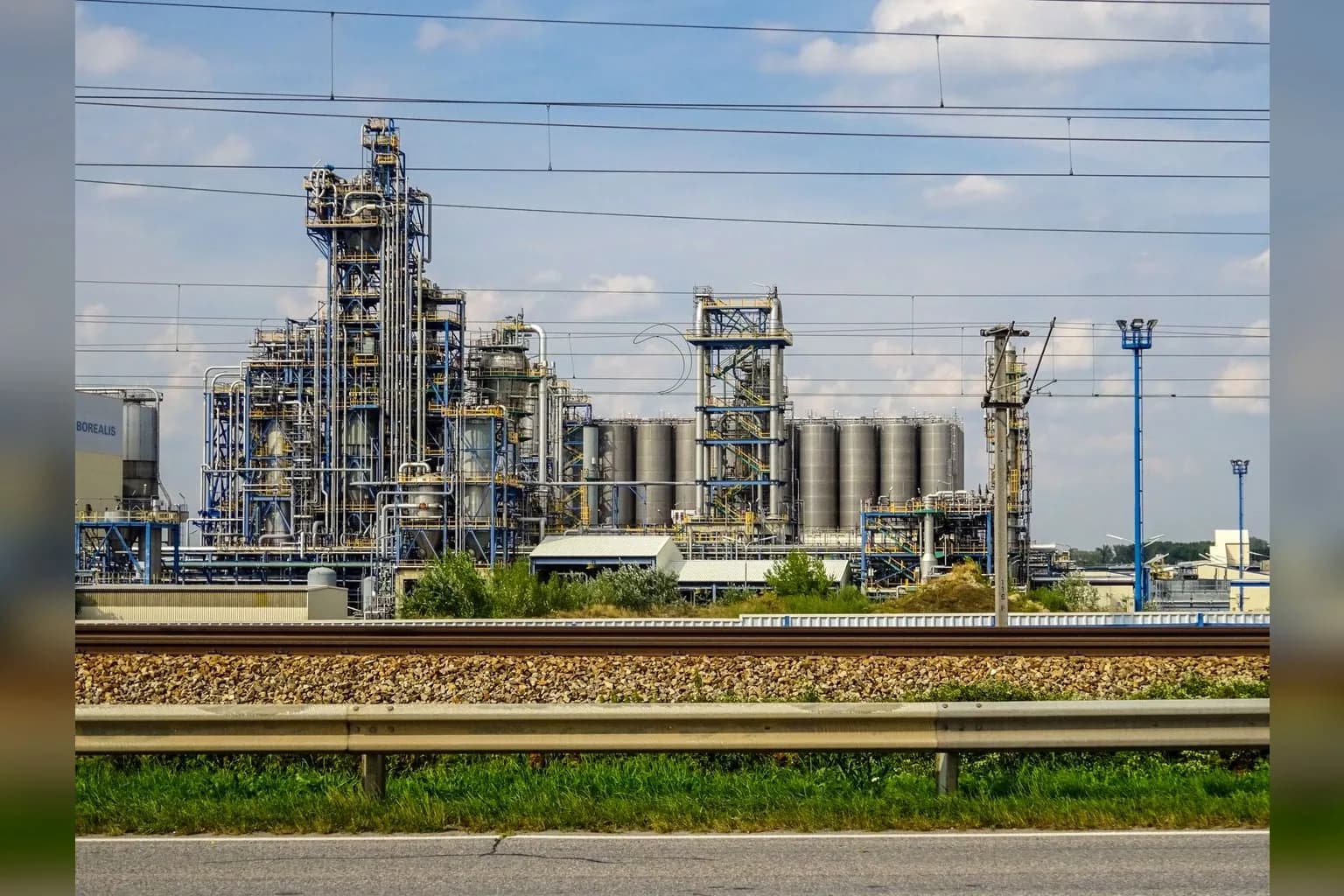
At Sandoz’s plant in Kundl, in the foothills of the Alps in Austria, Stephanie Jedner sees a stark outcome if production stops. ‘If the plant closes, Europe will be completely dependent on China,’ the site’s director told Reuters.
Kundl is Europe’s only facility making penicillin in-house from raw active pharmaceutical ingredients through to finished goods. That leaves the factory carrying the continent’s last fully integrated capacity for the antibiotic.
The pressure comes from a sharp shift in trade. China’s share of EU imports of penicillin and related derivatives rose from 44% in 2019 to 86% last year, Eurostat data show. European exports of those products have dropped to one-fifth of their early-2000s high.
European penicillin production had flourished for decades, with exports reaching their peak in the early 2000s. China now makes the same antibiotics and ingredients as Kundl at a significantly lower cost for European buyers.
In 2022, shortages of amoxicillin emerged in Europe as respiratory infections including influenza and respiratory syncytial virus spread. The episode exposed the vulnerability of supply chains reliant on low-cost imports.
Sandoz responded in 2023 with an investment of about 200 million euros to enlarge the Kundl plant. Public funds covered 50 million euros of that sum, and the work increased capacity by 20%.
Yet the expansion has not resolved the cost gap. The average electricity price paid by energy-intensive industries in the EU was about 50% higher than in China last year, according to the International Energy Agency. Kundl uses energy on a scale comparable with nearby Innsbruck, a city of more than 130,000 people.
European healthcare programmes benefit from cheaper Chinese antibiotics, though lower prices could put European self-sufficiency at risk. European policymakers are increasingly concerned about dependence on China for essential medicines.
Sandoz told the U.K. Parliament that the Kundl operation will be difficult to keep commercially viable unless European governments pay more for penicillin. Richard Saynor, Sandoz’s chief executive, said: ‘In Switzerland, a box of antibiotics is cheaper than Ricola candy, and in the U.K., cheaper than a Mars chocolate bar,’ and warned: ‘We take these medicines for granted, but we will only know their value after they disappear.’
In March, Sandoz asked the European Commission to open an anti-dumping investigation into Chinese active pharmaceutical ingredients for amoxicillin. The company said Chinese firms were selling the products below their production cost.
Up to 90% of the world’s antibiotic active pharmaceutical ingredients are made outside Europe, according to Sandoz. Whether the Commission opens an investigation, and whether governments raise purchase prices, will help determine whether Kundl can remain part of Europe’s penicillin supply.




Comments (0)