

Daniel Cornwell used to drink regularly at professional events and at weekends. The founder of hospitality recruitment firm SPE Resourcing now says alcohol causes him discomfort and hangovers that can last several days while he is taking GLP-1 drugs.
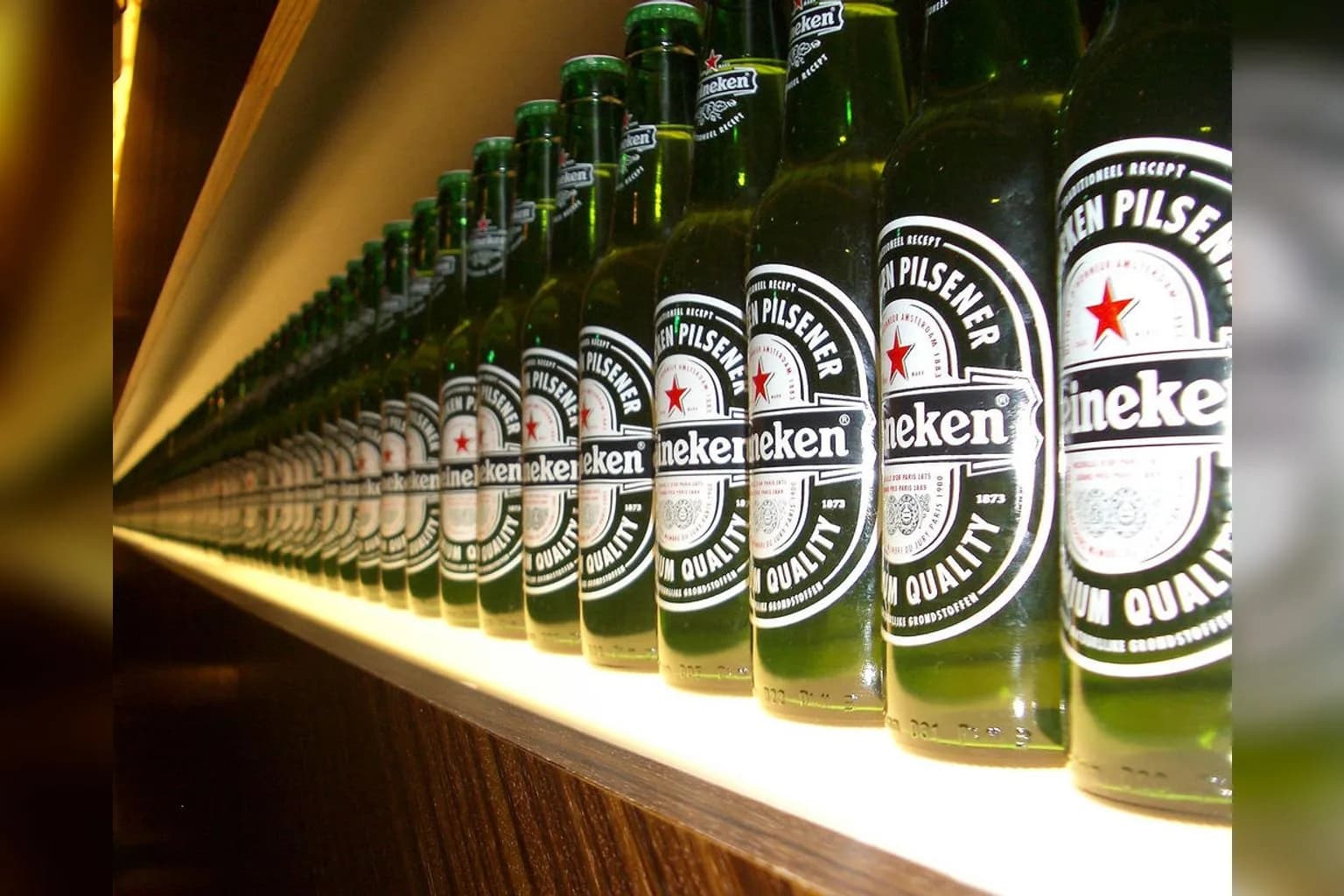
His experience is one Heineken is watching closely. The world's second-largest brewer, after AB InBev, warned British hospitality customers in a presentation sent in October that medicines including Ozempic and Wegovy could reduce the desire to drink alcohol.
Heineken's calculation is fairly simple: a drug that leaves people feeling full may leave less room, and less appetite, for successive pints. Its presentation said GLP-1 users were drinking fewer pints in each session and that the multi-pint drinking session could become less frequent.
The document, revealed by Reuters, said pubs and bars risked losing customers and income without adapting.
The potential market shift is already substantial in the United States, where around 10 million people took drugs such as Ozempic and Wegovy last year, according to JPMorgan research. Circana found that households with GLP-1 users spent 7% less on alcohol each month and 13.5% less on beer after two years of treatment than households without users.
Surveys by Circana, NIQ and KAM have all pointed towards lower alcohol consumption among GLP-1 users. Ten of the eleven users interviewed by Reuters said they had cut their drinking, sometimes sharply, because alcohol brought discomfort or indigestion, or because the desire to drink had faded.
Joseph Schacht, a professor at the University of Colorado Anschutz, directs a randomised clinical trial examining how the drugs affect people with alcohol use disorder. He said trials had consistently shown reduced cravings and consumption among people with that disorder.
For British pubs, the concern reaches well beyond a change in portion size. Beer sales in pubs, bars and restaurants came to almost £14 billion in the year to February, Heineken said. Less than £300 million of that came from no- and low-alcohol products.
Heineken, which owns brands including Amstel, the Mexican lager Sol and Strongbow cider, has advised venues to promote half pints, low- and zero-alcohol drinks, and drinks paired with small plates of food. The company said GLP-1 users were making more purposeful choices, choosing smaller serves, lower-alcohol drinks and more premium products rather than simply replacing alcohol.
A Heineken spokesperson said: 'We see some changes in consumption behaviour among (GLP-1) users and will continue to monitor how these behaviours evolve in 2027'.
Rival producers are less convinced that the effect will transform beer sales. Diageo told investors any impact as GLP-1 drugs became mainstream should be manageable. Carlsberg told Reuters that available data did not support the view that weight-loss drug use was affecting beer-consumption trends.




Comments (0)