

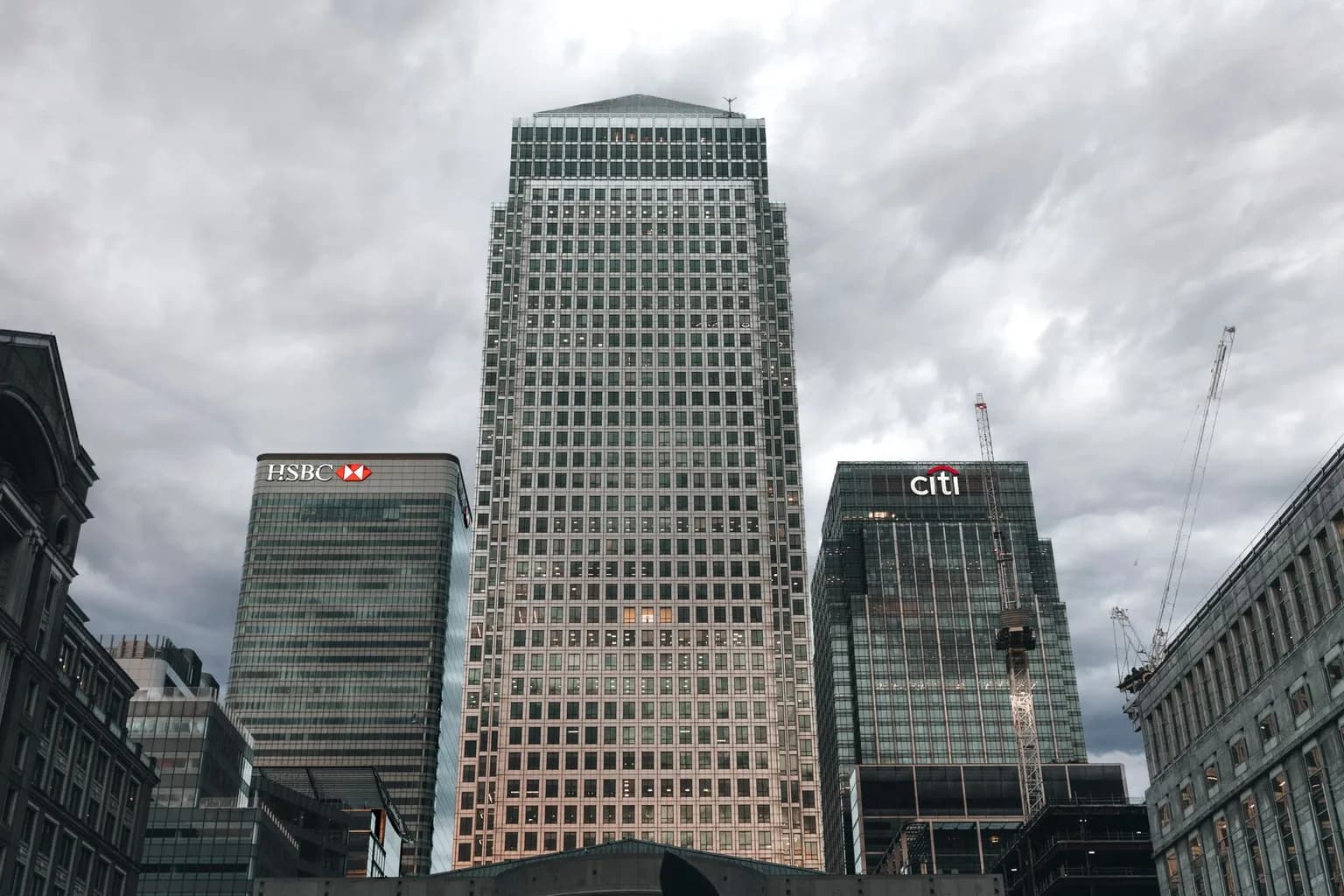
HSBC is reviewing the approach used by its Islamic Global Equity Index Fund after the $9 billion vehicle bought more than $130m of shares in companies linked to Israel’s military supply chain during the first half of 2026. The fund is the United Kingdom’s biggest Islamic law-compliant fund and is designed to follow a Shariah index.
The difficulty lies in the fund’s own screening rules. It is supposed to exclude businesses with significant exposure to weapons sales, and is overseen by an independent Islamic committee of two Muslim scholars.
In March, HSBC changed the benchmark used by the strategy, replacing the Dow Jones Islamic Market Titans 100 Index with the S&P Global 1200 Shariah Select Index.
Over the first half of 2026, the fund bought $38.3m of Palantir Technologies shares, $35.7m of RTX Corporation, $20.3m of Analog Devices, $18.9m of Honeywell International and $17.6m of Rolls-Royce Holdings. Together, the purchases in at least five companies linked to Israel’s military supply chain exceeded $130m.
Palantir announced a strategic partnership with Israel’s Ministry of Defence in January 2024 to support ‘war-related missions’. A United Nations report in June 2025 identified the company as expanding its support to the Israeli military since the start of the Gaza war.
RTX’s Raytheon business works with Rafael Advanced Defense Systems to make components and Tamir interceptor missiles for the Iron Dome air-defence system. Analog Devices International shipped components to Elbit Systems in August, October and November 2024.
In 2023, Rolls-Royce Solutions America received a US military contract to provide power packs for Israel’s Eitan vehicles.
The Middle East Eye and Hyphen first reported the fund’s purchases of shares in companies linked to the Israeli military.
Nest, the state-backed UK workplace pension plan, contacted HSBC to ask why Palantir appeared in the fund. Nest had around 40,000 members invested in the HSBC Islamic fund.
People’s Pension, which serves more than 7 million members, also contacted HSBC about Palantir’s presence in the portfolio.
Umer Suleman, a board member of Islamic Finance Council UK, said several investors had approached him with “outrage and shock” over Palantir’s inclusion.
Wahyu Jatmiko, a lecturer at the University of Southampton Business School, told Al Jazeera there were “strong grounds to criticise HSBC’s governance, transparency, and handling of investors’ ethical expectations”.
An HSBC spokesperson said the bank took clients’ concerns seriously and would examine the matter with independent expert advisers. The review will assess whether the fund’s investment approach still meets investors’ expectations, with HSBC saying it would communicate any necessary action to customers.




Comments (0)