


Florida Attorney General James Uthmeier has announced a lawsuit against First Street, arguing that the company’s climate-risk data is inaccurate. He said: “homeowners deserve facts, not alarmist scores that hit their property values and their wallets.”
The case comes as insurance analysts in the UK and Europe report pressure inside the industry to reduce their estimates of climate risk, lowering premiums and allowing firms to write more business. The Financial Times reported the allegations from five people working in insurance.
Industry insiders say climate projections receive a “haircut”, with managers, brokers and underwriters commonly seeking to shape risk models even where catastrophe risks are significant.
Whistleblowers say such pressure could create systemic risk. They contend that regions could ultimately become impossible to insure if underwriting does not properly account for the threats.
A legal opinion provided to the British financial regulator FCA says the allegations, if established, could amount to serious regulatory breaches.
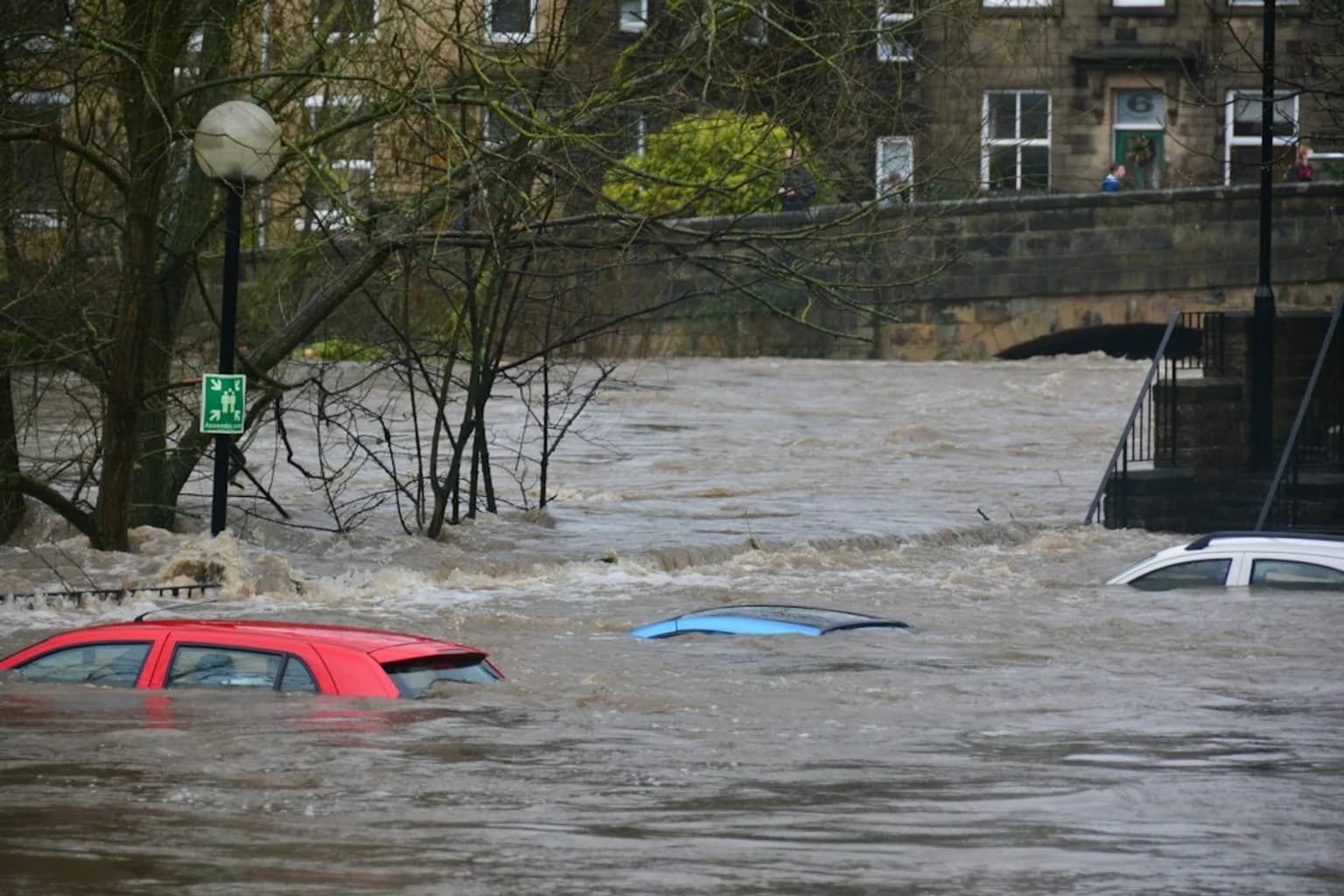
The dispute in Florida concerns a company whose scores have become part of the property and insurance marketplace. First Street uses computer simulations to estimate address-level exposure to floods, wildfires, extreme heat, high winds and other perils. It turns those assessments into scores from 1 to 10 and distributes them through real-estate websites.
After its first major report in 2020, Zillow, Redfin and Realtor.com began incorporating First Street’s ratings. Insurers also use the company’s data, so its disputed scores could affect the price residents pay and whether they can obtain cover.
Florida says it is facing an insurance affordability crisis, with prices rising sharply. Its complaint accuses First Street of “climate chicanery”, “marketing fear to advance a climate activism agenda”, and making money from information about “fake” risks.
There are competing concerns over the quality and availability of climate-risk information. In 2024, Bloomberg reported that First Street’s detailed 2020 flood-risk assessment for Los Angeles aligned with an academic team’s map in only about one-quarter of places.
Madison Condon, a Boston University law professor, said she was uneasy about the way First Street had marketed its data. She also cautioned that lawsuits of this kind could discourage the publication of physical climate-risk information.
Other institutions have taken different approaches to the company’s data. Connecticut’s insurance department partnered with First Street to offer residents free checks of property risk, while Zillow later removed the company’s scores from listings after opposition from the California Regional Multiple Listing Service.
Nebraska filed a case against First Street in August.





Comments (0)