

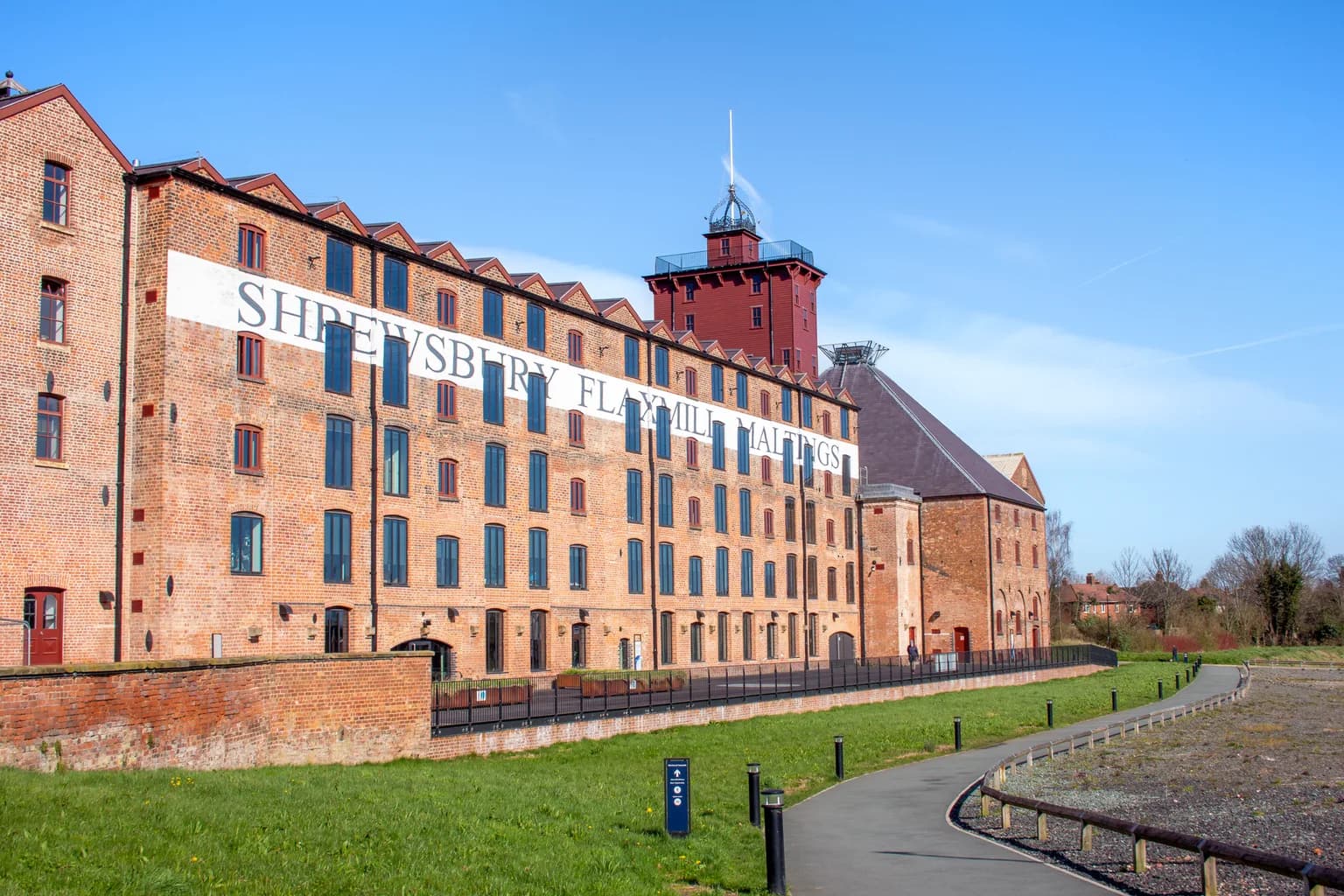
Inside a new gun hall in Telford, a specialised machine raises the pressure inside a gun barrel to about 15,000 times the air pressure at sea level. On Thursday, Defence Secretary Wes Streeting, General Sir Roly Walker, the Chief of the General Staff, and Rheinmetall chief executive Armin Papperger gathered there to open the facility.
The opening returns tank-gun barrel production to Britain after a 20-year absence. Streeting said the government was committed to manufacturing weapons at scale.
The Shropshire factory was built by the German defence company Rheinmetall to make barrels for artillery and British tanks. Production began eight months after the initial agreement.
For the past 20 years, Britain has had to buy tank barrels from abroad. UK artillery production had already ended in 1967.
Russia's full-scale invasion of Ukraine in 2022 exposed weaknesses in Nato defence supply chains and manufacturing capacity.
In 2024, Keir Starmer, then prime minister, and the German Chancellor Olaf Scholz signed the Trinity House Agreement, committing the two largest military spenders in Europe to closer defence co-operation. The agreement was signed in October 2024 as a commitment to improve bilateral co-operation between the UK and Germany.
Papperger said Rheinmetall began investing in Telford after a handshake with Walker before Christmas 2024, rather than waiting for a formal contract. Walker attended Thursday's ceremony and stressed the importance of artillery and weight of fire on modern battlefields.
Rheinmetall took over the Telford facility in Autumn 2025. It converted an empty building into an operational manufacturing site in eight months, according to Rebecca Richards, the managing director of Rheinmetall UK.
Production lines started making breeches and breech blocks in May, followed by barrels in June.
The gun hall stands on an 11,500 square metre site in Telford, which Streeting described as a town synonymous with engineering and manufacturing.
It will produce barrels for German-made self-propelled remote-control howitzers using Nato-standard 155mm ammunition. The hall is also expected to make 120mm tank barrels in future.
At full capacity, the facility will be able to make 245 barrels a year and 50 breeches. Rheinmetall employs about 685 people across its Telford operations, including 35 in the gun hall, with the gun-hall workforce expected to reach 100 as production develops.
British workers trained at Rheinmetall's site in Unterlüß, Germany, learning precision manufacturing, quality assurance and specialist weapon production.
Rheinmetall says a barrel made at Telford should withstand as many as 4,000 shots. A Russian barrel can fire about 500 times before breaking.
The site received support through a £53m contract awarded in March by OCCAR on behalf of the British Army for RCH 155 weapon systems. Of that sum, £30m was allocated to developing the Telford Gun Hall.
Rheinmetall has invested more than £200m in its UK operations over the past five years. Papperger said the company was also exploring expanded ammunition production in the UK.
Ministry of Defence figures published in August showed that jobs supported by defence spending in weapons, ammunition and military fighting vehicle manufacturing rose by 51 per cent in 2024/25, to 5,900. The government's Defence Investment Plan commits £298bn to defence over four years.
Rheinmetall's market value rose from about €4.2bn (£3.5bn) in the days before Russia's invasion to €47bn on Wednesday.





Comments (0)