

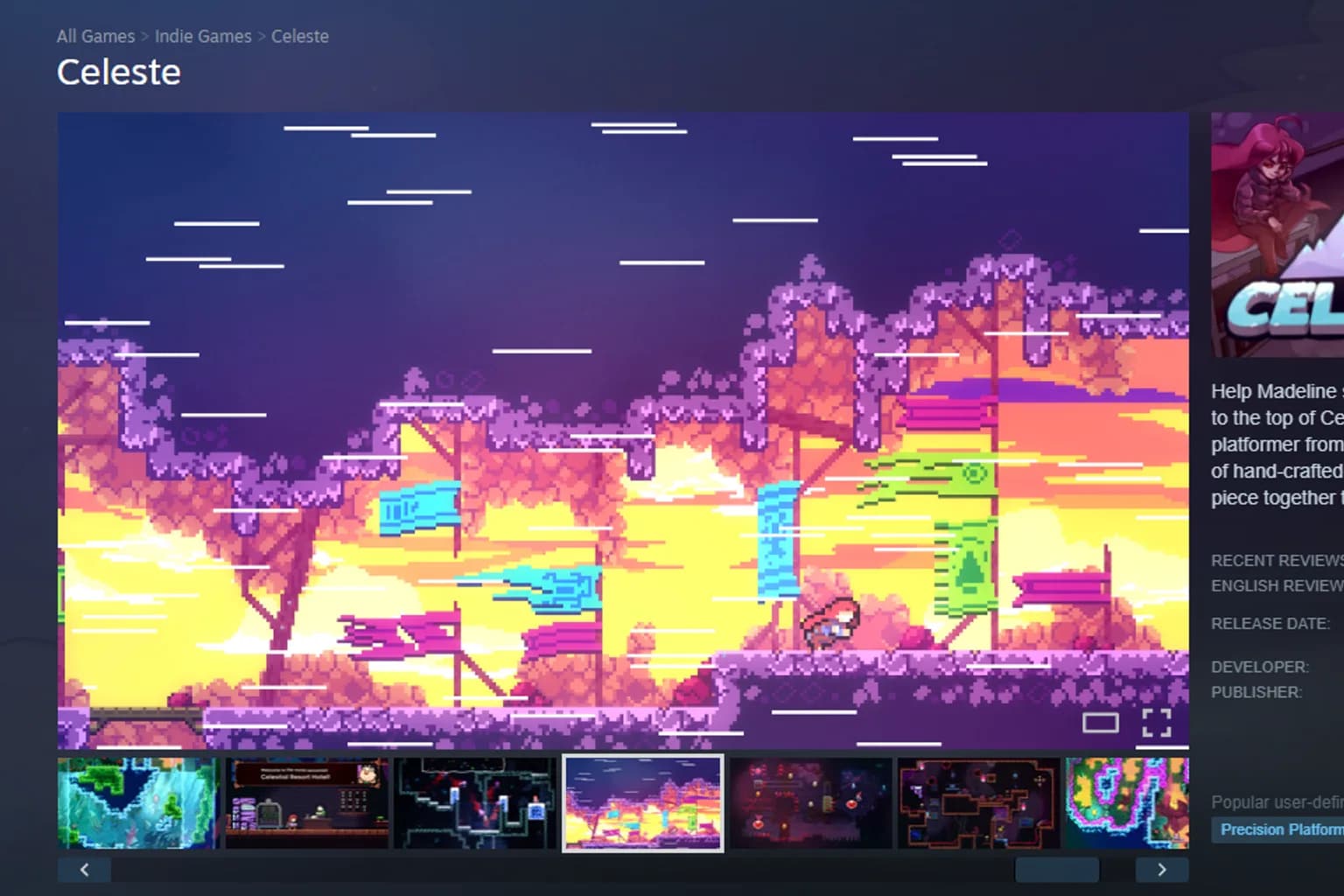
PC game developers who bypass Steam risk losing “the vast majority of sales”, Kiaran Ritchie says, while Steam takes a 30% sales cut.
Ritchie attributes that bind to the platform’s vast audience. Developers may appear to be paying for Steam’s infrastructure, he said, though “in reality it is purely to get access to the massive Steam userbase”.
Ritchie, a former principal animation engineer at Epic Games, made the case in a thread on X, formerly Twitter, which received 393.1K views. “I don't have a dog in this fight. I'm not even in the industry anymore,” he wrote.
Steam sits amid dozens of PC game stores, yet reached 43.5 million concurrent users at its October peak. Players have built up game libraries on the platform, a habit Ritchie described as a “fanatic obsession with 'muh Steam library'”.
Ritchie said the software itself was somewhere between “not that hard” and “trivial”: “a download service attached to a payment processor with a smattering of services on the side”.
Steam’s appeal, in his account, lies in the accumulated convenience of those libraries. “Steam users love Steam and having their whole library in one place. It works. It's dependable. It has sales, and cards, and achievements, oh my!” he said.
That attachment, Ritchie argued, shuts out competitors regardless of their merits. “Even if an alternative were objectively better, by whatever metric you care about, it would still be of no interest to Steam users,” he said.
He said users’ loyalty and network effects were the barriers developers identified when discussing alternatives. “Competition in this space is not only uninteresting to most Steam users, it's actively denigrated,” he said.
“They played Capitalism so well they broke it,” Ritchie said of Valve.
His criticism is financial as well as technological. Ritchie said the 30% cut is “siphoned out of the PC games industry into a black hole”, and argued that Valve “could easily lower the distribution fee while maintaining healthy margins”.
He said the industry needed a distribution platform that would let developers retain their revenue. “if devs could actually keep their earnings, we'd have a greater selection of better games and far more financial success stories”, he said. Steam users, he added, would “benefit the most from a better financed game development ecosystem”.
Ritchie also said the dependency makes some developers reluctant to say so openly. “I know many indie devs who are afraid to speak up about it,” he wrote.
Tim Sweeney, the chief executive of Epic Games, replied that Ritchie was “exactly right”. Epic Games has been in a years-long battle to reduce the cash marketplaces take from digital sales.
Emmanuel Rosier, director of market intelligence at research firm Newzoo, gave a similarly bleak assessment to GamesRadar+. “As long as Valve is independent and not a publicly traded company,” he said, Steam appears impossible to overthrow as the de-facto PC gaming marketplace.
Ritchie’s own conclusion was starker still: “I don't think this is fixable. It's just sad.”





Comments (0)