
The Choice at Wako
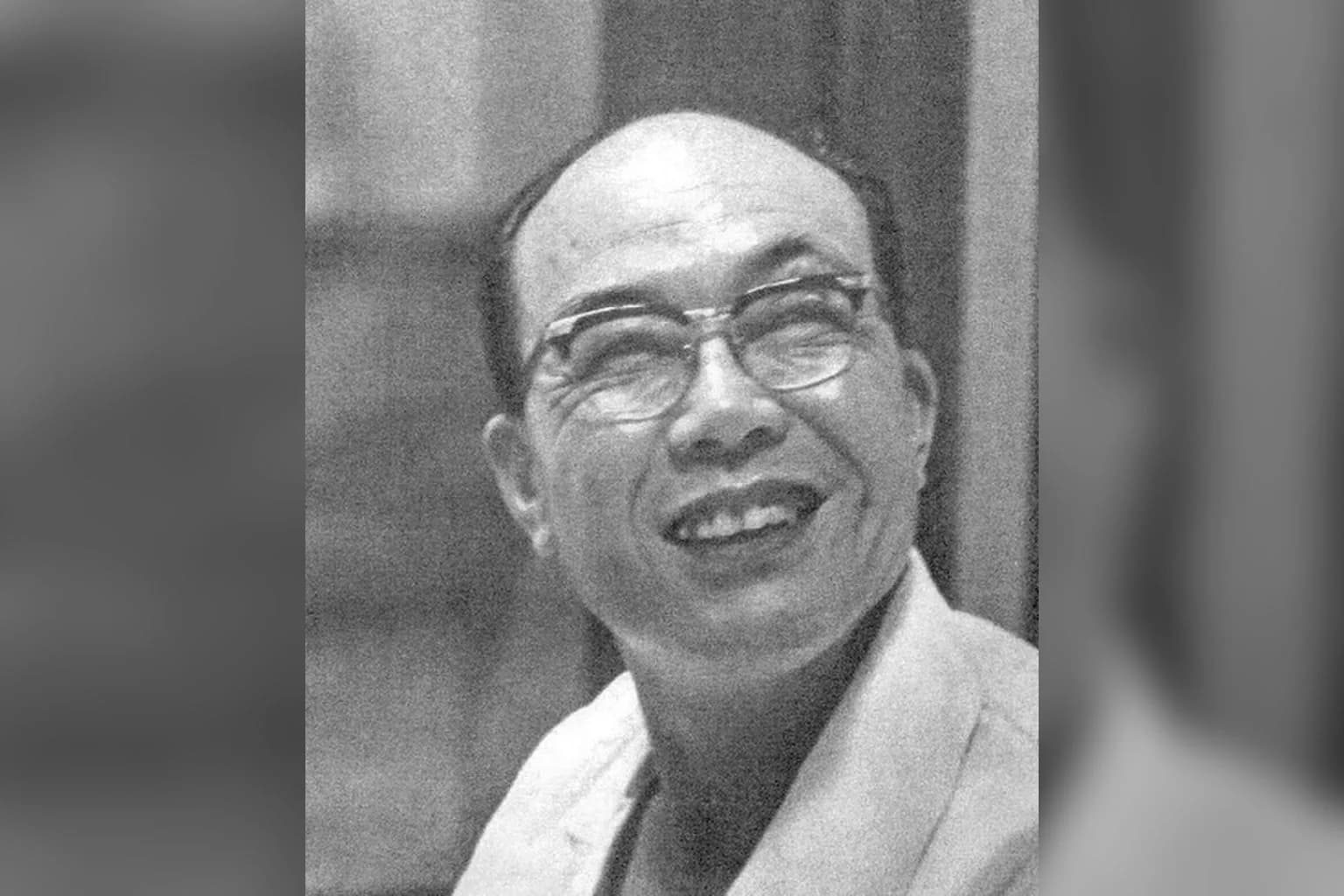
Masami Suzuki called a meeting at Honda’s Wako R&D Center in 1970 while the company was struggling, and the discussion came to rest on the man who had built it. Takeo Fujisawa, Soichiro Honda’s partner on the business side, asked a question with two jobs inside it: “Mr. Honda, do you want to stay with Honda as president of the company, or do you want to stay as an engineer?”
Honda sat silent for a time. Then he answered, “I will stay as president.” The answer came from a man who said, “I think best when I have a wrench in my hands.” Fujisawa had spent years giving that instinct a commercial shape, turning a builder of engines and parts into the leader of a large company.
By 1970, Honda had already taken a company born from surplus wartime equipment into motorcycle markets around the world. It had become the world’s largest motorcycle maker by 1964, entered Formula One that year, and won the Mexico Grand Prix in 1965. Honda’s old attraction to racing had grown into a business that employed engineers, managers and factory workers, each depending on decisions made far from a workbench.
Fujisawa’s question carried Honda back to the skill that had set his life in motion: finding the fault in a machine and staying with it until it worked. How did Soichiro Honda turn repeated engineering failures into a world-leading motorcycle company?
The Garage That Fell Down
Soichiro Honda left Hamamatsu for Tokyo in 1922 at fifteen and joined Art Shokai as a mechanic’s apprentice. He came from a family of blacksmiths: his father, Gihei, ran a blacksmith’s shop and repaired bicycles, and the bicycle trade magazine Ringyo no Sekai carried the advertisement that brought the Tokyo garage to his son’s attention. Art Shokai belonged to Ikuzo Sakakibara, whose shop gave Honda a place inside the young automobile trade.
Cars were scarce in Tokyo during Honda’s apprenticeship, yet the work drew him toward the engines he wanted to understand. The city gave him a harder lesson on September 1, 1923, when the Great Kantō Earthquake struck Tokyo and the surrounding region. The earthquake destroyed Art Shokai’s repair shop, and nearly all its employees resigned and returned to their home regions.
Honda remained with the trade as Art Shokai rebuilt. The work became busy after the earthquake, when Japan invested in mechanized mass transit and repair skills came into demand. Honda had been passed over for military service when he turned twenty because he was colorblind, and by twenty-one he had become a master mechanic.
Sakakibara then gave Honda the chance to carry that skill home. In 1928, Honda received permission to return to Hamamatsu and establish an independent branch of Art Shokai. Honda opened the Hamamatsu branch under the same name, beginning his own garage with the backing of the man who had hired him in Tokyo.
Repair work taught Honda to deal with the result of someone else’s manufacturing. A customer brought in a damaged part, Honda found the failure, and the machine had to leave in working order. The job made him familiar with the limits of engines as well as their possibilities, and racing offered him a faster, riskier way to test both.
The Three Rings
Honda entered the inaugural race at Tokyo’s new Tamagawa Speedway in June 1936. During the race, he flipped his car three times and was thrown from the wreck.
He settled on piston rings, small engine components whose value in the late 1930s exceeded that of silver. Honda opened Tōkai Seiki, the Eastern Sea Precision Machine Company, to manufacture them.
Toyota gave him the first hard measure of that challenge. Honda submitted fifty piston rings to the young automaker for inspection, and only three passed. Forty-seven failures made the gap visible between a skilled mechanic’s first attempt at manufacturing and the precision Toyota demanded from a supplier.
Honda responded by enrolling part time at Hamamatsu Technical High School, later the engineering department of Shizuoka University, and studying engineering for two years. He also toured factories to study Toyota’s quality control, including the five whys.
War soon gave that problem a brutal urgency.
The Machine That Could Repeat It
Honda developed automated machinery in 1941 that changed what Tōkai Seiki could produce. The machinery enabled unskilled volunteer laborers to mass-produce high-quality piston rings meeting Toyota’s standards.
The rings went into Toyota trucks, warships of the Imperial Japanese Navy and warplanes made by Nakajima Aircraft. Nippon Gakki, now known as Yamaha, also approached Honda for help designing high-speed milling machines to make steel propellers for the Army Air Corps.
Wartime control changed Honda’s own place inside the company. The government took control of the business, Toyota acquired a 40 percent stake, and Honda became senior managing director. His machinery made precision work available to workers who had never mastered the trade in the way he had, while the company itself came under forces far larger than its founder.
Destruction followed production. A B-29 raid destroyed Honda’s plants in 1944, and an earthquake in early 1945 destroyed them again. Tōkai Seiki’s factory also suffered destruction in an air raid shortly before the war ended.
After the war, he sold what remained of the company to Toyota for 450,000 yen and said he would take an extended break from work. Japan’s industries had been badly crippled by bombing, and the country faced the difficult years of Allied Occupation.
Five Hundred Engines
Honda established the Honda Technical Research Institute on September 1, 1946, beginning again in a tiny shack. The first problem was direct: find a way to move people with materials left by the war. Honda acquired surplus Tohatsu radio-generator engines and fitted 500 of them to bicycles, using hot-water bottles as fuel tanks.
Honda had lost a factory built around piston rings; he now worked from a stripped-down combination of bicycle and generator engine.
In October 1946, the institute succeeded in producing a two-stroke, 50 cc A-Type motorized bicycle. Honda’s first complete vehicle used an engine converted from a power generator for a military radio transmitter.
The institute gave Honda a product, yet a product also required sales, money and an organization able to survive rapid growth. Takeo Fujisawa entered at that point. Fujisawa had been born in Tokyo in 1910, worked as a salesperson for a Nihonbashi steel distributor, and established Nippon Kiko Kenkyujo in 1939 to make cutting tools. He knew manufacturing and he knew the work around manufacturing.
Honda incorporated Honda Motor Company with Fujisawa running the business side in 1949. That year the company released the D-Type, its first Dream. Honda could focus on machines and production while Fujisawa took responsibility for making the company cohere around them, a division that would carry the pair through growth and repeated strains.
Fujisawa Builds the Frame
Fujisawa brought a different kind of discipline to Honda’s ambitions. The company’s machines came from Soichiro Honda’s willingness to attack difficult technical problems, while Fujisawa handled the commercial work that allowed those machines to reach buyers. Their partnership gave Honda room to keep building, and it gave the business a partner who could press him when the founder’s instincts and the company’s needs pulled in different directions.
Honda’s appetite for larger goals appeared clearly in 1954, when he issued a declaration to his workers that the company would enter the Isle of Man Tourist Trophy motorcycle race with the intention of winning. A company that had begun with bicycles, generator engines and hot-water bottles was now publicly setting its sights on one of motorcycle racing’s major contests. Honda’s earlier crash at Tamagawa had become part of a larger competitive ambition.
The company’s language also looked outward. Honda Company News No. 23, published in January 1956, printed a pledge: “Maintaining an international viewpoint, we are dedicated to supplying products of the highest efficiency, yet at reasonable prices, for worldwide customer satisfaction.” Kiyoshi Kamiya, who handled administrative affairs and wrote the Company Principle for publication, said he had simply written down the sort of things Honda said and thought every day.
Employees saw the contrast between ambition and surroundings. Kimio Shinmura remembered “cutting-edge machinery in a run-down factory building” and wanted to join Honda so strongly that he left his first job in midstream. Kiyoshi Kawashima later described Honda’s batting average over 25 years as low: “He either hit a home run or was struck out.”
Fujisawa’s task involved turning those swings into a company capable of making many machines well. In 1959, Honda sent a production engineer named Takao Shirai to Europe with an instruction that captured both the uncertainty and the confidence of the enterprise.
A Ticket to Europe
Honda called Shirai at the Yamato Plant in January 1959. Shirai had just resolved an early problem with the Super Cub and finished preparations for expanded production. Honda told him, “You’re going to Europe for a while,” then told him to figure out a purpose and decide the length of his stay himself.
Shirai first needed permission from the Ministry of International Trade and Industry. Officials turned him away twice. On his third attempt, Shirai said Honda would soon earn foreign currencies, that its motorcycles could be exported to the world, and that he would kill himself if the project failed. The ministry granted permission, and Shirai left with a round-trip air ticket, no foreign currency, and expenses advanced by a trading company importing machine tools.
Shirai traveled through Germany, Switzerland, Italy and England, observing plant facilities, personnel management, pay systems, traffic conditions, parking practices and fashions. He spent three months away. His assignment began with a broad order to look, and he returned with a study of factories as well as the streets, people and habits around the vehicles those factories supplied.
While Shirai was in Europe, Honda began considering locations for a new Super Cub plant. Its site criteria put people first. Shiozaki recalled Honda saying, “Before land and water and electricity, see, it’s people. We’ll choose the people who live in the location.” The company examined sites in Takasaki, Utsunomiya, Inuyama and Suzuka.
At Suzuka, Mayor Ryuzo Sugimoto received the Honda party in work clothes and gaiters rather than a suit. Shirai recommended Site B over Site A, whose long narrow shape made it poorly suited to manufacturing and future expansion. Honda said, “I think so, too.” Fujisawa answered, “Then let’s settle on that site,” and declared the new plant would be “of a kind never seen before anywhere in the world.”
The President’s Answer
The scale Fujisawa imagined at Suzuka arrived quickly. Honda became the world’s largest motorcycle maker by 1964. Its entry into Formula One that year and its victory at the Mexico Grand Prix in 1965 placed the company in competitions far beyond the races Honda had entered as a garage owner. The founder’s technical judgment now operated through factories, production engineers and a worldwide business.
That growth brought Suzuki’s 1970 Wako meeting back into focus. Fujisawa asked Honda whether he wanted to remain the company’s president or stay as an engineer. Honda had spent his career using engineering to answer failures: the forty-seven rejected piston rings led him to study and redesign production; the wartime losses led him to fit generator engines to bicycles; the expanding motorcycle business led him to send Shirai across Europe and build a new plant.
Honda chose the presidency because the company now needed him there. He continued to understand his work through the wrench in his hands, yet he accepted responsibility for the organization that had grown from those hands. Fujisawa’s question gave him no easy refuge in the workshop; it required him to choose the job that held together the people, plants and machines his ideas had set in motion.
Fujisawa announced in 1973 that he would step down, and Honda promptly decided to resign alongside him. The two partners left together, twenty-four years after they had joined a maker of motorized bicycles and named its first motorcycle the Dream.




Comments (0)