

Rwanda and South Africa face the loss of duty-free access to the US market from 1 January 2027 under a programme that permits eligible African countries to export thousands of products to the US without tariffs.
The Trump administration said its decision followed findings that both governments were pursuing practices inconsistent with the African Growth and Opportunity Act’s eligibility criteria. It cited barriers to trade and investment, along with practices it said threatened US national security and foreign-policy interests in the region.
The Office of the United States Trade Representative announced the decision on Monday after leading its annual interagency review of sub-Saharan African countries’ eligibility for AGOA.
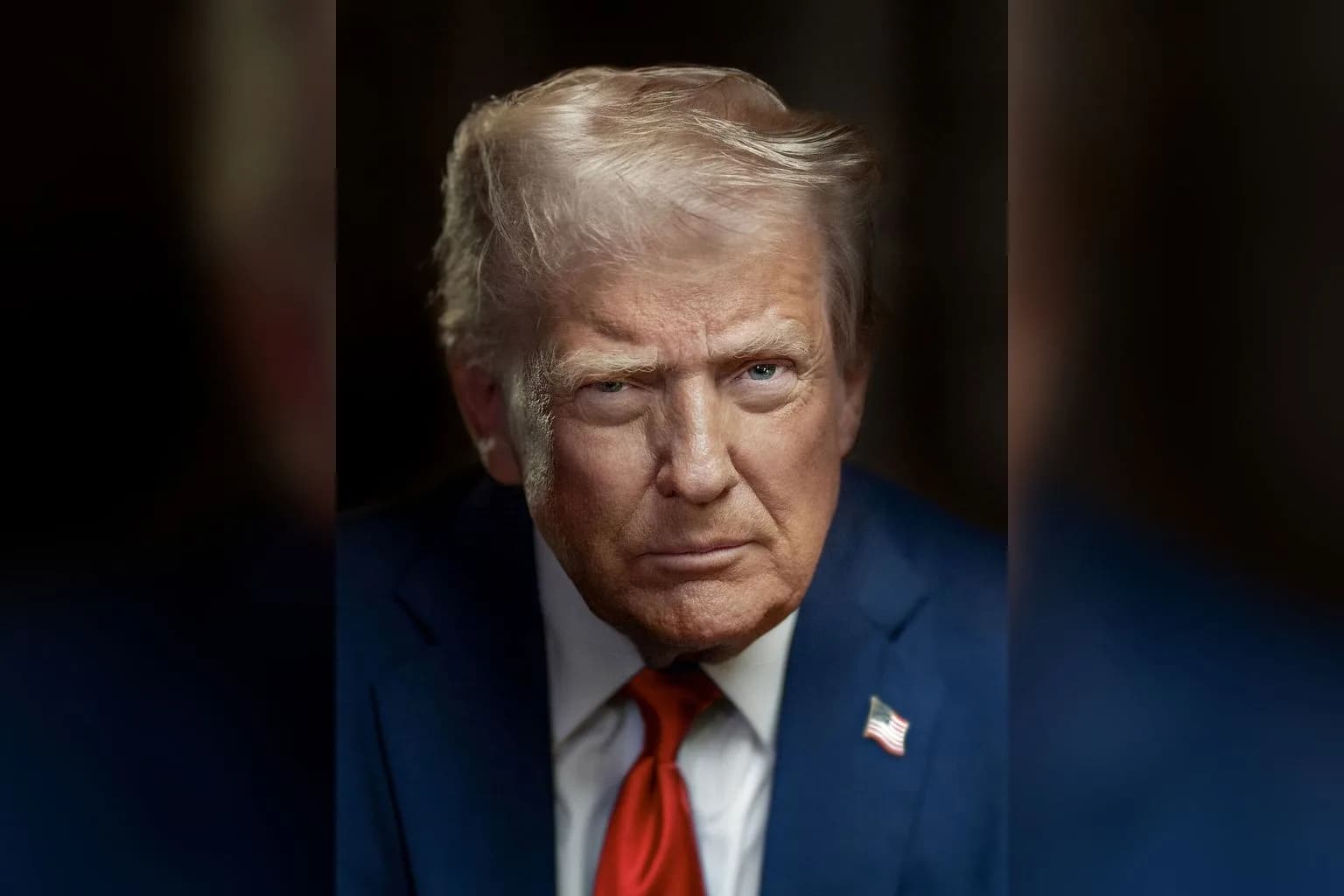
President Trump then notified Congress and the governments in Kigali and Pretoria separately of his intention to terminate their participation in the programme.
Jamieson Greer, the US Trade Representative, issued a statement after the notification. He said the administration was working “to ensure African partners take the necessary steps to meet the eligibility criteria.”
Washington’s concerns about Rwanda cover trade and investment barriers, the rule of law, political pluralism, internationally recognised worker rights, human rights and threats to US national security and foreign-policy interests, the administration said.
Rwanda’s defence ministry has been sanctioned by the US Treasury over its alleged role in the armed rebellion in eastern DR Congo. The Treasury said the ministry directed thousands of troops to fight alongside M23 rebels, while providing weapons, equipment, logistics and training.
For South Africa, the administration pointed to barriers to US trade and investment, corruption, and threats to US national security and foreign-policy interests.
South Africa had lobbied hard to keep its AGOA access and has a 60-day window to engage US officials before any formal suspension takes effect.
Leo Brent Bozell III, the US ambassador to South Africa, said the result was regrettable. Writing on X, he called it a “predictable and preventable outcome resulting from South Africa's government rejection of real concerns raised by the US.”
Parks Tau, South Africa’s trade, industry and competition minister, told local exporters on 29 October that the economy remained stable, resilient and prepared for any outcome.
The immediate trade exposure is limited by the way South African goods already enter the US. Roughly 89% of its exports to the United States are covered by standard World Trade Organization Most-Favoured-Nation terms.
Exports using AGOA preferences are valued at $1.7 billion (about R28 billion), equal to 10% of bilateral shipments and 1% of South Africa’s total global exports.
Trade between the United States and South Africa reached $28.8 billion (about R475 billion) in 2025. South Africa also supplies 12 critical minerals to the United States.
The decision comes after a strained period in relations between Washington and Pretoria. Last year, Trump accused South Africa of white genocide during a White House meeting with President Cyril Ramaphosa.
Germany has recently overtaken the United States as South Africa’s second-largest trade partner.





Comments (0)