
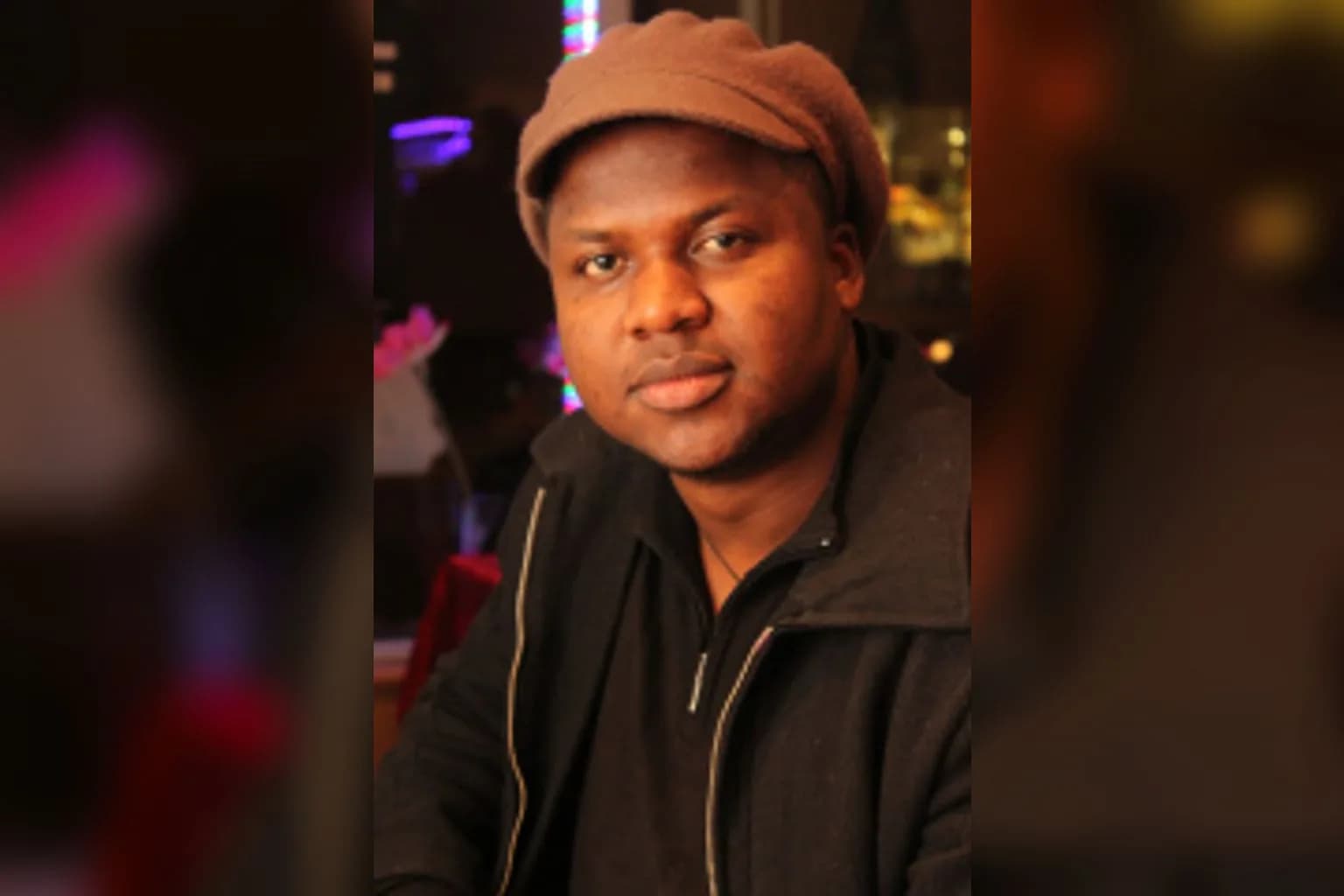
Thélyson Orélien said he began writing his first novel in late 2017, “on the corner of a table”, and finished a first draft of more than 300 pages in 2019. The 38-year-old Haitian-Canadian writer had left Haiti after the 2010 earthquake.
That book, It Was Either That or Die, has now cost him his publisher. Boréal, the Montreal-based Canadian publisher, said on Wednesday that it was ending its professional relationship with Orélien after an outside analysis found AI tags in the metadata of some draft documents.
The publisher said artificial intelligence had been used during the writing process. It said it could not establish the extent of that use, adding: “we will likely never have a definitive answer”.
Orélien’s novel, originally published in French as C’était ça ou mourir, follows a Haitian migrant who leaves home for Canada. It was published in spring 2026 and had been scheduled for translation in more than 20 countries.
The dispute broke into public view on 21 September 2026, while Orélien was on a press tour in France. An anonymous X account posted screengrabs of excerpts it had run through the AI detector Pangram, which indicated a 100 percent probability of computer-generated text. Orélien has since returned to Quebec.
That day, the novel won the Prix du roman Fnac. It was later withdrawn from the shortlist for France’s Goncourt prize after the AI detection results.
Pangram’s assessment was itself categorical. According to the detector, the novel was “100 per cent” the work of generative AI.
Orélien initially dismissed the allegation as “slander and heresy”. He said: “Here and there I did use tools for research, particularly for foreign idioms. But not a single sentence in this book was created by a machine, nor the meaning or the structure of a story that comes from my gut”.
He later told the French newspaper Libération that he had used AI “in the creative process” for “historical research”.
Last week, Boréal said it stood by the author while it investigated further. Its co-director, Renaud Roussel, said: “I have to trust him”.
The publisher then commissioned an external examination of all working versions of the manuscript. It found traces of AI tags in the metadata of certain documents, though Boréal has not said how the technology was used at different stages of the book’s development.
Orélien subsequently said he would provide no further information about the writing process.
Boréal said its decision rested on trust between author and publisher. It will not reprint It Was Either That or Die or publish further books by Orélien.
The author has also acknowledged separate plagiarism allegations involving earlier work. He called them “unacceptable” mistakes from his youth.
The anonymous account that made the initial allegation had five people behind it, French columnist Samuel Fitoussi has said, identifying himself as one of them.



Comments (0)