


The Caine Prize for African Writing has upheld Simbarashe Kundizeza’s award after a month-long investigation found his winning story, The Blue Fighter, was human-written.
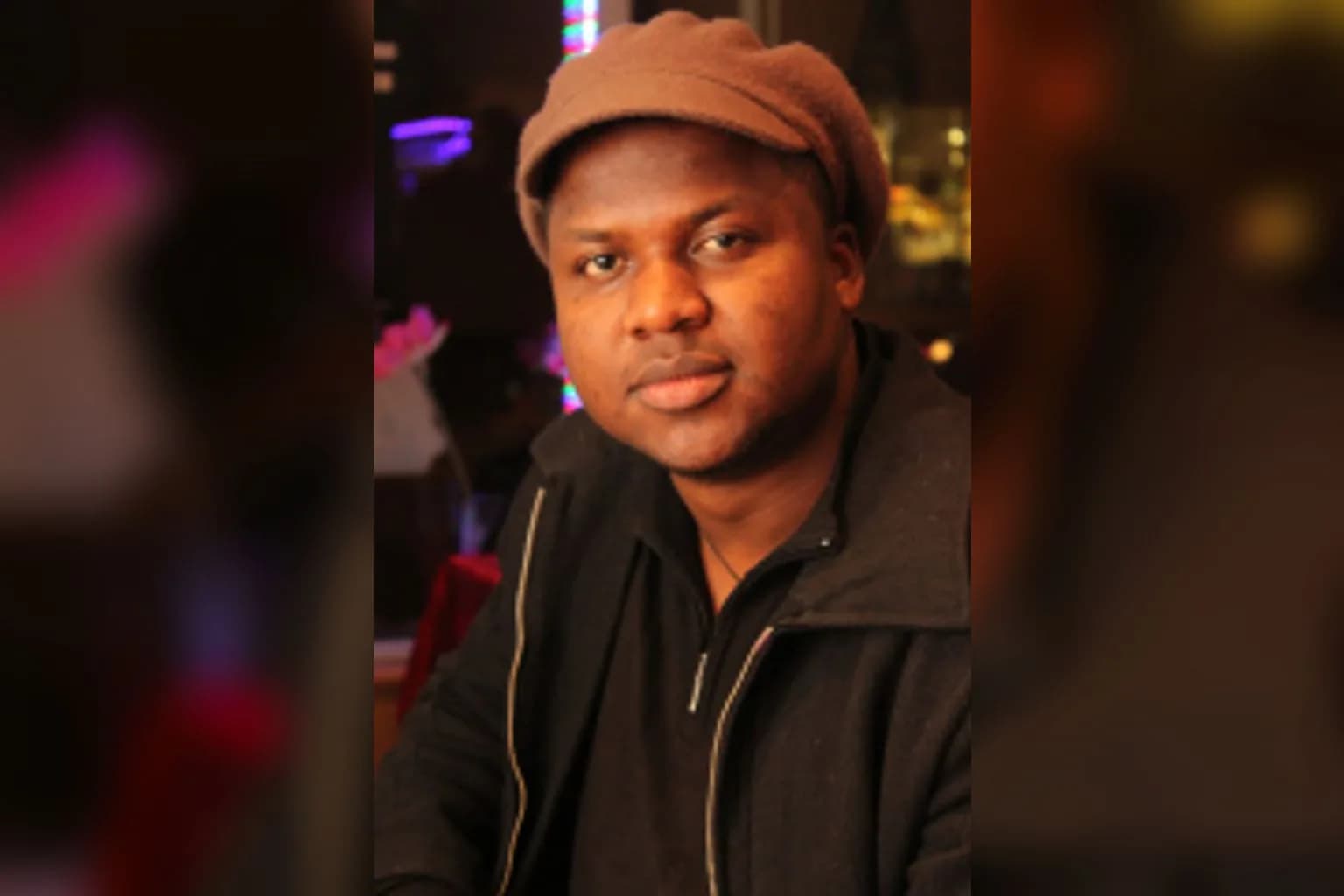
Kundizeza, a Zimbabwean author who lives in Harare, won the prize in October 2026. The award for The Blue Fighter was worth £10,000 ($13,000).
The case has led to social media debate over whether Black writers, and African writers in particular, face unfair scrutiny over accusations of artificial intelligence use. The prize has also introduced new requirements for publishers and shortlisted writers to declare AI use.
The prize announced The Blue Fighter as its winner on 6 October. Five days later, on 11 October, The Atlantic published an article by journalist Vauhini Vara titled ‘Yet Another Literary Prizewinner Seems to Be AI’.
The Atlantic article cited Pangram, software that indicated the story was almost entirely artificially generated.
Kundizeza strongly denied using generative AI to write the story.
Vara later told the BBC’s Front Row programme that every other previous Caine Prize-winning story she put through Pangram came out as 100% human.
The Caine Prize’s board of trustees began an internal review in response to the allegations. It interviewed Kundizeza, the 2026 judging panel and representatives of The Shallow Tales Review, the literary journal where the story was first published.
An independent cyber security and digital forensic investigator also analysed metadata from drafts written by Kundizeza.
Ellah Wakatama, chair of the board of trustees, said: ‘From our detailed investigation, we feel the evidence is clear: The Blue Fighter was human-written’.
She added: ‘We feel the evidence is clear and have made the decision that Simbarashe's award stands’.
Kundizeza said he was relieved that the allegations had been dismissed.
The prize’s new measures require AI declarations from publishers submitting stories and from all shortlisted writers. It has also introduced an AI use policy for guidance.
Kundizeza has called The Blue Fighter ‘a deeply personal story about economic collapse and familial relationships’.
He said the story grew from hearing the South African poet Vangile Gantsho read a poem at an event in Ghana about her father’s obsession with building fish tanks.
He combined that inspiration with fictionalised details from his own life in Zimbabwe during the country’s economic troubles in the early 2000s. The story follows a family whose fortunes decline after its father invests in fish tanks.



Comments (0)