

For people vulnerable to gambling harm, a free bet can be one more prompt to keep staking money they cannot afford to lose: problem gamblers are nine times more likely than others to be offered one.
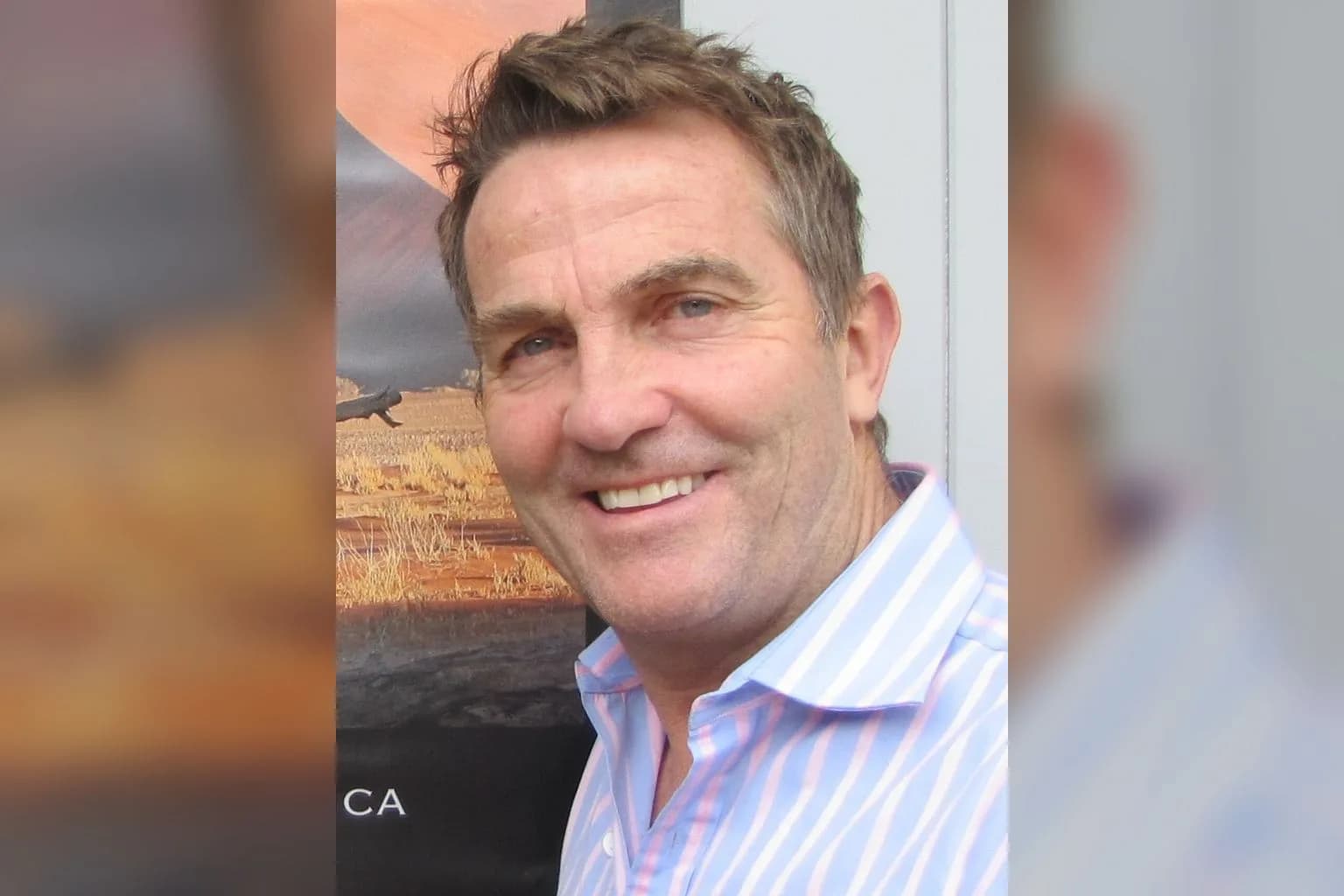
Channel 4’s Million Pound Shot was designed to highlight tactics used by the gambling industry, Bradley Walsh said after revealing that the apparent gameshow was a performance. Walsh told viewers that the techniques shown were legal, adding: “The chances you need to ask yourself are should they?”
The programme aired on Channel 4 on Sunday, 1 November at 9pm, presented at first as a conventional quiz in which contestants could win £1 million by gambling their own money. Channel 4 had promoted it as “a brand-new quiz where contestants can win a million”, with a “huge secret twist” and a “night of drama, tension and life-changing outcomes”.
In the studio, contestants used bank cards and chip and pin machines to put up their own cash for general knowledge questions. It was described as a UK television first.
Reece, a performed character played by George Reid, was presented as a teacher earning £30,000 a year. He said he planned to use money borrowed from friends, credit cards and loans. Mark, another performed contestant, said he would stake £1,000, all the money he had to his name.
Reece lost £2,400 and was in the red before he was offered a free bet for the million pound shot roulette game. At a crucial point, he said: “I can't really afford to lose £3,000”.
An audience member rose to challenge what was happening, shouting: “Is no one else here seeing what I'm seeing? Is there no one else that thinks this is wrong?” Reece and his girlfriend, Leslie, became distressed and were escorted from the studio.
The main studio audience did not know the events were staged. After the advert break, Walsh told them: “What you've just witnessed wasn't all what it seems. The whole thing was a performance. Everything you've seen tonight draws on the techniques used by the gambling companies to manipulate its customers.”
The contestants, their families, the floor manager and the heckler had all been paid actors. Walsh said: “Everything you have seen tonight draws on the techniques used by the gambling industry to manipulate its customers”. Of the subject the programme had dramatised, he added: “It's serious, it's real and it's happening now”.
Dr Steve Sharman, a psychologist, said the game’s “bet balls” reflected the way gambling companies can make money feel abstract. Half of the sector’s profits come from just 5% of its customers, while the industry spends at least £1bn a year on advertising in the UK.
The character of Reece drew on the experience of Patrick Foster, a former teacher who became addicted to gambling at university. Foster gambled every day for 13 years, built up nearly £300,000 in debt and, at one stage, held 76 accounts with different online platforms.
Foster won £58,000 and wagered it on a race at the Cheltenham World Cup. His final bet was in 2018. His wife, Charlotte, said: “The gambling industry has an awful lot to answer for”.
Will Prochaska, director of the Coalition to End Gambling Ads, said: “Even though I knew what was going on, it was distressing to watch”. He said the programme showed “the abusive tactics used by gambling companies to get people hooked, and the damage they cause to people and their families.”
A closing ident said Britons lost £17.5bn to gambling in 2025 and that one in every 11 suicides was linked to gambling.





Comments (0)