

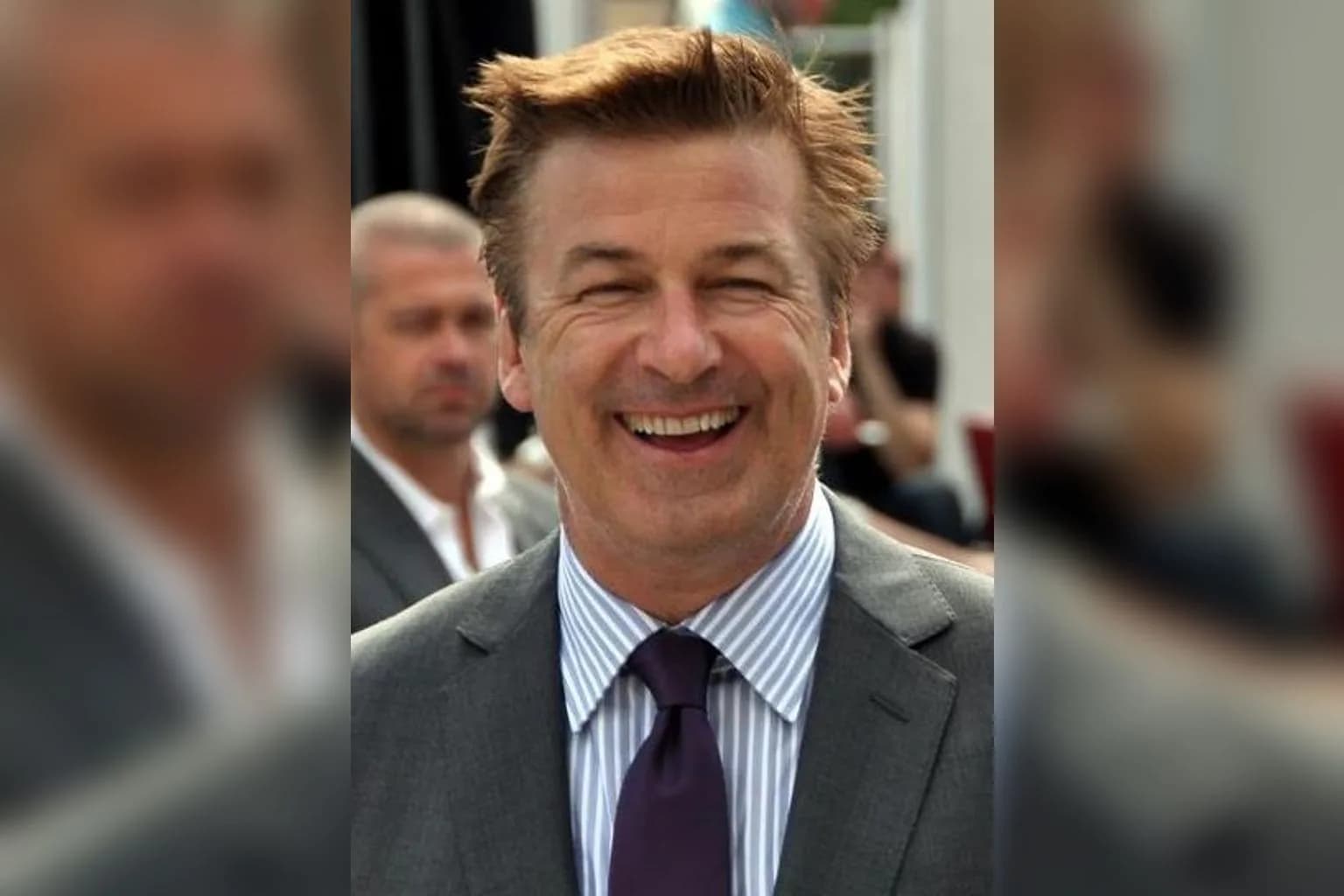
Halyna Hutchins was killed during a rehearsal for Rust at Bonanza Creek Ranch in New Mexico on October 21, 2021, when a live round was discharged from a prop gun held by Alec Baldwin. In the immediate aftermath, the shooting was widely understood as an accident and a traumatising event for those involved.
Rory Kennedy’s new documentary, The Trial of Alec Baldwin, returns to that moment and to the much longer public story that followed it. Released on October 1, the 111-minute film asks how a public figure’s image can affect proceedings meant to be impartial. It examines the distance between the evidence in a case and the narrative formed around a well-known defendant, including the effects of headlines, social media and paparazzi coverage on public judgment.
Its subject is Baldwin’s criminal case, which ended on July 12, 2024 when Judge Mary Marlowe Sommer dismissed involuntary manslaughter charges with prejudice. The judge acted after finding that law enforcement and prosecutors had withheld critical evidence, a box of ammunition, from the defence.
Kennedy, an Oscar-nominated and Emmy-winning documentarian whose work includes Ethel, Downfall: The Case Against Boeing and films about Abu Ghraib and the Vietnam War, had known Baldwin for years through occasional encounters. She gained access to him from the winter of 2023, when New Mexico filed criminal charges.
Baldwin initially resisted her proposal for a film. About six weeks or two months later, as he prepared to travel to Montana to resume Rust, he told Kennedy he was open to it. He was legally compelled to return to the production, and said he was completing the shoots and reshoots for the benefit of Hutchins’ young son.
Kennedy said she would proceed only on the condition that she had full editorial control, full access and that Baldwin received no payment. He accepted those terms immediately, and the finished documentary carries a title card saying he had neither editorial control nor compensation.
The film includes police body-camera footage from the set shortly after the shooting, as well as footage from the police station when Baldwin learned that Hutchins had died. Baldwin opens the documentary by saying, “Everybody wants to believe they have some control over their lives and how people see them.” Later, he says: “The worst thing for me is to be misunderstood.”
The shooting itself involved several people on the set. Assistant director Dave Halls handed Baldwin the weapon after declaring it a cold gun. Baldwin maintained in a 2021 ABC News interview that he had not pulled the trigger and did not know the firearm contained live ammunition.
What began as a workplace tragedy developed into a criminal case against Baldwin and the production’s armorer, Hannah Gutierrez-Reed. Gutierrez-Reed was found guilty of involuntary manslaughter in April 2024 and was sentenced to 18 months in prison.
Kennedy and her crew were with Baldwin when he went to Montana to finish Rust. Yet the documentary holds its own final stretch for the courtroom: Baldwin’s trial, which began in July 2024 in New Mexico, arrives only in the last 30 minutes. For much of the film’s second half, Hutchins’ name is absent and her picture is not shown.
At the trial, Baldwin’s defence argued that law enforcement and prosecutors had withheld critical evidence, including the box of ammunition. Sommer’s dismissal brought the prosecution to an end with prejudice. The conclusion then received less press attention after another major news event.
Kennedy’s film does not settle whether public opinion or online coverage caused prosecutors to bring the case. Its argument is narrower and more unsettling: public narratives can acquire a force of their own around a famous defendant, long before a court reaches a verdict. When Baldwin first watched the completed documentary, Kennedy said, he did not particularly like it.


Comments (0)