

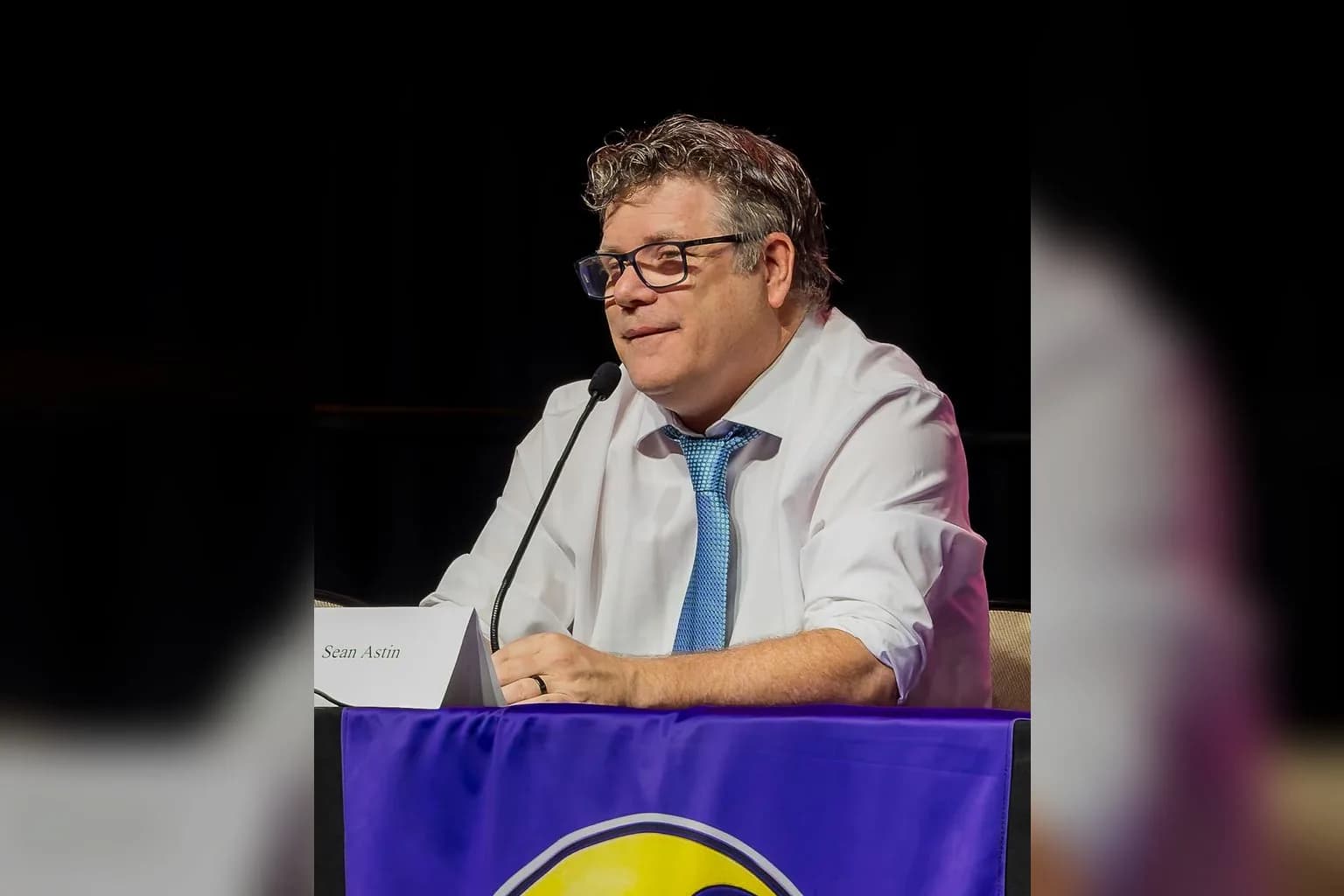
Speaking at SAG-AFTRA’s plenary at its Miracle Mile headquarters, the union’s president Sean Astin returned to the working actor who once could rely on residuals to fill the gaps between jobs. “I find myself thinking a great deal about the working-class actor who used to get hired consistently enough to build a life, someone who could earn a living, raise a family, maintain health coverage, and perhaps even retire with some measure of security,” Astin said.
That security is at the centre of an awkward measure of the union’s post-strike gains. Roughly $1.5 million from SAG-AFTRA’s streaming bonus fund will go to about 700 performers for work on high-budget SVOD projects released in 2024. Those recipients account for about 0.4% of SAG-AFTRA’s 160,000+ members, meaning less than 1% of the membership will benefit from this distribution.
The fund emerged from the 2023 negotiations with the Alliance of Motion Picture and Television Producers, or AMPTP, following a 118-day strike that ended with a tentative agreement on November 9, 2023. The deal secured gains in streaming residuals, protections concerning artificial intelligence usage and minimum wage increases.
The agreement created a streaming success bonus for high-budget SVOD titles that clear its viewership threshold. For a qualifying title, each principal performer receives a payment equal to 100% of the fixed residual. The performer receives 75% of that payment, while the remaining 25% goes to a fund overseen by SAG-AFTRA and AMPTP trustees for distribution among the rest of the union’s members.
Details of the performers who will receive this first set of bonuses are expected in the coming weeks. The available information does not identify the recipients or the projects that qualified.
More than 100,000 of SAG-AFTRA’s 160,000+ members are actors and performers. Astin said the union’s negotiated gains had restored only part of what residuals once provided. “Part of what once made that possible was residual income. For decades, it sustained actors and their families through the inevitable periods between jobs. Cable and then streaming steadily dismantled that system, and we've spent years fighting to reclaim it. What we've won back is substantial, but it's nowhere near what it was.”
For some members, the distance between a celebrated contract gain and everyday employment is measured in eligibility for health coverage. Drake Bell said he did not qualify for health insurance because he had failed to meet the required $28,933 in annual union-contracted income, despite having worked steadily for 35 years as a SAG-AFTRA member. In an Instagram Stories post, Bell wrote: “Do not become an actor. Do not join SAG. You can work steadily for 35 years and they will say [middle finger emoji].”
Cheyenne Jackson has launched a social media initiative, “ONE JOB AWAY”, to highlight SAG-AFTRA performers at risk of losing health coverage. The campaign comes as SAG-AFTRA is reckoning with declining membership linked to the domestic decline in television and movie production.
The union is also phasing out membership-dues relief measures introduced during the COVID pandemic and the 2023 strikes, with that phase-out due to end at the end of this week. At the end of October, it will return to its regular membership policy, under which members who have fallen behind on dues will be terminated.
The minimum earnings requirement for the SAG-AFTRA health plan will rise from $28,933 to 31,616 in 2030. Separately, the annual health reimbursement account allocation for senior performers with 20 or more retiree health credits will increase from $1,140 to $1,500. For those with fewer than 20 retiree health credits, it will rise from $240 to $312. More than 10,000 individuals will be affected by those health reimbursement account changes.




Comments (0)