
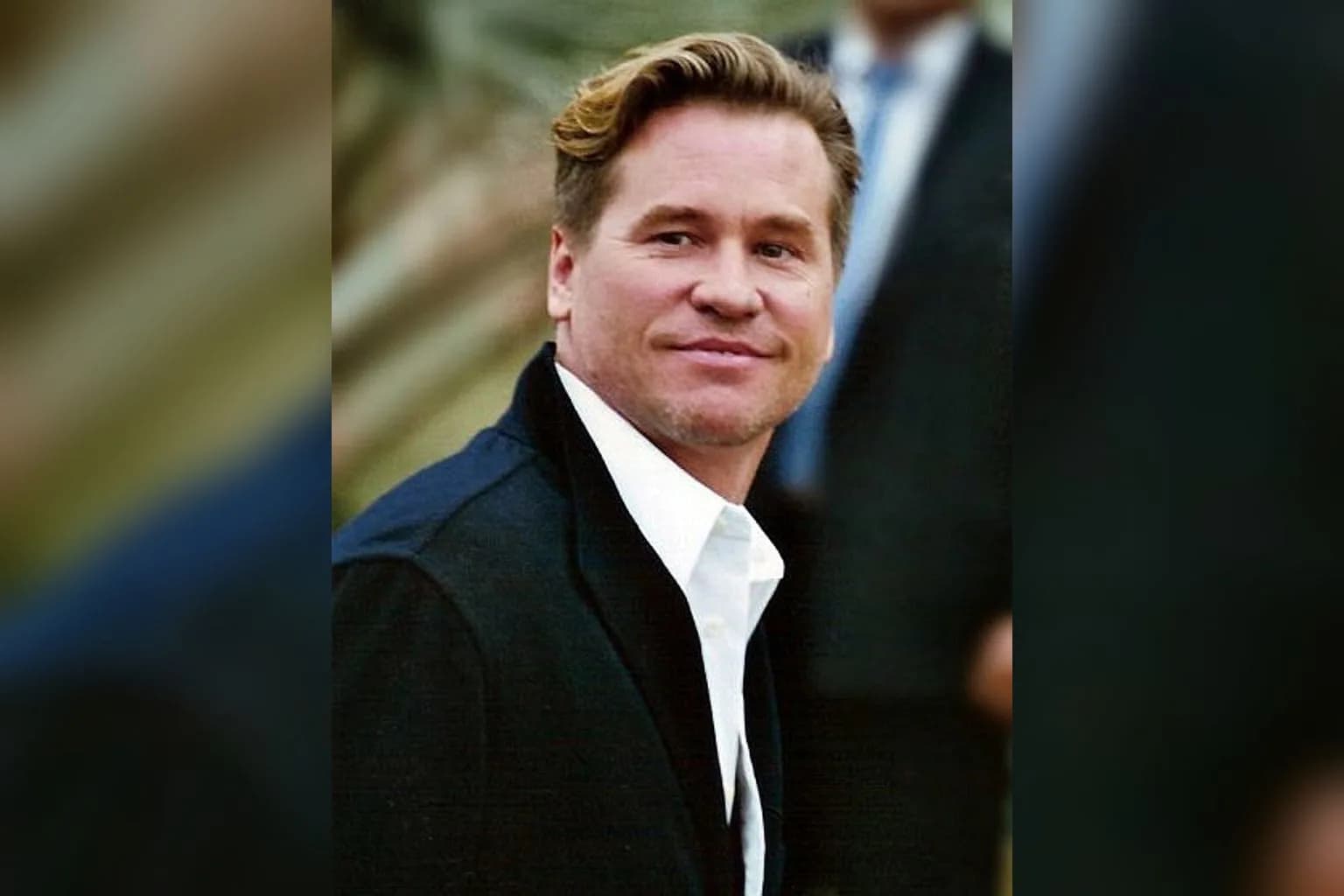
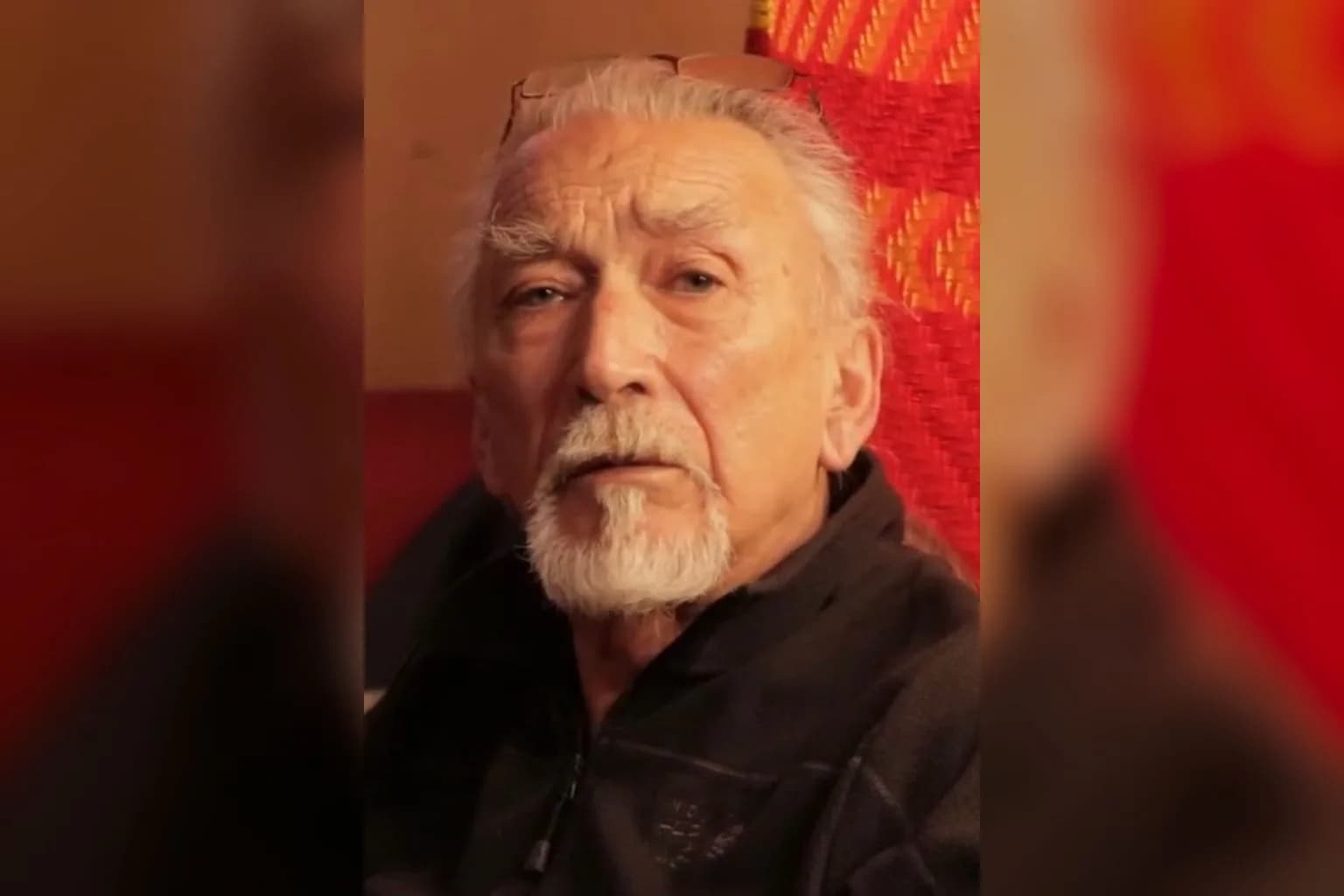
Val Kilmer had agreed to play Father Fintan in the western As Deep as the Grave five years before his death, in a part created for him by the writer and filmmaker Coerte Voorhees. The role reflected aspects of Kilmer’s Native American heritage, though health problems kept him from attending the filming. Kilmer died on 1 April 2025.
He is now in the film after all, as an AI-created younger version of himself. Voorhees used archive images and voice cloning, with authorisation from Kilmer’s family, to create the performance.
Mercedes Kilmer, the actor’s daughter, approved her father’s appearance and will receive his salary from the production. The estate said it had agreed because of Kilmer’s enthusiasm for technology that expands storytelling.
In the trailer, the digital Kilmer says: ‘Don't fear the dead – and don't fear me’.
As Deep as the Grave was offered to buyers at TIFF in 2026, placing Kilmer’s recreation before an industry that is also beginning to test entirely artificial stars.
Tilly Norwood, an entirely AI-generated performer, first appeared in an introductory comedy sketch and is due to make her feature-length debut in Misaligned. Emily Blunt called Norwood ‘really, really scary’.
The two cases pose different versions of the same question. Kilmer’s image comes with the permission of his estate and payment to his family. Norwood has no human career to revive. Both bring synthetic performance into narrative feature films, where actors’ work, control over a likeness and the value of a performance are at stake.
The Screen Actors Guild-American Federation of Television and Radio Artists, SAG-AFTRA, opposes the complete substitution of actors. In California, a law adopted in 2024 requires the agreement of a deceased person’s succession before their likeness can be used, subject to some exceptions.
Critics say the Kilmer recreation could set a precedent that endangers acting jobs and reduces opportunities for live performers. Many have called for a boycott of As Deep as the Grave.
For some estates, however, AI offers a way to return a deceased performer to the screen. Greta Garbo’s heirs authorised an AI recreation for an SKF advertisement nearly 36 years after her death. The advertisement used text prompts and a live actress whose image was overlaid with the AI-created Garbo, while a recording from one of Garbo’s early films was used to recreate her voice.
Craig Reisfield, one of three relatives who manage Garbo’s estate, had been her driver and saw her at family meetings when she lived in New York. He said: “I'm not saying no, especially after what I've seen. The effect is amazing and incredibly realistic. Why wouldn't we somehow restore Greta Garbo to a film role?”
Entirely AI-generated films are also arriving quickly. Higgsfield AI released Hell Grind, a 95-minute feature, in May, then released the 115-minute The Cully Hill Boys three months later.
Hell Grind took the equivalent of a fortnight for shooting and post-production, excluding script time. The Cully Hill Boys took the equivalent of a month, also excluding script time, and was assembled in 30-second chunks using the summer release of Seedance 2.5.
Voorhees wrote, directed and produced his first feature, The First Line, which Netflix acquired in September 2016. By 2023, he had written and directed Canyon Del Muerto, about archaeologist Ann Axtell Morris and her work with Navajo people in the 1920s. TIME named him to its 2026 TIME100 AI Innovators list as a writer and filmmaker.
The unanswered question is whether audiences will accept these performances at scale. For now, the experiment has moved beyond a technical demonstration: an estate has supplied consent, a family member will receive a salary, and two kinds of synthetic actor are headed into feature films.



Comments (0)