

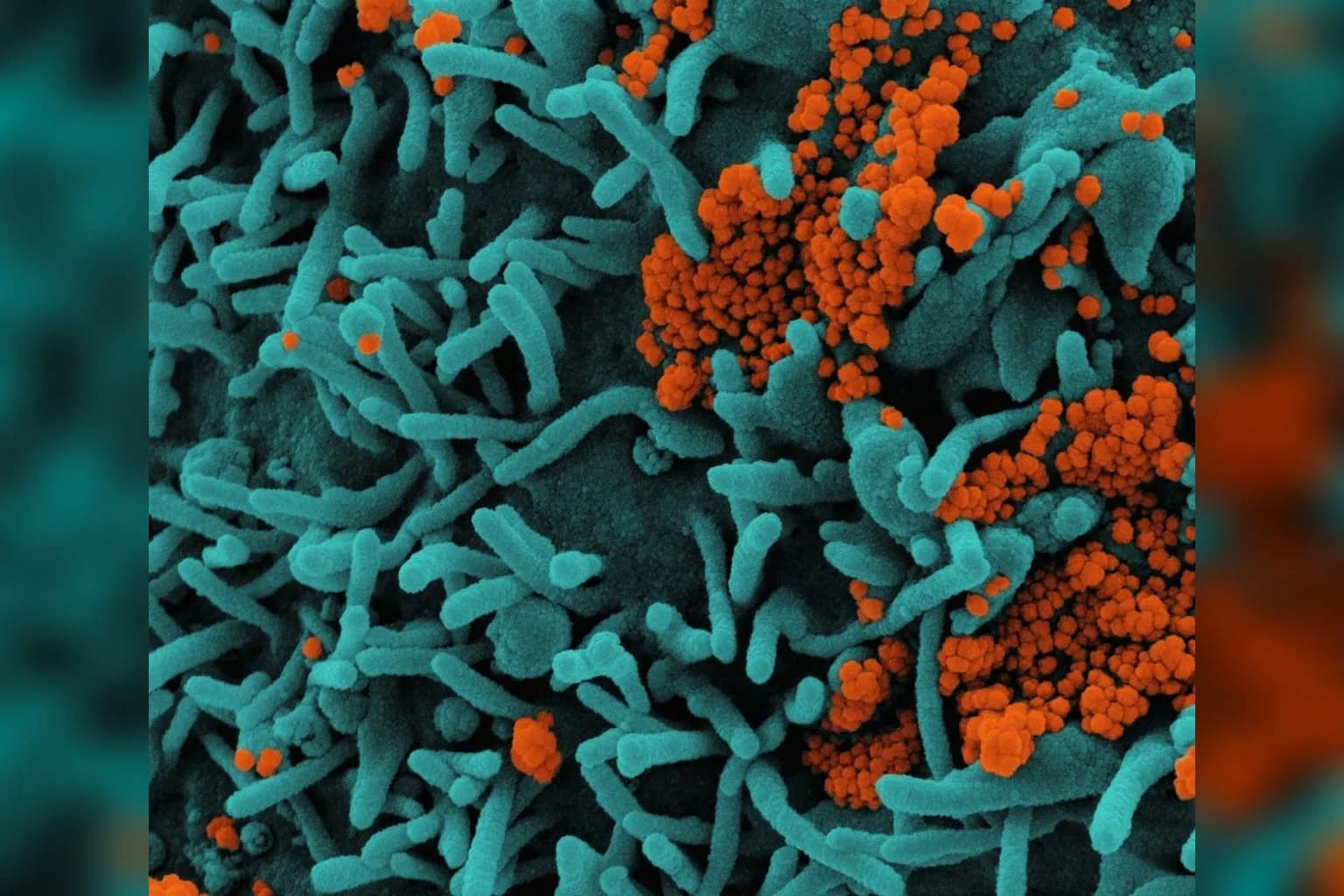
A patient with an antibiotic-resistant bacterial infection and very few remaining medical options was given an experimental cocktail of viruses designed by artificial intelligence, according to the San Francisco-based AI lab Radical Numerics. The company says this was the first administration of a cocktail containing AI-designed bacteriophages to a human under a compassionate-use arrangement.
Radical Numerics began by using Omnii-1, an AI model it publicly unveiled this week, to design viable bacteriophages aimed at the patient’s specific infection. Bacteriophages are viruses that specifically infect bacteria.
The company then tested the AI-designed phages against bacteria isolated from the patient’s infection. In laboratory tests, the cocktail containing Omnii-1-designed phage variants eliminated the patient’s antibiotic-resistant isolate.
Radical Numerics said the designs were synthesised and the investigational cocktail was subsequently administered to the patient through a physician-led compassionate-use pathway. It announced the treatment this week, describing it as the first time researchers had administered AI-designed, bacteria-targeting viruses to a person.
The company has not identified the infection, the patient or the patient’s medical history. It also did not publish results from testing the phages in the patient, or disclose clinical outcomes, citing patient privacy.
The claim is awaiting scrutiny through a peer-reviewed study. If verified, the treatment could be the first known administration of AI-designed bacteriophages to a human patient.
Phages kill bacteria through several steps. A virus binds to receptor molecules on the target bacterium’s surface, enters the cell, uses it for replication and then breaks it open. Each phage acts only against particular bacterial strains or species.
Existing phage treatments require researchers to search large environmental collections for a virus suited to a patient’s infection, a process that can take time. Radical Numerics says AI-driven design could instead generate phages rapidly and on demand to meet individual patient requirements.
The company hopes to develop a process for designing and building phages tailored to individual bacterial infections. The stakes are high: antibiotic-resistant superbugs are projected to cause nearly 40 million deaths by 2050.




Comments (0)