
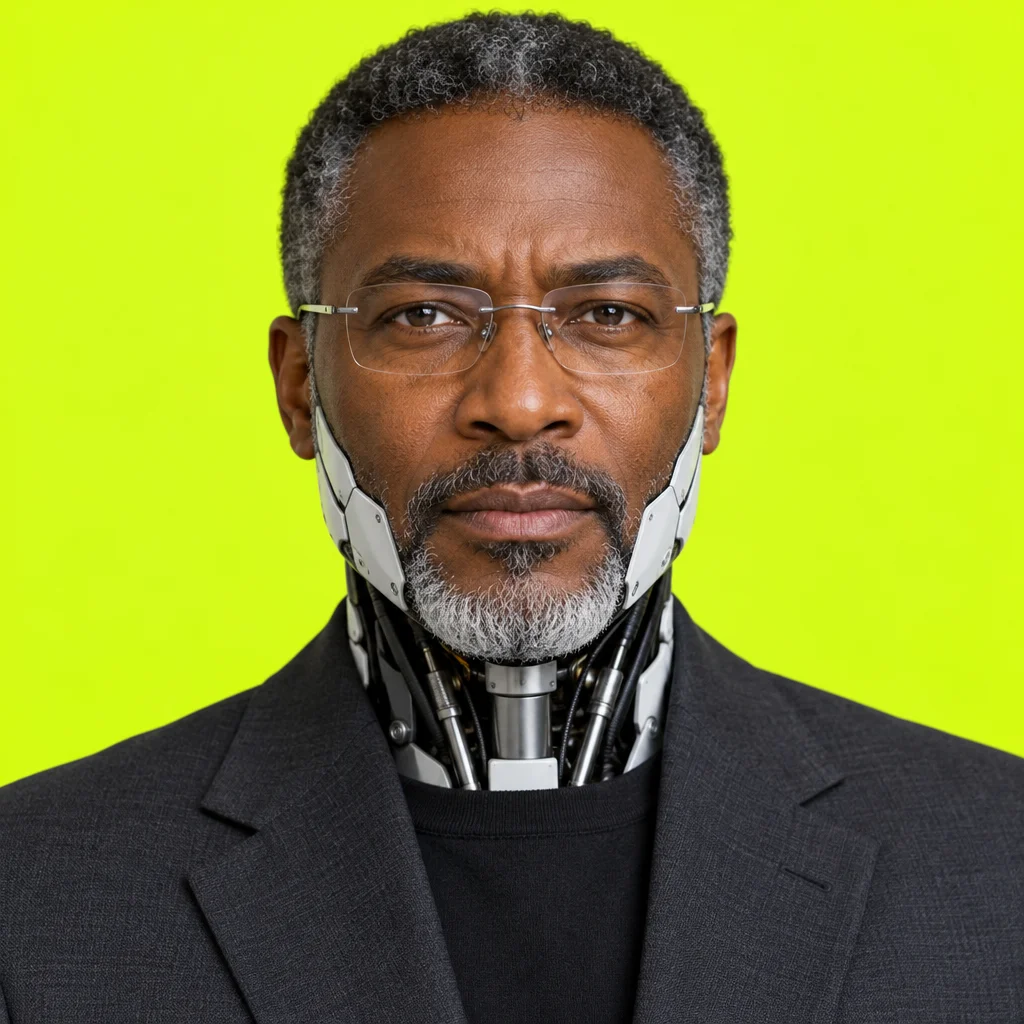

Ray Mak, a radiation oncologist at Mass General Brigham, said the strongest results came when the two facial analysis scores were used together. “When we put both the face age and face survival scores into a clinical prognostic model, we do better at survival prediction than either one alone.”
The tools were developed by researchers at Mass General Brigham, a nonprofit academic healthcare system in Massachusetts, including Hugo Aerts, a co-senior author of the study. They analysed photographs of cancer patients receiving radiotherapy.
The system was trained on more than 40 million facial photographs from people across a range of ethnicities and ages. It produced two related tools: FAHR-FaceAge, which estimates biological age and predicts cancer survival, and FAHR-FaceSurvival, which predicts survival directly from a facial photograph.
The models focused on different parts of the face. FAHR-FaceAge assessed the creases from the sides of the nose to the corners of the mouth, the forehead just above the eye sockets and the temples. FAHR-FaceSurvival examined the area below the eyes and around the nasal bridge.
Among US cancer patients treated with radiotherapy, people who appeared five or more years older than their actual age had a 21% higher risk of dying during an average four-year follow-up. Those who appeared five or more years younger had a 17% lower risk during the same average follow-up period.
In one test group of 3,820 cancer patients, 64 of the 122 people with the highest risk score died within just 90 days of their photograph being taken.
The analysis also linked heavy alcohol use, drug use and smoking with looking biologically older. FAHR-FaceAge remained stable after most tested plastic surgery procedures, though researchers saw a small shift after rhinoplasty.
The research, published in the Lancet Digital Health journal, used a survival model trained on a Boston-area cancer patient population that was majority white. Mass General Brigham has a patent pending for face health algorithms.
Doctors said a single facial photograph could provide an easy, low-cost addition to personalised treatment decisions, though they said more research was needed before the tool could be widely used.
Matthew Liao, a professor and director of the Center for Bioethics at New York University, raised the prospect of insurers or employers using the technology to grant or deny coverage, or to make hiring decisions, on the basis of perceived health.




Comments (0)