

People who had turned to SR-17018 to stop using other opioids have lost access to the compound, while human trials planned by its inventor have been blocked by federal restrictions.
In late August, the US Drug Enforcement Administration emergency-scheduled SR-17018 as a Schedule I controlled substance, placing it in the same legal category as heroin. The agency's notice said the compound had “no currently accepted medical use and a high potential for abuse.”
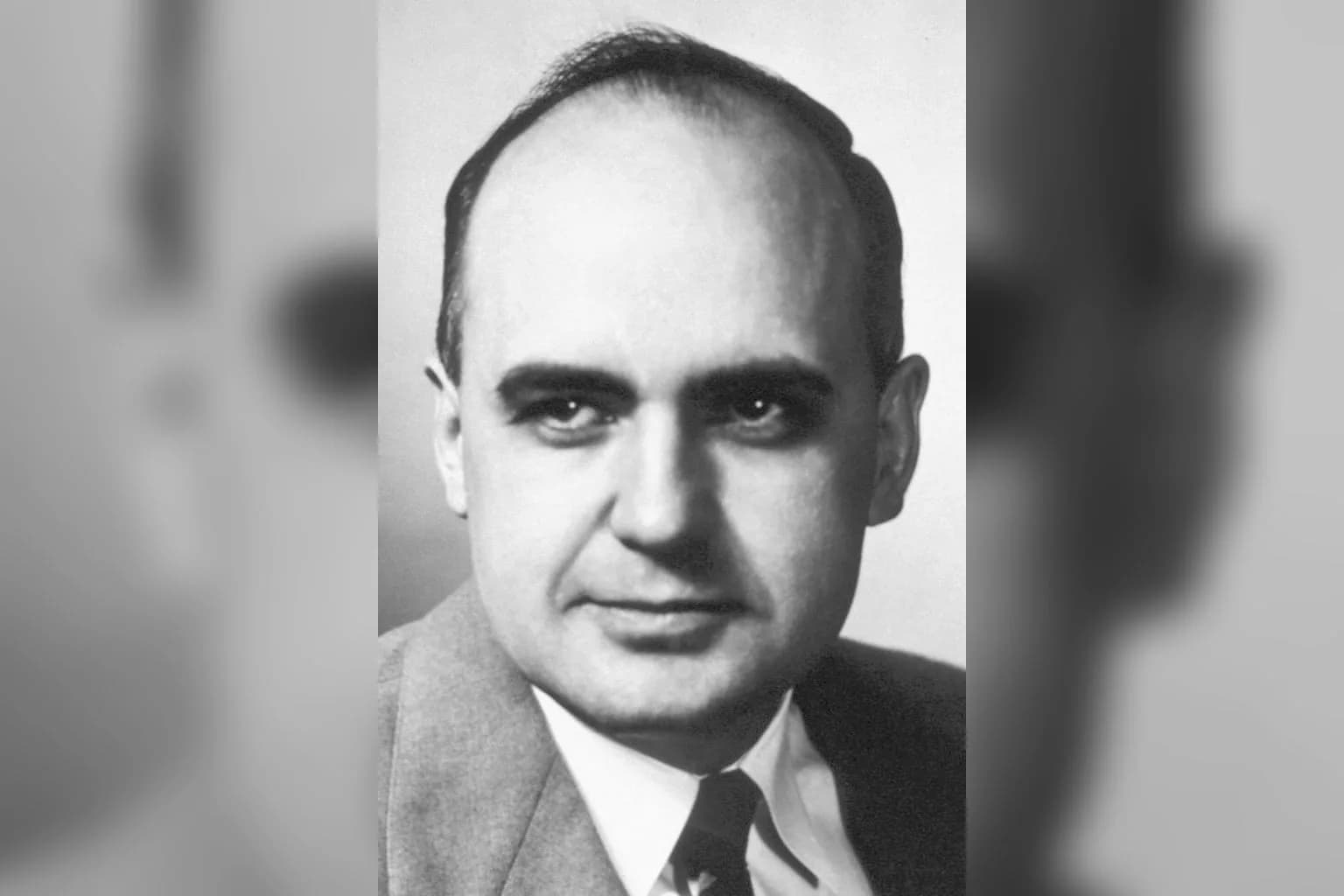
Laura Bohn, the Senior Associate Vice President of Research at University of South Florida Health and an opioid researcher who invented SR-17018, had been pursuing a different possibility. Her team reported in the journal Cell in 2017 that several compounds, including SR-17018, relieved pain in mice without respiratory depression.
The mice also did not develop a high tolerance to SR-17018. Mice already dependent on morphine could take it to reset their tolerance without painful withdrawal symptoms.
Those findings came from laboratory work, not human treatment. SR-17018 has been studied extensively in rodent models and in one primate study, yet it has never been formally studied in humans.
Bohn had been trying to begin clinical trials in people when the DEA acted.
Before then, SR-17018 was not federally controlled and could be bought online with relative ease. Some people struggling with opioid dependence began using it on their own.
Jim Bates, a 53-year-old kitchen manager from Duncan, Oklahoma, had been hooked on various opioids since he was 25. About two years ago, he became addicted to 7-OH, a concentrated compound found in kratom.
About 11 months ago, Bates started using SR-17018 to quit MGM-15. He said he tapered off MGM-15 in about three weeks.
Michael, a former 7-OH user, used SR-17018 to quit that habit in January. He had tried to quit using 7-OH at least five previous times before using the compound.
These accounts describe individual experiences rather than clinical evidence. The outcomes for Bates and Michael after the ban are unknown.
The DEA found two samples of SR-17018 in two states since 2025 through the National Forensic Laboratory Information System.
Robert Rush, executive director of the nonprofit Rights and Reason Project, filed a request seeking to stop the emergency scheduling. He said SR-17018 had not been implicated in emergency room visits or overdose deaths.
Rush also said there is no opportunity for a judge to review the DEA's decision during the emergency scheduling period. The order will last two years and can be extended for one year.
Soren Shade, a representative of Top Tree Herbs who is challenging the DEA's action, said animal studies had not shown the tolerance development associated with traditional opioids. Shade said the DEA provided “zero evidence for public harm or potential for abuse” in its scheduling notice.
Schedule I status subjects substances to the most restrictive federal controls and can dramatically complicate scientific research. For Bohn, that leaves the central question unanswered: whether results seen in animals can be safely reproduced in people.




Comments (0)