

Dr. David Berman, Moderna’s chief development officer, was involved in reporting results from Madrid for a personalised cancer vaccine that the companies say has reduced the risk of melanoma returning or causing death after surgery. Patients given the vaccine alongside Keytruda had a 42% lower risk over two years than those given a placebo vaccine and Keytruda.
Moderna and Merck reported the top-line findings on 22 October 2026 from a trial involving more than 1,130 people with Stage 2B to Stage 4 melanoma. Every participant had already had their tumour surgically removed.
Some patients received intismeran autogene, an individualised mRNA therapy made from the genetic sequence of their own tumour. It is designed to attack the unique tumour mutations known as neoantigens. They received the vaccine once every three weeks for up to nine doses, together with Keytruda, a checkpoint inhibitor, every six weeks for up to nine cycles, over about a year.
The comparison group received a placebo vaccine with Keytruda.
The vaccine’s effect appeared to emerge six months into treatment. Over the following two years, the companies said, the risk of recurrence or death was 42% lower among patients receiving intismeran than among those receiving placebo with Keytruda.
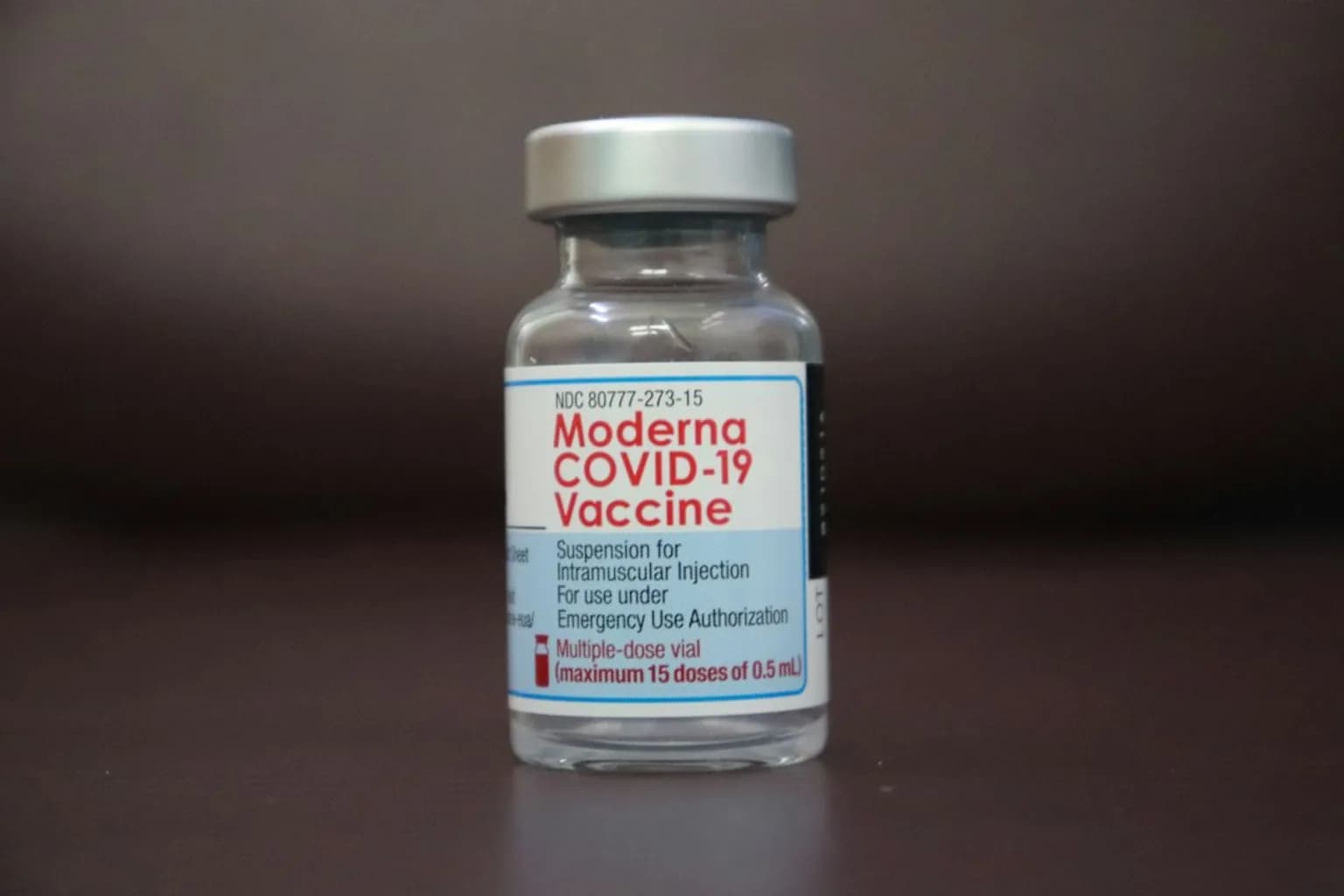
Intismeran is designed to train immune cells to identify 34 particular proteins on tumour cells. The mRNA carrying the code for those proteins is enclosed in a lipid particle, using an approach similar to Moderna’s COVID vaccine.
Scientists at Moderna can make a customised vaccine from a patient’s tumour within weeks. The wider approach relies on mRNA technology that enabled the rapid development of COVID-19 vaccines.
The result addresses a central problem after melanoma surgery: checkpoint inhibitors do not work for every patient. These drugs release the immune system’s brakes on cancer cells, yet about 30% of cancer patients respond to them.
An earlier Phase 2 study, released in June, found that the combination reduced the risk of cancer returning or death by 49% over a year. That study also found a 59% reduction in the risk of cancer spreading to other sites, compared with the checkpoint inhibitor alone.
Overall survival data for people receiving the combination are not yet available.
The companies will formally present the findings at the European Society of Medical Oncology meeting in Madrid on 24 October.
Moderna and Merck are also studying the intismeran-Keytruda combination in nine other studies covering cancers including pancreatic and gastric cancer, as well as in three late-stage trials involving non-small cell lung cancer. Experts are still debating how widely the mRNA cancer vaccine approach can be applied across other cancer types.



Comments (0)