
On 5 October, New York declared a measles disaster emergency as 108 cases spread, mostly in rural communities with low vaccination rates. It was the state’s first such declaration since cases began rising in 2025.
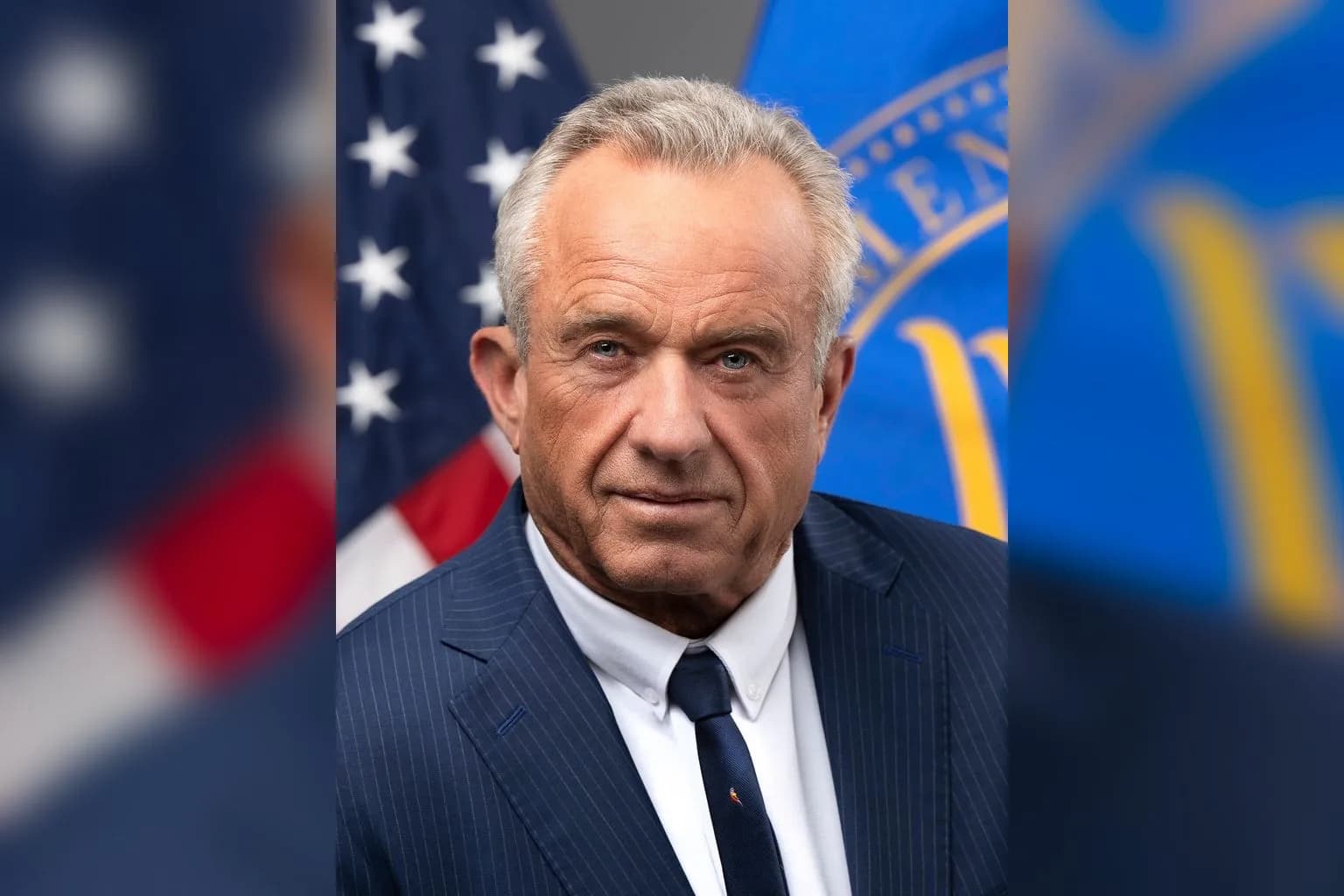
The emergency came after a year in which Robert F. Kennedy Jr., the Health and Human Services Secretary and a longtime vaccine critic, has remade the federal system for recommending childhood vaccines. Kennedy leads the Make America Healthy Again movement and has questioned vaccine safety and effectiveness.
His decisions have met resistance in court, from medical groups and from states seeking to maintain earlier guidance. They have also advanced priorities promoted by anti-vaccine activists, whom Kennedy told last month: “You have a strong and steadfast friend at the White House.”
Kennedy took office with authority over federal health agencies including the Centers for Disease Control and Prevention and the Advisory Committee on Immunization Practices, or ACIP. For 60 years, ACIP had shaped vaccine recommendations through evidence-based reviews.
In June 2025, Kennedy dismissed every member of ACIP and installed a replacement group that included several anti-vaccine voices. The change ended the committee’s longstanding public, evidence-driven process.
His department adopted a revised childhood vaccination schedule in January 2026. It cut the number of diseases targeted from 17 to 11 and the routine vaccines from 13 to 7.
The new schedule ended routine recommendations for all children for rotavirus, COVID-19, influenza, hepatitis A, hepatitis B and meningococcal vaccines.
In August, President Donald Trump issued an executive order directing Kennedy’s department to offer some childhood vaccines, including measles, mumps and rubella, as single products instead of combination vaccines. Del Bigtree, who was communications director for Kennedy’s 2024 presidential campaign and runs the anti-vaccine group Informed Consent Action Network, called the order “a huge move in imbuing confidence in Bobby that he could push forward with the work he's trying to do.”
Kennedy also promised an anti-vaccine group that the administration would investigate electromagnetic fields and chemtrails.
Trump and Kennedy have repeatedly voiced safety concerns about vaccines, including claims that vaccines cause autism and that childhood vaccination is linked to rising chronic disease among children. There is no evidence for those assertions.
In March, a federal judge found that Kennedy likely violated federal procedures. The judge stopped the replacement ACIP panel from meeting and suspended Kennedy’s decision to reduce the number of vaccines recommended for children. In the federal courtroom, judges heard evidence on Kennedy’s dismissal of the committee and his attempt to shrink the childhood schedule.
The American Academy of Pediatrics and other medical groups sued over Kennedy’s actions. Sixteen states also filed lawsuits over the schedule changes, as medical groups and Democratic governors challenged Kennedy’s legal authority and warned that his proposals would bring confusion and greater administrative complexity.
Dr Jason Goldman, president of the American College of Physicians, said the court order offered hope for “a return to a transparent and evidence-driven process that safeguards the health of all communities and the best interests of our patients.”
States have also moved away from the federal recommendations. By August 2026, 30 states and DC had said they would no longer follow CDC and ACIP advice for one or more childhood vaccines. Twenty-seven states had delinked from those recommendations for all childhood vaccines.
In 2026, the US recorded nearly 3,887 confirmed measles cases as of 1 October, more than in any year since 1991. A vaccination rate of at least 95% is needed to prevent community transmission of measles. Thirty-nine states had measles, mumps and rubella coverage below that level, while 18 states were below 90%.
The proportion of kindergarteners exempt from one or more school vaccination requirements reached 4.2%, up from 2.5% in 2019-2020.
Kennedy has carried the Make America Healthy Again movement’s vaccine scepticism into Ohio, Michigan, Wisconsin, Iowa, Colorado, Texas and other states where Republicans were holding House and Senate seats, as part of the administration’s political strategy. At a January Cabinet meeting, Trump said: “I read an article today where they think Bobby is going to be really great for the Republican Party in the midterms. I have to be very careful that Bobby likes us.”
The upheaval has also strained the CDC. In his first year, Kennedy’s intervention in vaccine policy fuelled tensions at the agency. Its director was fired after one month, followed by the resignations of other senior CDC officials.
The legal cases leave the future of Kennedy’s changes unresolved. For families and clinicians, the immediate dispute concerns which federal recommendations will guide routine childhood vaccination, and whether vaccination levels remain high enough to limit outbreaks.


Comments (0)