

Dr. Leopold Fezeu of Université Sorbonne Paris Nord led a French research team examining whether a dietary sugar called N-glycolylneuraminic acid, or Neu5Gc, was linked to type 2 diabetes.
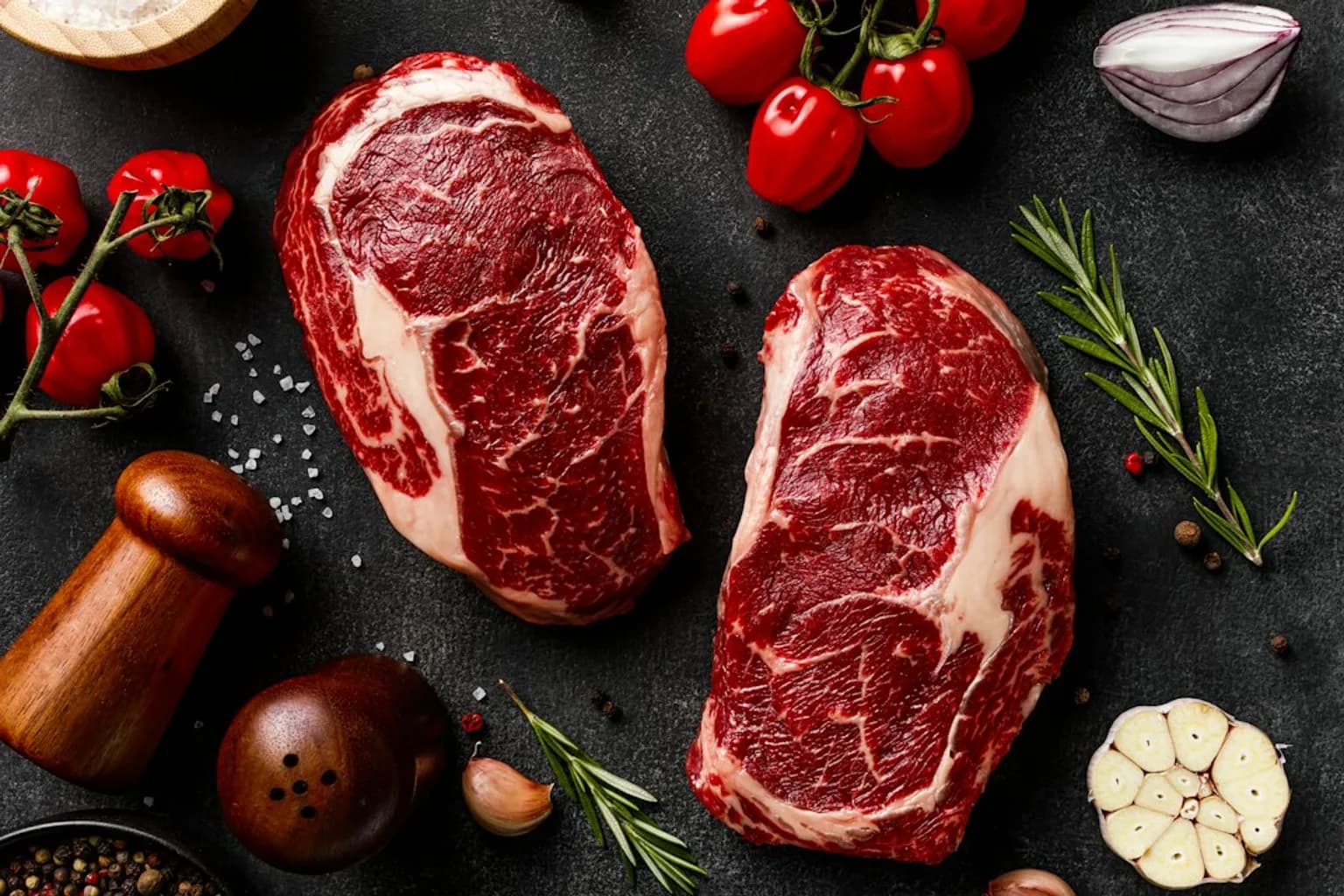
The researchers began with an unusual feature of human biology. Humans lost the ability to make Neu5Gc after an ancient mutation in the CMAH gene, yet consume it in red meat, especially beef and lamb. Scientists classify the substance as a xeno-autoantigen: a foreign material that can become incorporated into the body’s tissues and provoke an immune reaction.
The team analysed dietary and health information from 89,953 adults in NutriNet-Santé, a large French observational study. Participants were 42 years old on average, 79% were women, and none had type 2 diabetes or cancer when they entered the study. Over a median follow-up of 7.2 years, researchers recorded 966 new cases of type 2 diabetes.
Participants with the highest intake of meat-derived Neu5Gc had a 63% higher risk of developing type 2 diabetes than those with the lowest intake. The second-highest intake group had a 41% greater risk.
The association remained statistically significant after the researchers accounted for physical activity, overall diet, smoking and existing health conditions. It weakened after body mass index (BMI) was considered, though it remained significant. Obesity accounted for approximately 13% of the relationship between meat-derived Neu5Gc intake and type 2 diabetes.
The differences in meat consumption between the groups were substantial. Men in the highest Neu5Gc intake group consumed a median of 97 grams of red meat daily, or 136 g including processed meat, compared with 5 grams per day, or 21 g including processed meat, in the lowest group. Women’s median red meat consumption ranged from 73 grams, or 96 g including processed meat, in the highest group to 0 grams, or 9 g including processed meat, in the lowest.
When the researchers accounted for the total amount of red meat consumed, the relationship between Neu5Gc and diabetes weakened and was no longer statistically significant. Higher intake of Neu5Gc from dairy products was not associated with a higher risk of type 2 diabetes. Looking at Neu5Gc from all dietary sources combined, the highest intake group had a 37% greater risk of developing type 2 diabetes than the lowest group.
The findings were presented at the Annual Meeting of The European Association for the Study of Diabetes (EASD) in Milan, Italy. The authors said the results are preliminary, have yet to be validated and could change when the analysis is finalised.




Comments (0)