

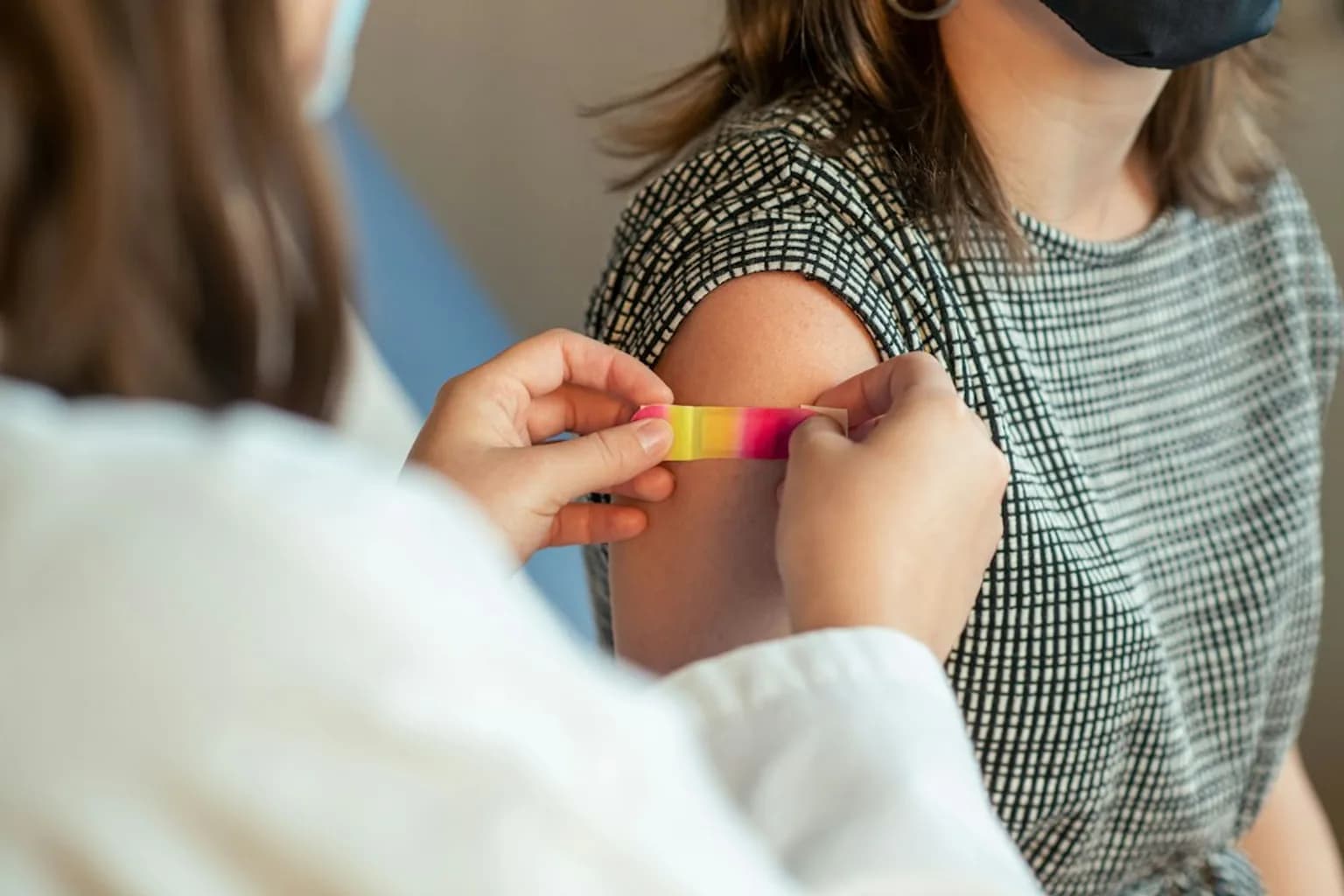
Measles is again putting unvaccinated children and other vulnerable people at risk in the United States, where about 10% of infected people have required hospital treatment and deaths have been confirmed.
Vaccination rates fell after the COVID-19 pandemic disrupted public-health programmes and their funding.
The United States eliminated endemic measles transmission in 2000. Cases among children worldwide have risen since 2020, ending a decline that had lasted decades. Nearly 16 million children under five caught measles in 2023, and 118,000 died.
Children in South Asia and sub-Saharan Africa are less likely to receive two doses of measles vaccine than children in other parts of the world. Measles can pass between people through coughing, sneezing and talking, or through contact with contaminated surfaces. The virus can remain in the air for up to two hours.
In the US, reported cases rose from 59 in 2023 to 285 in 2024 and 2,289 in 2025, then reached 4,852 by 29 October 2026. Of confirmed cases in 2026, 96% are associated with outbreaks. About 95% involved people who had not been vaccinated or whose vaccination status was unknown.
Coverage for the measles, mumps and rubella (MMR) vaccine among kindergarten-aged children fell from 95.2% in the 2019–2020 school year to 92.4% in 2025–2026. The CDC sets the herd-immunity threshold for measles at 95%.
Pennsylvania has recorded 1,338 cases across 44 counties, nearly 30% of the national total, including 78 new cases over a seven-day period. Staff at the state health centre have administered more than 6,500 MMR vaccinations at pop-up clinics in affected communities since the outbreak began in late April.
The CDC has confirmed two deaths from measles. Pennsylvania authorities have reported five deaths linked to the outbreak and were reviewing a sixth death in October.
Andrew Pavia, a pediatric infectious disease epidemiologist at the University of Utah, said underreporting meant the actual number of US cases since the beginning of last year was “probably greater than 20,000”. “Measles is a serious illness. We are going to see the consequences for years to come,” he said.
Vaccine confidence has also weakened. A 2026 study in Vaccine, based on a survey of 2,970 adults, found that approximately 17% believed the risks of the MMR vaccine outweighed its benefits. Following Breitbart was associated with twice the odds of MMR vaccine hesitancy.
Canada lost its measles elimination status in 2025. A 2025 study published in JAMA modelled that measles could become endemic again over the next 25 years at current state-level vaccination rates.




Comments (0)