

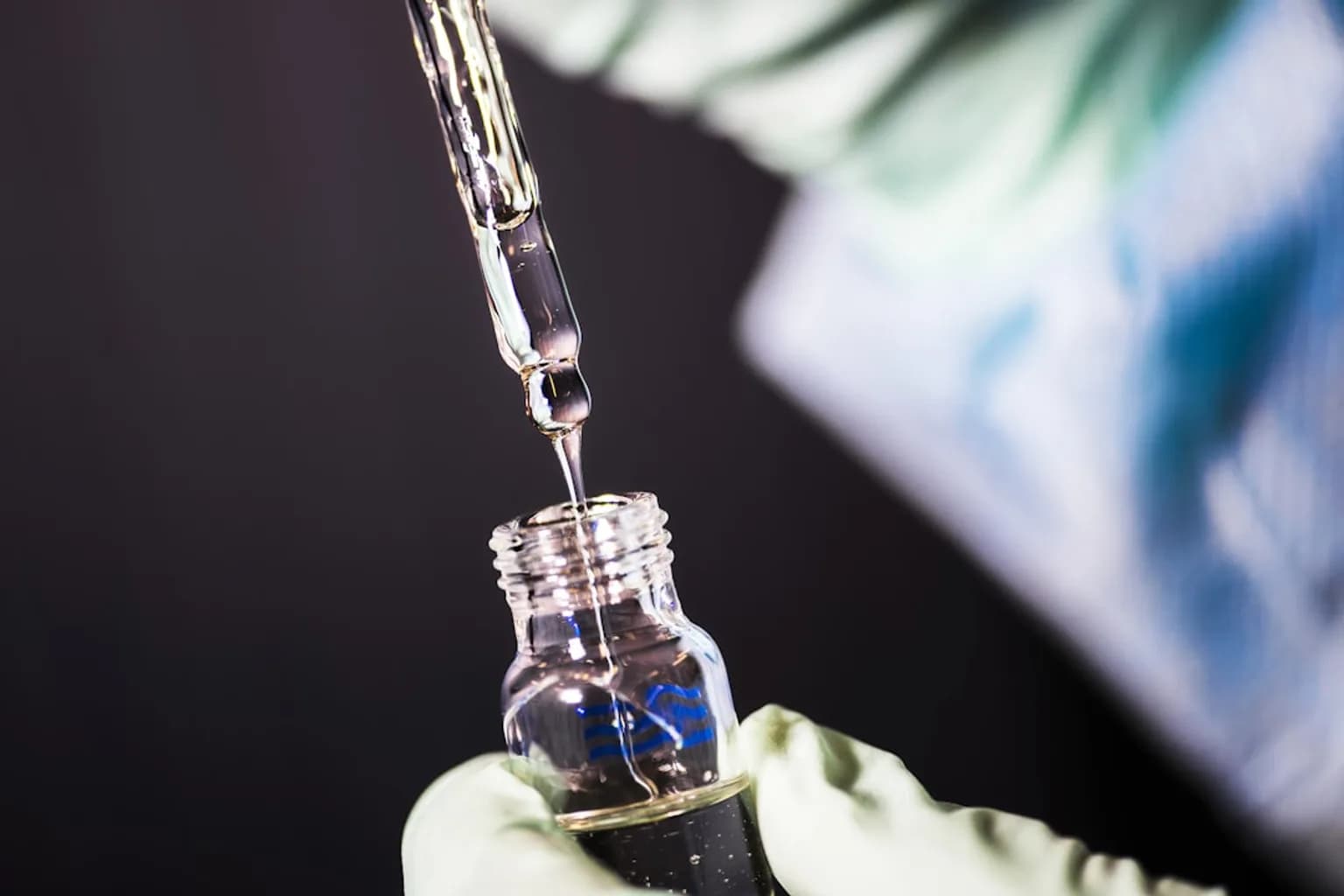
An experimental peptide promoted online for pain, healing and performance enhancement is being used by American patients despite having no published, peer-reviewed human efficacy data, according to a new analysis of medical records and regulatory documents. BPC-157, which is backed by U.S. Health Secretary Robert F. Kennedy Jr., remains unapproved for human use in the United States.
In July 2026, advisers to the U.S. Food and Drug Administration voted to permit pharmacy compounding of BPC-157. The agency’s compounding committee backed the peptide by 8–6, with one abstention. The decision marked a shift from the FDA’s earlier restriction on compounding, which cited significant safety risks and inadequate human evidence.
The vote does not resolve the central clinical question for patients seeking the compound. As of late August 2026, BPC-157 had been examined in more than a hundred preclinical studies, yet no published, peer-reviewed human efficacy data were available. One Phase 2 trial is registered and enrolling, while no musculoskeletal trial has been completed.
BPC-157 is a 15-amino-acid peptide derived from a stomach protein. It is often marketed as the “Wolverine peptide”, a name linked to claims about healing. It is commonly used alongside TB-500, a seven-amino-acid fragment of thymosin beta-4, in a pairing known as the “Wolverine stack”.
TB-500 has no human interventional studies in tendon, ligament, muscle, bone or cartilage. Both peptides are banned by international anti-doping authorities.
An analysis by the data analytics firm nference found a steep rise in clinician-documented BPC-157 use. The firm reviewed more than 15 million medical records and identified 1,039 patients whose doctors had manually recorded use of the peptide. Newly documented users rose 33-fold between 2020 and 2026, from 4 per quarter in Q1 2020 to 134 in Q1 2026.
The analysis was posted as a non-peer-reviewed preprint on 7 September 2026 and was reported by Reuters on 15 September 2026. Its findings describe records of identified users, rather than the overall prevalence of BPC-157 use in the United States.
Reasons for use were recorded for 644 patients. Pain was listed for 33%, followed by gastrointestinal conditions at 14%, prior injury at 11% and post-surgical healing at 10%. The profile of new users also changed over the period. Men accounted for 57% of new users in 2020 and 70% in 2026, while the mean age fell from 55 years to 49 years.
Among 972 users with recorded race, 95.9% were white. The available records therefore offer a limited picture of who is using the drug and why.
Adverse events were also recorded infrequently. Neuropsychiatric events were documented for 1.4% of users, injection-site hypersensitivity for 1.4%, and gastrointestinal events for 1.3%. The analysis described these events as “infrequently noted and likely subject to under-reporting”.
Only 205 of the 1,039 users, or 19.7%, had a documented source for the peptide. Among that group, 36% obtained it from compounding pharmacies and 35% from gray-market peptide vendors. Of 129 patients with a documented discontinuation, 59, or 46%, stopped after advice from a clinician. A further 24, or 19%, stopped because of adverse effects, while 21, or 16%, cited perceived ineffectiveness.
The term “Wolverine stack” does not identify a standard formulation. Some clinics add growth-hormone secretagogues, including CJC-1295 and Ipamorelin. Three suppliers sell products under the same name with differing formulations. FDA staff have testified that different active molecules are also being sold under identical peptide names, creating concerns over product identity and quality control.
Analysts have estimated that BPC-157 and other peptides could quickly become a $2 billion to $3 billion market if legitimized. The present size of that market is unknown. It is also unclear whether Mr Kennedy’s support affects prescribing decisions or patient uptake.
If the FDA proceeds with rulemaking on compounding authority, the process is expected to take at least 12–24 months. For now, the widening use documented in medical records sits alongside major gaps in evidence on the peptide’s safety, composition and effectiveness in people.




Comments (0)