

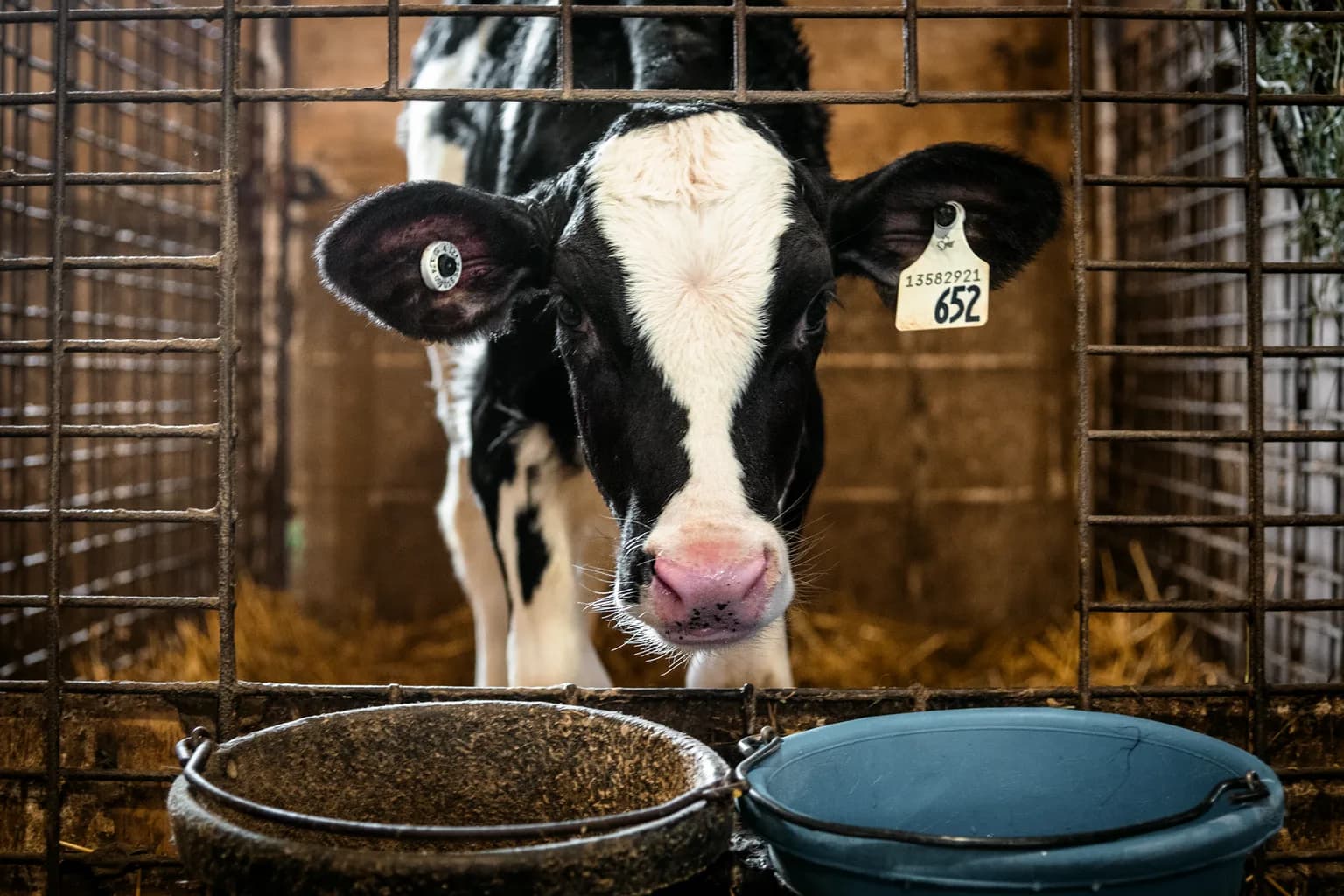
Dairy workers and others with close or prolonged contact with infected animals face a greater risk of bird flu infection, while county and federal officials say the risk to the general public remains low.
A Yakima County resident died after exposure to avian influenza at a dairy with infected cattle, county health officials said. The Centers for Disease Control and Prevention confirmed that the person had H5N1.
The resident was hospitalised with severe illness on 31 October. County officials said the person had underlying health conditions, though they did not publicly identify those conditions. The county reported the death on 1 November 2026.
It was the first US death from bird flu in 2026 and the third since the virus first entered dairy cattle in February 2024.
H5N1 first jumped into US dairy cattle in February 2024, creating an infection risk for farm workers and animal handlers. The first US bird flu death was announced in January 2025, involving an elderly person in Louisiana with H5N1. A second death occurred in Washington state in November 2025 and involved H5N5.
The Yakima County outbreak began on 8 October 2026, when highly pathogenic avian influenza H5N1 was detected in cattle at two county dairies. Since then, 33 dairy herds in the county have tested positive.
On 15 October, a dairy worker became the first human case reported in Yakima County in nearly a year after testing positive for mild H5N1. By late October, another county resident exposed to infected dairy cattle had contracted H5N1 and become severely ill.
Three human infections in Yakima County have now been linked to dairy exposure, all since mid-October 2026. A third case was confirmed shortly after the death in a person exposed to infected dairy cattle at a county dairy. That person has mild symptoms and has not required hospitalisation.
The Yakima Health District and the state health department are seeking people who had close contact with the three cases and monitoring them for symptoms. Dave Atteberry, MD, the Yakima Health District's public health officer, said avian influenza can cause severe illness, especially in people with underlying health conditions, and that the risk to the public remains low despite the serious outcome.
More than 70 human infections have been reported in the US since the start of 2024, according to the CDC. Most people who became ill worked on farms with infected cattle or poultry. There is no known person-to-person spread, and human-to-human transmission is extremely rare and has never been documented in the United States.
The CDC said its genetic analysis found no changes that would make the virus spread more easily or cause more severe illness.





Comments (0)