
The US Justice Department said it had seized cloud infrastructure used in a North Korean cryptocurrency scam that stole more than $400 million over 18 months.
The move follows the October 29 breach of Binance, the world’s largest cryptocurrency exchange, which The Modern covered on Sunday, 1 November 2026. The department has court approval to seize or restrain more than $1.2 billion taken in that attack.
The Justice Department said hackers operating as TraderTraitor stole more than $6 billion in the Binance breach. AP put the loss at about $6.3 billion and described it as the biggest crypto heist on record.
US agencies and private-sector partners have frozen more than $2.7 billion of the stolen assets since the Binance theft.
M. Scott Proctor, the Justice Department’s principal deputy assistant attorney general for national security, said: “North Korea's government bankrolls its rogue regime and illicit weapons program through cryptocurrency theft.”
The Federal Bureau of Investigation calls the separate video-call operation FaceStealer. It said the scheme targeted cryptocurrency workers and people in other internet-related fields, with open-source software developers increasingly among its targets.
The FBI said FaceStealer hackers sent meeting invitations from accounts taken over from earlier victims. Once a target joined a call, the group recorded their webcam footage while playing a prerecorded clip of someone the target knew.
The bureau said the hackers had also begun using AI-generated deepfakes of well-known cryptocurrency figures. They staged a false technical error and offered a link to “fix” it, which installed malware.
In some cases, the hackers waited months, or over a year, before taking funds. Under a federal warrant, the FBI seized more than 900 webcam videos of victims.
The FBI links FaceStealer to a hacking cluster it knows as Sapphire Sleet or UNC1069.
The Binance attack began with a fraudulent job interview that compromised an employee’s computer, before the hackers exploited internal systems to make unauthorised cryptocurrency transactions. Binance said the attackers had begun preparing for the breach in June.
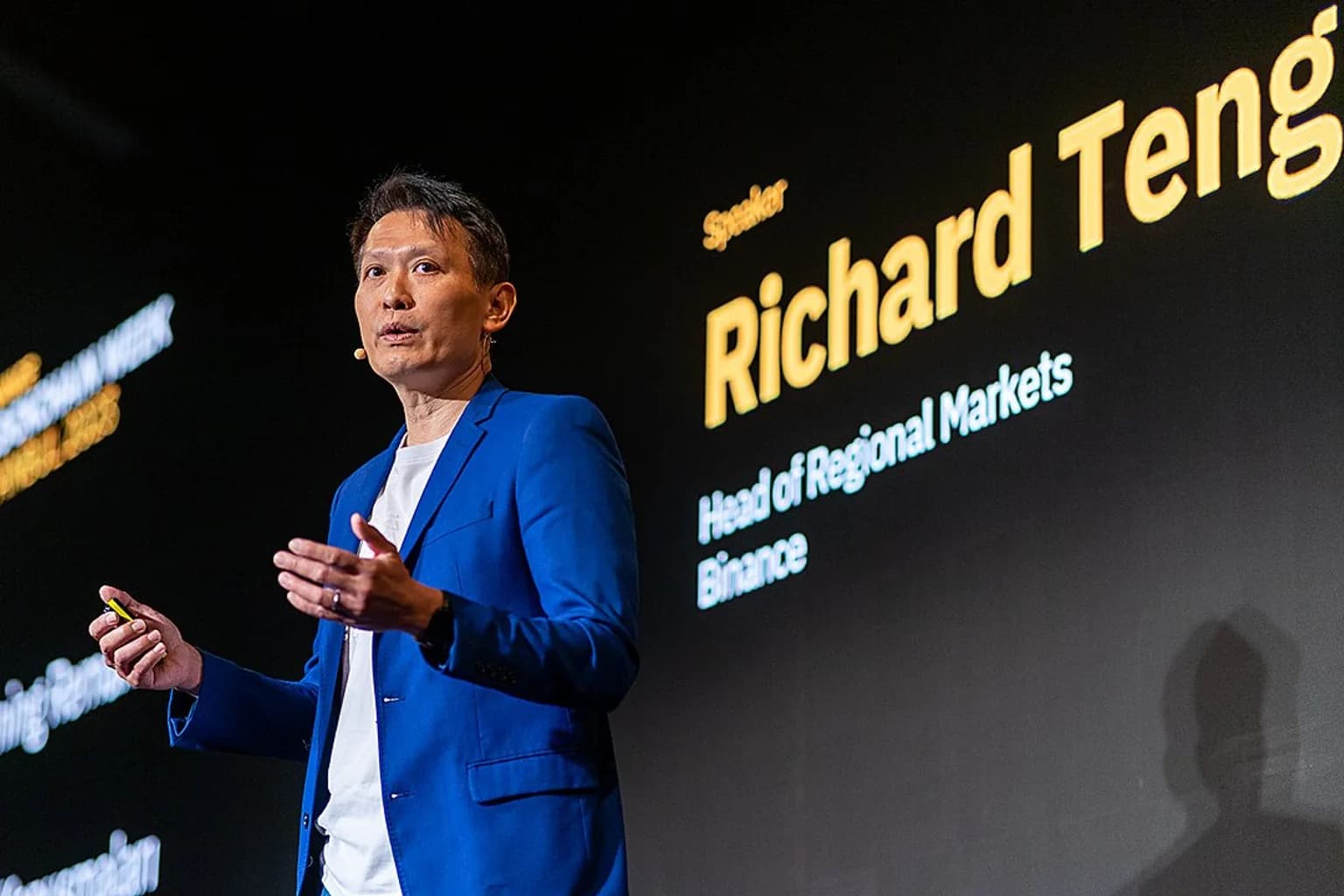
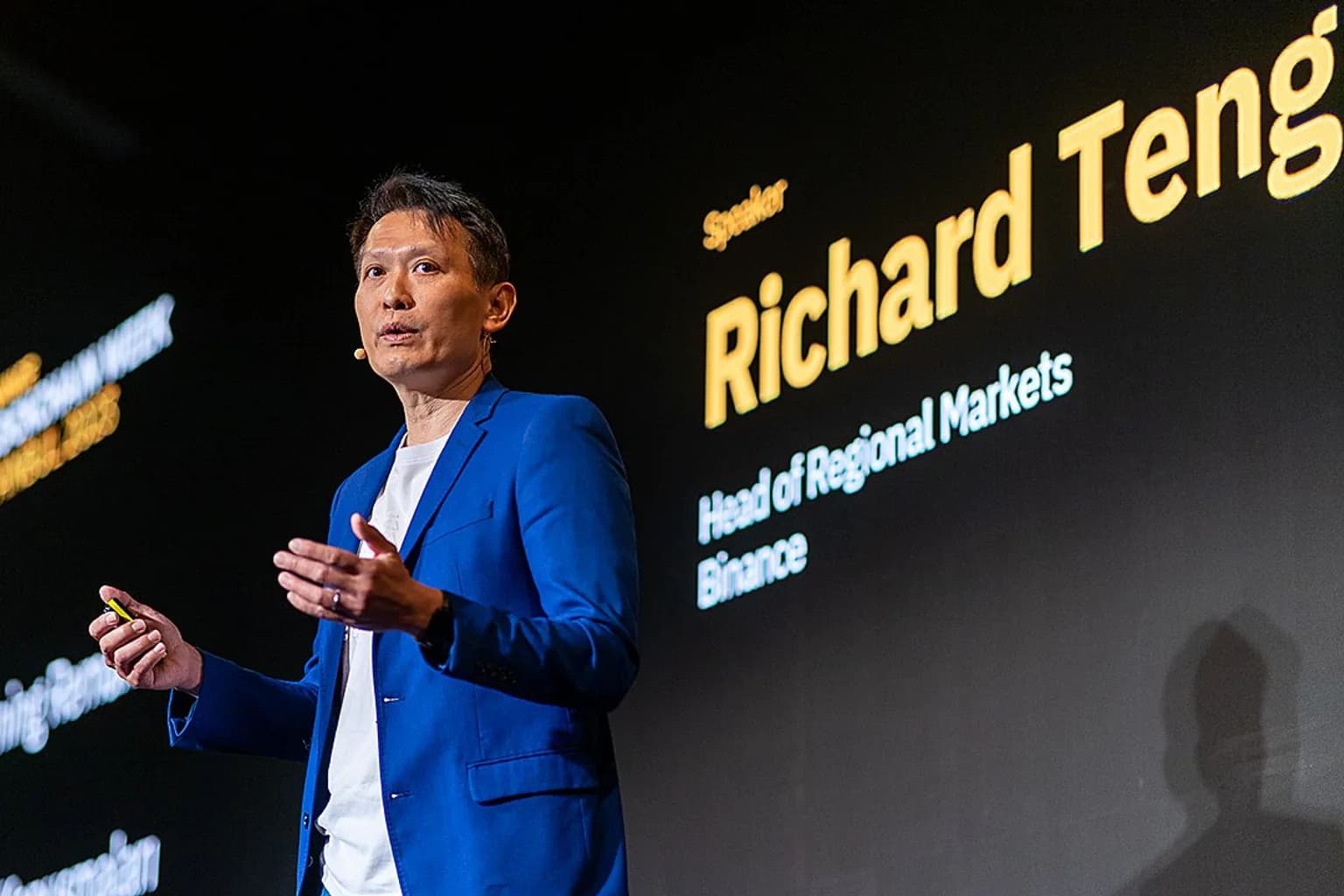
Richard Teng, co-CEO of Binance, said customers would not bear losses from the October 29 breach and that the exchange bore full responsibility.
Patrick Grandy, who leads the FBI’s Los Angeles field office, said: “If you can't imagine a scenario where you might fall prey to it, you are not thinking creatively enough.”





Comments (0)