

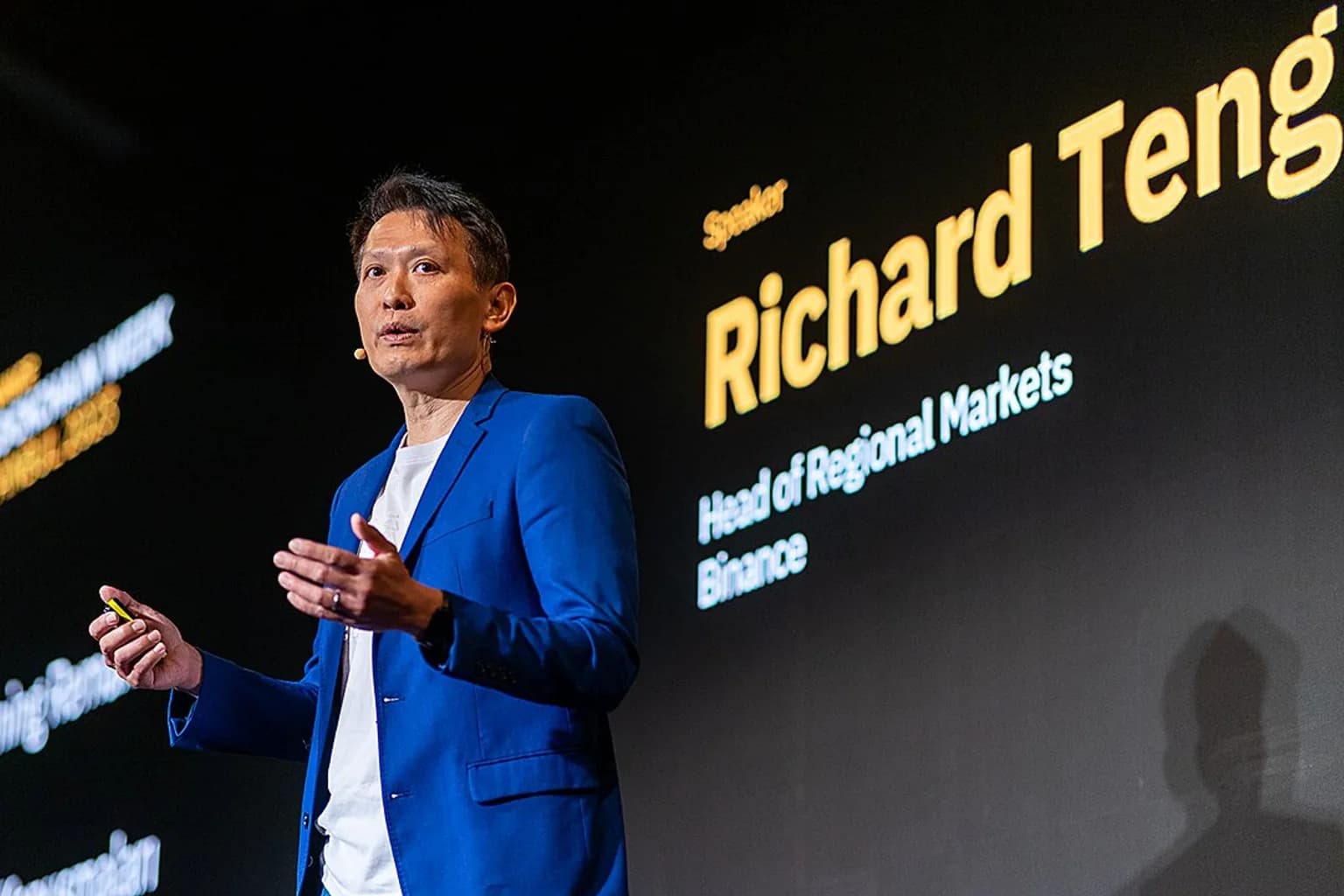
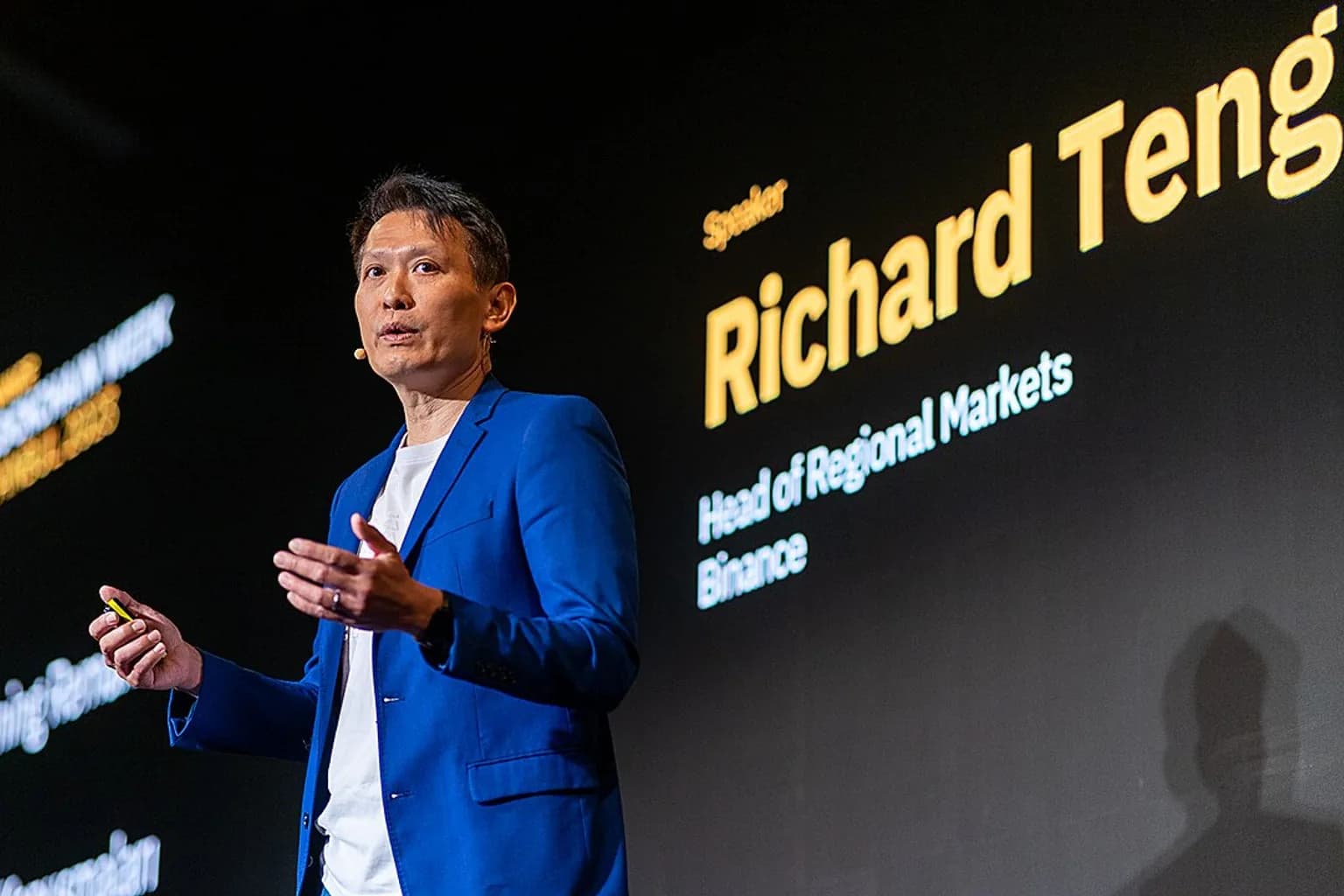
Richard Teng, co-chief executive of the cryptocurrency exchange Binance, said Monday that the company’s own failures led to its $6.3 billion hack. “It shouldn't have happened,” he said.
The theft took place on 29 October 2026, when hackers drained approximately $6.3 billion from Binance hot wallets across 10 distinct blockchains in approximately 20 minutes. Hot wallets are connected to the internet, allowing customers to buy, sell, trade and send cryptocurrencies. The Modern first reported on Sunday, 1 November 2026, that the campaign used fake job interviews.
Binance traced the campaign back to June 2026, when an engineer downloaded a tampered software installation while trying to install an artificial intelligence coding tool. The company said it detected and stopped an earlier attempt to test and penetrate its systems through the compromised tool.
In September, an attacker posing as a project director for a fictitious company contacted a Binance software engineer through a job-hunting platform. The interviewer shared supposed social-media accounts, personal photos and videos to build trust.
During a second interview on a social chat app, the employee was asked to download an assignment to his work laptop. The assignment contained malicious code.
On 29 October, stolen credentials were used to access another engineer’s computer, deploy a malicious container and trigger a script. Binance detected the attack late that day and moved to lock down its systems and freeze withdrawals.
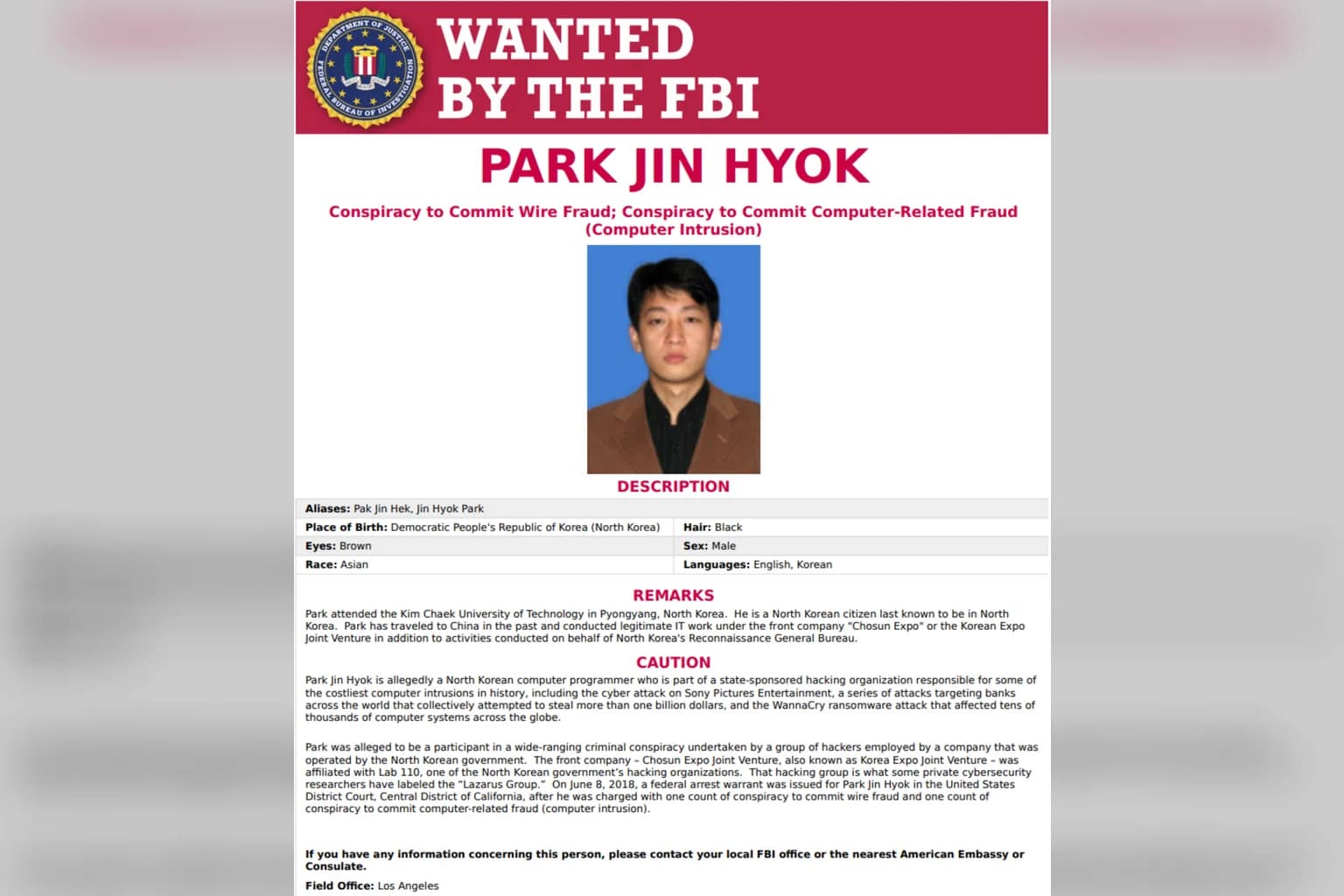
The FBI attributed the theft to TraderTraitor, a North Korean military unit. Pyongyang denied involvement. Teng described the operation as “a multi-month, sophisticated campaign.”
Centralised stablecoin issuers froze roughly $3.0 billion of the stolen assets. In Security Incident Recovery Update #3 on 31 October 2026, Teng and fellow co-chief executive Yi He said Binance had replenished 90% of the stolen assets using its corporate treasury, futures insurance fund and SAFU.
Teng said: “We had really underinvested into the area of compliance.” Binance apologised for the concern, disruption and uncertainty caused by the incident, and announced an independent cybersecurity review.
The company has previously faced billions in fines for anti-money-laundering violations. Its founder and primary shareholder, Changpeng Zhao, has been imprisoned.
Comments (0)