

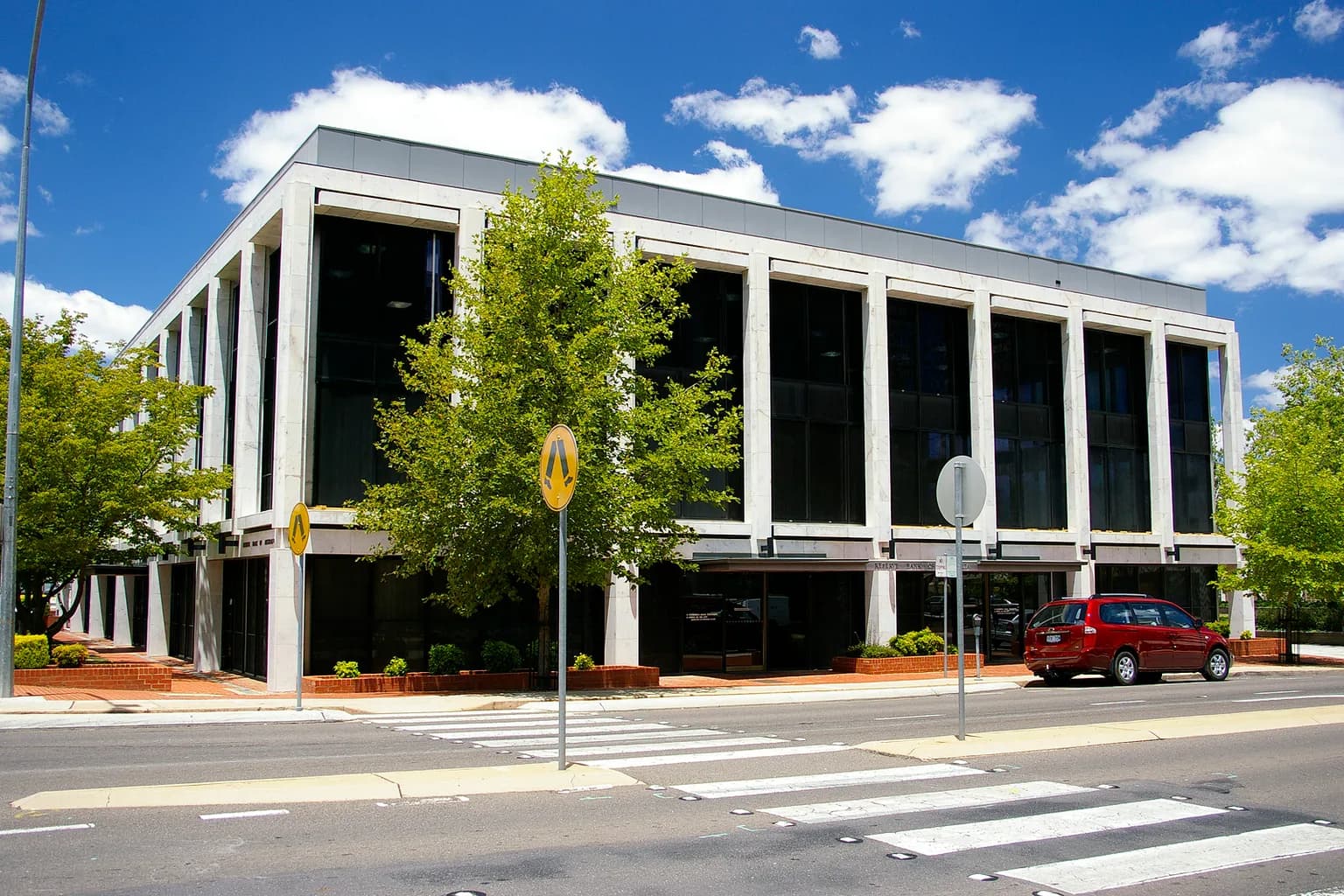
Andrew Hauser, the Reserve Bank of Australia’s deputy governor, told a Senate estimates hearing on Wednesday that the latest inflation figures were “too high”. He warned of a “nightmare” risk that longer-term inflation expectations could begin to rise.
The warning followed the Australian Bureau of Statistics’ release of consumer price figures showing headline inflation had accelerated to 4.3% in the year to September. The RBA’s preferred underlying measure, trimmed mean inflation, was 3.6%.
Both measures have remained above the RBA’s 2% to 3% target band for 14 months. The bank’s target is 2.5%.
The RBA has already raised rates four times in 2026, taking the cash rate to 4.6%, its highest level in 15 years. Its next monetary policy decision is due on 3 November.
The detail beneath the headline figure offers little relief. Trimmed mean inflation rose from a revised 3.5% in the 12 months to August to 3.6% in the year to September.
Rachael McCririck, the head of price statistics at the Australian Bureau of Statistics, said housing was the largest contributor to annual inflation. Housing, the biggest category in the consumer price index, rose 5.2% in September, driven by new dwelling and electricity costs.
New dwelling prices increased 4.7% in the 12 months to September, down from 5.4% in the 12 months to August. Builders passed higher material and labour costs on through those prices.
Transport costs rose 8.7% over the past 12 months, while food prices climbed 3.2% in a year. The monthly increase in automotive fuel prices was 9.4% in September, compared with 14.8% in August.
Jim Chalmers, the treasurer, said high oil prices and a recovering private sector were the main causes of the inflation rise. He said an end to the Middle East war would be the most important development for Australians under pressure.
Economists are now looking towards the RBA’s November meeting. Stephen Smith, a partner at Deloitte Access Economics, expects a rate rise next week. Bob Cunneen, a senior economist at MLC, said borrowers should prepare for a further increase as early as Melbourne Cup Day on 3 November.
Whether the RBA raises rates, and by how much, remains unknown. The decision will turn on whether the bank judges that persistent inflation poses the greater risk.
Comments (0)