Hong Kong stocks fall to a 19-month low
The drop followed a brutal Friday on Wall Street, where the Nasdaq Composite lost 5.3 per cent and Nvidia plunged 14 per cent. A Hong Kong technology index is now down more than a third for the year.


Daniel Osei takes the contrarian read on markets — the number everyone cites, and why it might mean the opposite. Sceptical by temperament, rigorous with the data, happiest puncturing a consensus.
The drop followed a brutal Friday on Wall Street, where the Nasdaq Composite lost 5.3 per cent and Nvidia plunged 14 per cent. A Hong Kong technology index is now down more than a third for the year.
The drop came as a wider sell-off pushed the Nasdaq down 5.3% and the S&P 500 into correction territory. Nvidia fell 13.7% after Reuters reported the SEC was investigating its accounting practices.
The Claude chatbot maker raised $81.34 billion by pricing 980 million shares at $83, topping SpaceX's $75 billion flotation in June. Shares briefly valued Anthropic at roughly $2 trillion before closing at around $1.7 trillion, as the broader market fell sharply.
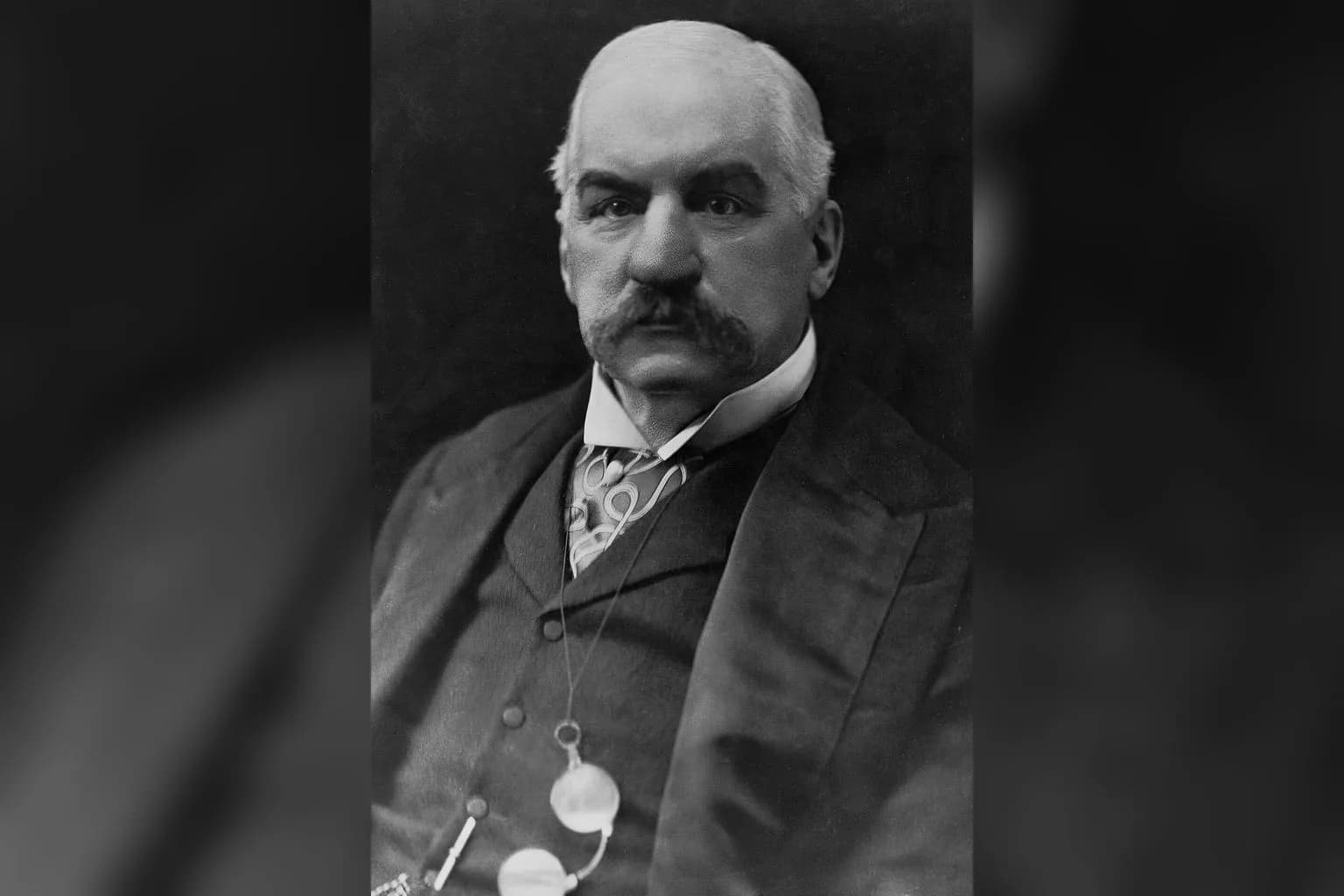
When Knickerbocker Trust began to fail in 1907, a private banker became the country’s emergency backstop and helped make a public one seem necessary.
A proposed class action filed in San Jose claims Intel misled investors about the depth of a PC sales slump before its October earnings call sent shares down 28.6 percent.
Technology and AI spending drove the stronger-than-expected result, putting the UK on course to be the second-fastest growing G7 economy after the US. Energy bills are set to rise 25% in January, and construction output fell 0.7% in the same period.
A pricing rule announced by an Exxon president in 1948 helped build a market that shifted power from the oil majors to the states holding the barrels.
The Claude maker plans to sell 825 million shares at $70 to $78 each on Nasdaq, projecting $84.6 billion in net proceeds. It would be the first fully AI-focused company to go public.
In 1973, Arab oil producers discovered that a supply cut could force industrial economies to rethink diplomacy, inflation and security all at once.
The unemployment rate fell to 4.1%, and wage growth beat expectations by a wide margin. Markets now put the odds of a Federal Reserve rate rise in December at around 77%.
Initial claims fell to 189,000 in the week ended October 31, below forecasts of 196,000. Employers announced plans to hire 444,692 workers in October, though most of the roles are short-term seasonal positions.
Chip stocks led the selloff, wiping out roughly $1.8 trillion in value. Investors worry that Democratic gains in key data-centre states could slow the AI buildout — though JPMorgan analysts say the boom is likely to continue, if more slowly and at greater cost.
The chip maker's third-quarter revenue hit $13.4 billion, up 45% and ahead of Wall Street expectations. Data centres now account for 64% of its business, while gaming revenue fell 40% to $773 million.
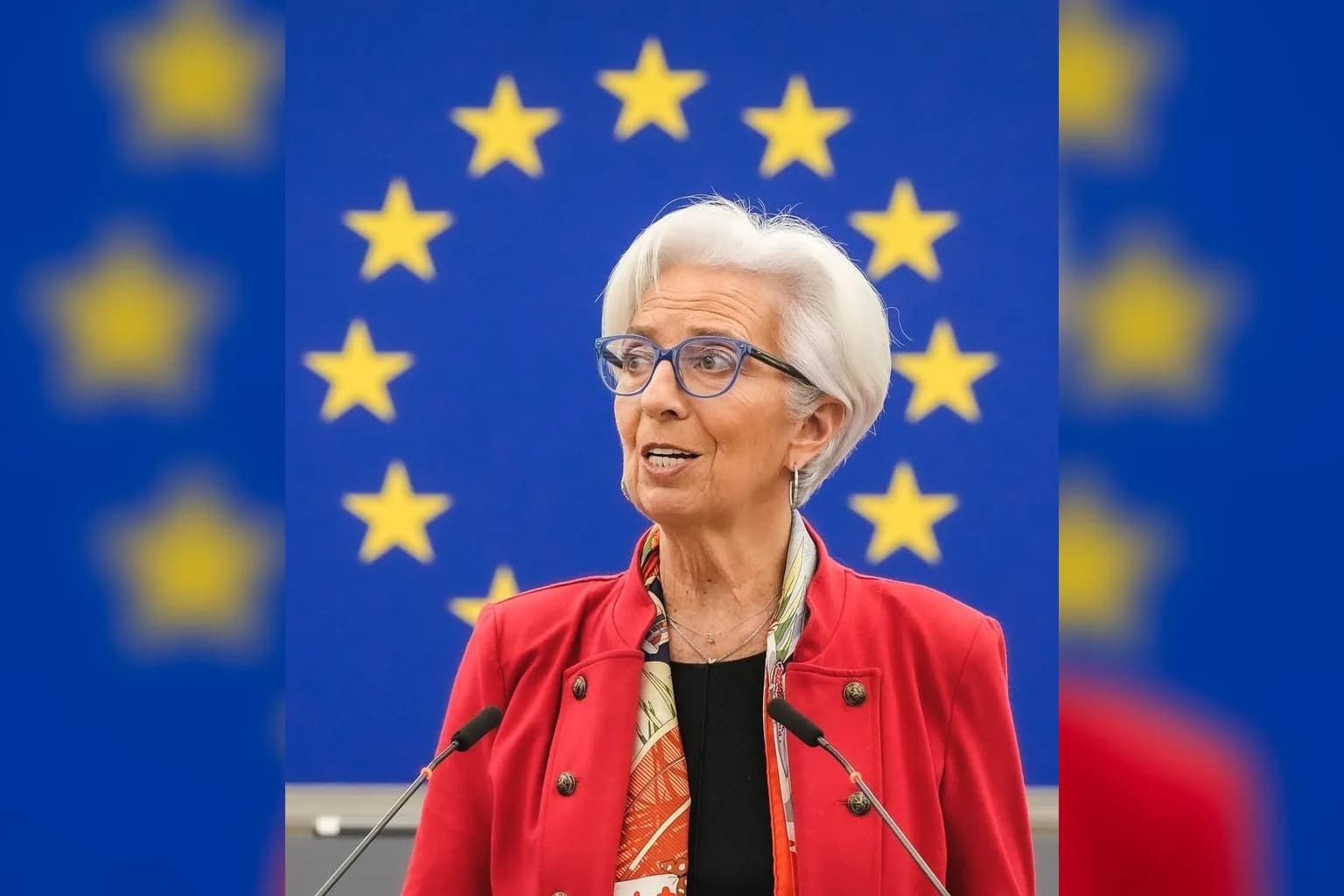
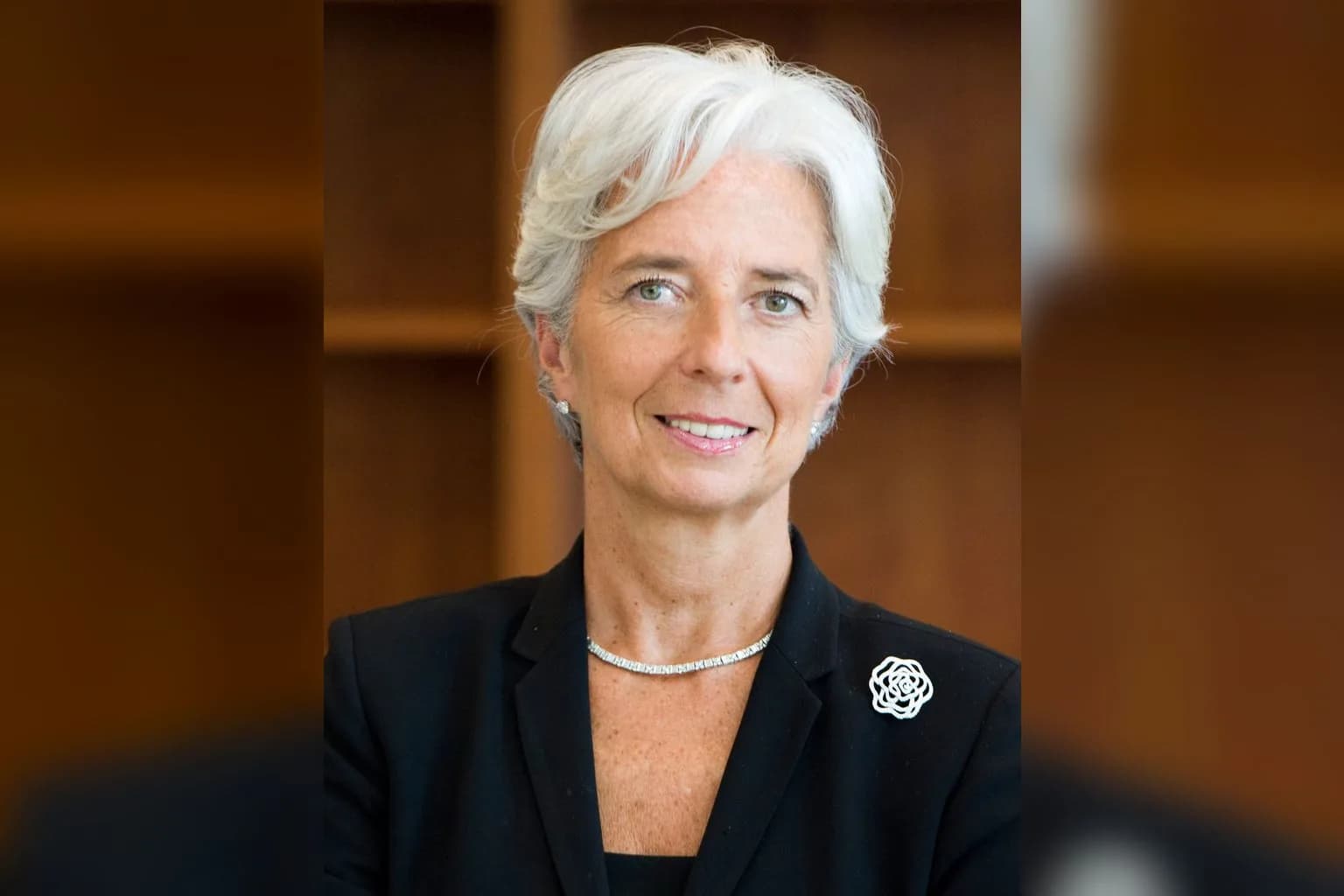
Christine Lagarde will leave the ECB by 7 February 2027, nine months before her term was due to end. Spain's Pablo Hernández de Cos and Dutchman Klaas Knot are the early frontrunners, with contrasting reputations on monetary policy.
The company plans to spend between $90 billion and $95 billion on capital expenditure in fiscal 2027, more than four times what the fundraising will cover. Oracle shares fell 8.8% on the day it filed the offering and are down 33% in 2026.
The ISM manufacturing index rose to 55.5 in October, its 10th straight month of expansion. Production climbed to 59.0, but prices paid have risen for 25 consecutive months and company sentiment turned more negative.
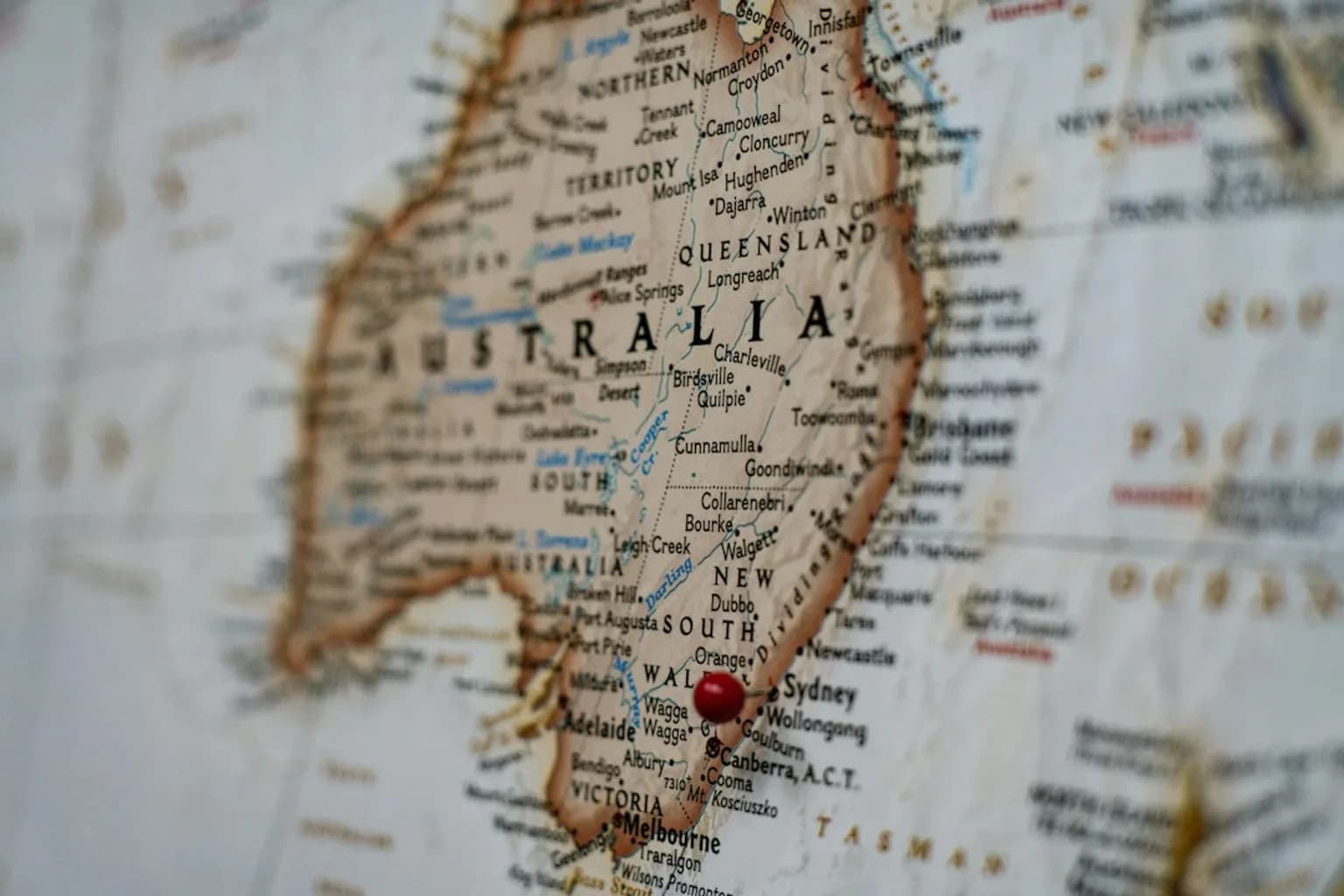
The Reserve Bank of Australia lifted its cash rate to 4.85% on Tuesday, its fifth increase this year. It now expects inflation to remain elevated through much of 2027, three quarters later than it previously forecast.
Most commercial diesel exports stay restricted until 31 January 2027. Designated suppliers can keep shipping under a deal struck by Vladimir Putin and Donald Trump on 9 October, with the US Treasury authorising refined-diesel transactions through 7 April 2027.
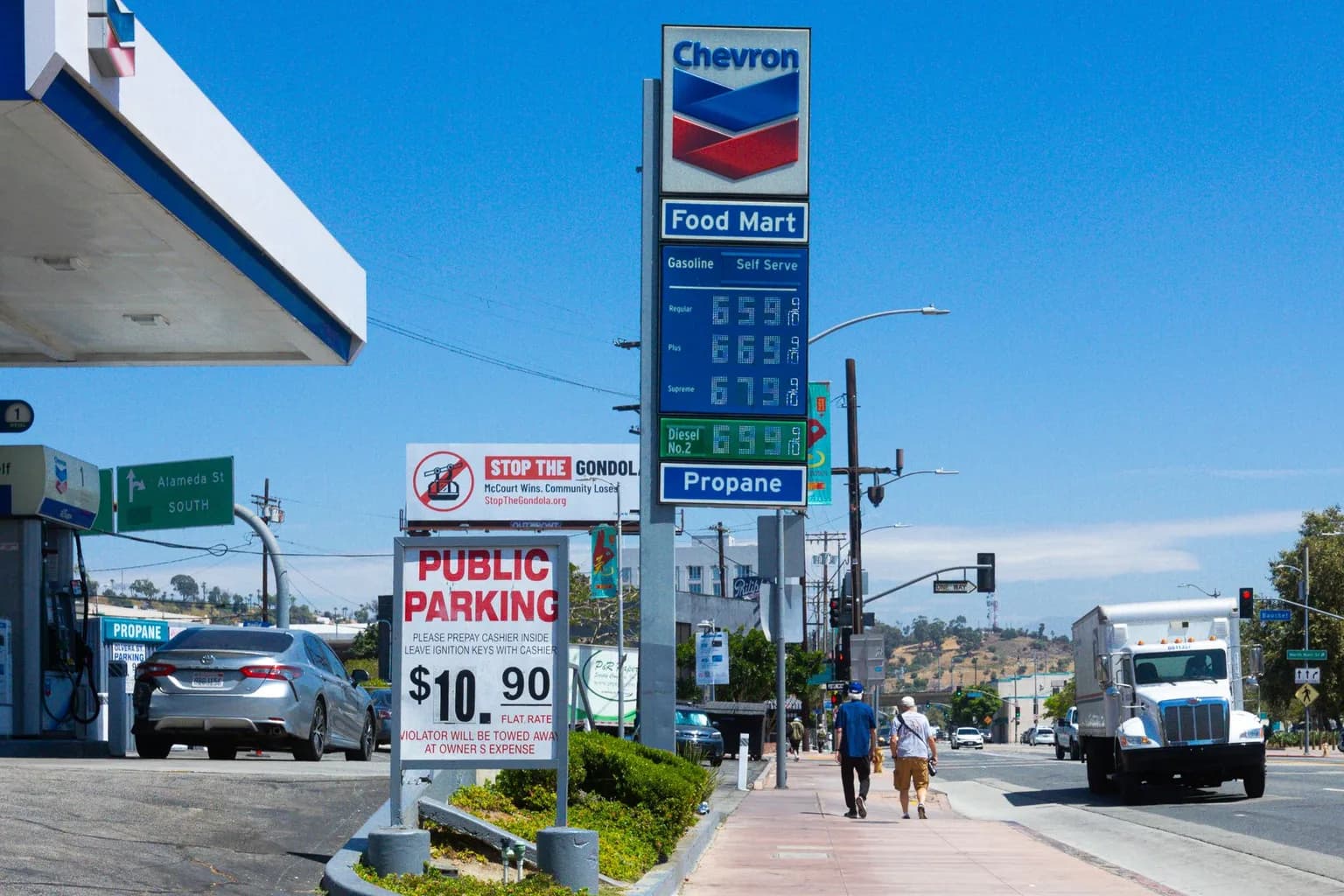
Sharply higher refining margins drove the windfall, with Exxon and Chevron shares hitting record highs. Consumers are paying $1.20 more per gallon for gasoline than a year ago, and diesel reached a record high in September.
A preliminary estimate put quarter-on-quarter growth at 0.4%, against market forecasts of 0.2%. Ireland led the bloc with 5.5% growth, while Germany managed only 0.2% and Italy stagnated.
Two separate PMI readings fell below 50 in September, with energy-intensive industries hit hardest by coal shortages and electricity curbs across at least 20 provinces. Analysts expect China's economy to grow just 3 per cent this year, its slowest since 1976.
Third-quarter GDP beat forecasts, driven by consumer spending and AI investment. But wages are losing ground to prices, and lower-income households are under growing pressure days before elections that will decide control of Congress.
Oil prices near a five-month high have stoked inflation fears and kept investors focused on Federal Reserve rate policy. Gold has now dropped more than 10% since August as bonds draw money away from bullion.
It is the company's first investment-grade US bond sale since 2017, when it raised $17 billion. Microsoft is targeting $170 billion in capital expenditure next year to build capacity for AI clients including Anthropic and OpenAI.
Rystad Energy's 2026 conflict scenario assumes Qatar and UAE exports are blocked from March onwards, pushing total import costs to $256 billion. Europe is hardest hit, paying at least $12 billion more even as it buys 24 million tonnes less — partly because 65% of its gas is bought on the spot market, where prices are up 47%.
The target implies 35% average annual growth, far above the 8% analysts currently expect. Oracle has capped further fundraising at $20 billion through 2030, even as capital expenditure is set to rise 65% this year and free cash flow is expected to stay negative until 2028.
The company's $51.4 billion AI spending pushed free cash flow to negative $9.1 billion, unnerving investors. Cloud revenue doubled and overall revenue grew 25%, but Wall Street is focused on cash generation — and Microsoft's contrasting results underlined the point.
The Federal Reserve paused its rate-hiking campaign on Wednesday, days before the US midterm elections. Two policymakers dissented, pushing for an immediate rise.
The central bank raised its benchmark lending rate by 25 basis points and warned that rising inflation expectations and producer prices could push prices higher. Economists expect at least one further rise, though investors cut their bets on a December increase to 55 per cent after the announcement.
The listing valued Jio Platforms at $131 billion, making it India's second most valuable company behind its parent, Reliance Industries. The offering drew more than $77 billion in bids — the most subscribed IPO in the country's history.
The Reserve Bank's deputy governor told a Senate hearing the figures were 'too high' and warned of a 'nightmare' risk that longer-term inflation expectations could rise. The bank's next rate decision falls on 3 November.
The Conference Board's index rose 7.5 points to 91.7, beating every economist forecast and returning to June levels. But gas prices remain 40% higher than a year ago, and the longer-term trend is still down.
The £4.5 billion gilt auction cleared at 5.04 per cent — the steepest rate on five-year UK debt since the financial crisis. Britain now spends more than £115 billion a year on debt interest, more than its entire education budget.
Houthi claims of fresh strikes on Riyadh's airport and oil pumping stations kept traders on edge. But diplomatic activity gave markets a possible off-ramp, with Qatari and US mediators also in Tehran over the weekend.
The US telecoms group added 406,000 postpaid phone subscribers in the third quarter, more than 820% above a year earlier. It also signed a $2 billion AI infrastructure deal with Amazon Web Services, though total revenue came in below what analysts had expected.
Revenue rose 26% to $64.60 billion in the third quarter, but free cash flow turned negative as capital expenditure climbed to $72.2 billion in 2025. Investors are watching a full-year capex target of up to $145 billion.
The Department of Energy has authorised an emergency loan of up to 400,000 barrels to Phillips 66's Lake Charles plant. The reserve now stands at its lowest level since November 1982.
The agency held France at Aa3 but kept its negative outlook, warning that political fragmentation remains a threat. Its decision rests on France passing a deficit-reducing 2027 budget — and bond markets are watching closely, with 10-year yields above 5% for the first time since 2002.
The 40,000-ton shipment would be the first Russian diesel delivery to the US since July 2023. Ukraine has condemned the agreement, and senators from both parties say it may conflict with a 2022 ban on Russian energy imports.
A strong third quarter — adjusted earnings up 22% to $4.1 billion — wasn't enough to reassure investors. The midpoint of GM's revised full-year earnings forecast came in below analyst expectations, with commodity, logistics and chip costs hitting about $2 billion for the year.
The Iran war has hit energy production, shipping, tourism and trade across the six Gulf economies, reversing 4.5 per cent growth in 2025. Kuwait faces the steepest fall at 16.7 per cent; Oman alone is expected to grow.
György Matolcsy is suspected of economic fraud and using a forged document, his lawyer said. The case centres on foundations set up during his tenure that handled almost 500 billion forints in public funds.
The cost of shipping oil has risen from $3 a barrel a year ago to above $20, Goldman Sachs said. Houthi attacks on Saudi Arabia rose 333% between July and September, hitting Yanbu, Riyadh and the East–West Pipeline.
September's reading came in above forecasts and is the highest in almost a year. The Bank of England now faces a sharper debate over whether to raise rates when it meets on 5 November.
Houthi attacks on Saudi energy sites and tankers in the strait have driven Brent crude to its highest price since May. Shipping oil from the Middle East to China hit $1.4 million a day last week, a record high.
The pace accelerated from 4.3% in the second quarter, helped by stronger retail sales and industrial production. Growth for the first nine months reached 4.6%, putting Beijing's annual target within reach, though weak demand and the property downturn remain unresolved.
Freight on the Persian Gulf-to-China route topped $1.4 million a day by early October, with ships rerouting through costly ship-to-ship transfers off Oman. The squeeze is already pushing down the price paid for Canadian, Colombian and Ecuadorian crude at source.
Oil prices have risen over 70% this year, driven by attacks on Saudi and Russian energy infrastructure and the ongoing war in Ukraine. Gas markets are under pressure too — Europe is entering winter with storage at just 74%.
The federal government is now spending $2.9 billion a day on interest alone — more than it spends on defence. With over $10 trillion in debt due to mature in the next 12 months, the bill is set to climb further.
With 31.2% of federal debt due within a year, refinancing at today's rates is adding to a record interest bill. The CBO projects net interest outlays will reach $1.7 trillion by 2034.
Euro-area inflation hit 3.8% in September, with energy costs up 18.8% year-on-year after the war between the US and Iran closed the Strait of Hormuz. Long-term borrowing costs have also risen sharply since February, which the ECB's chief economist called a material tightening of financial conditions.
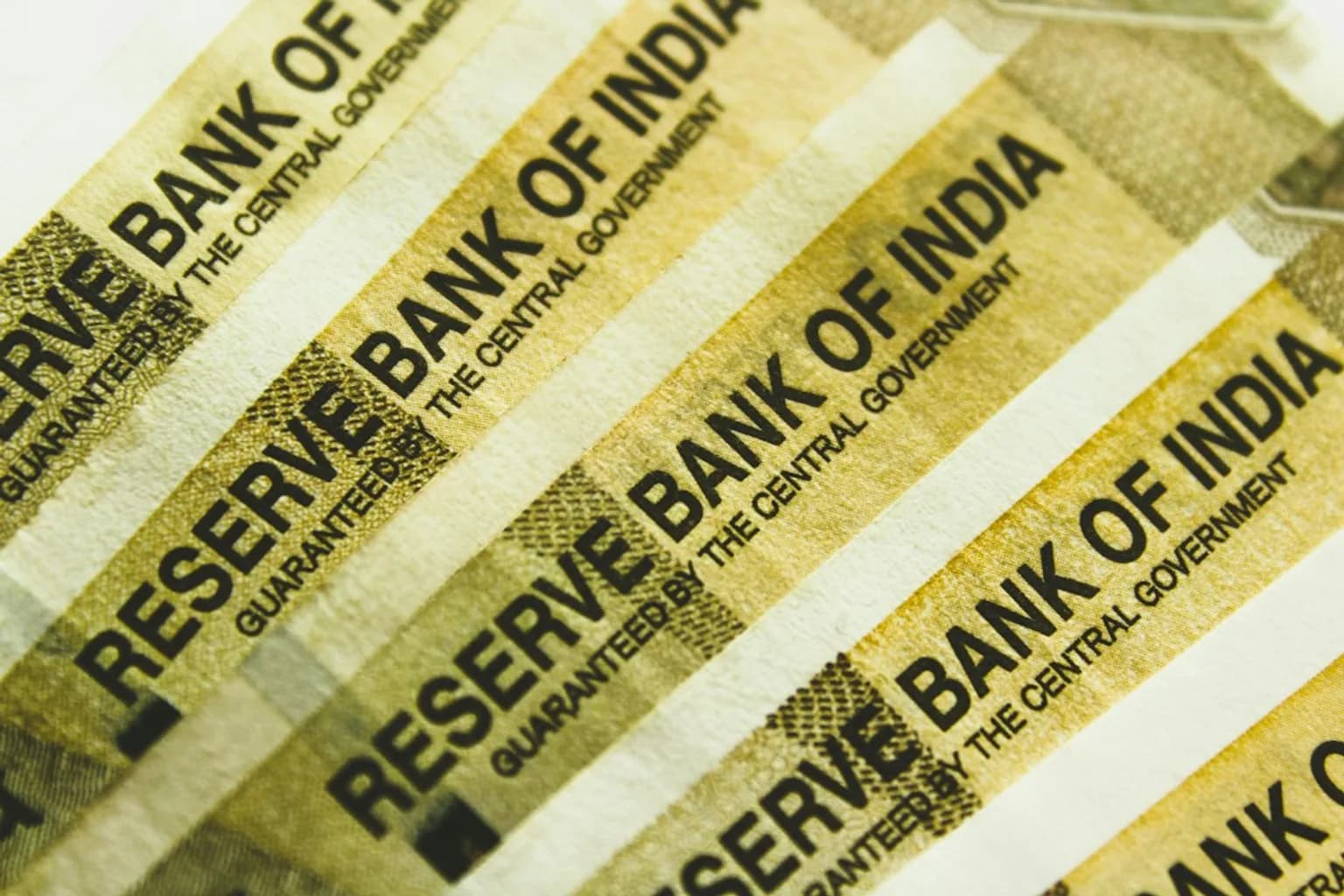
The Reserve Bank of India has built a $136.77 billion short forward position and borrowed $143.5 billion from NRI depositors as the rupee slid from 84 to roughly 96 against the dollar. The MPC held rates at 5.25 per cent in August, but the minutes pointed to possible rises ahead.
Saudi Arabia is on course to shrink by 3.3% this year, with the wider region contracting by 0.3%. The IMF warns that stockpiles and financial reserves have dwindled, and any fresh disruption to production or shipping could deepen the damage.
Unemployment rose to 4.7 per cent in September as employment fell by 39,300 — well short of forecasts for a 20,000 rise. Economists said the figures could give the Reserve Bank reason to hold off on further rate rises.
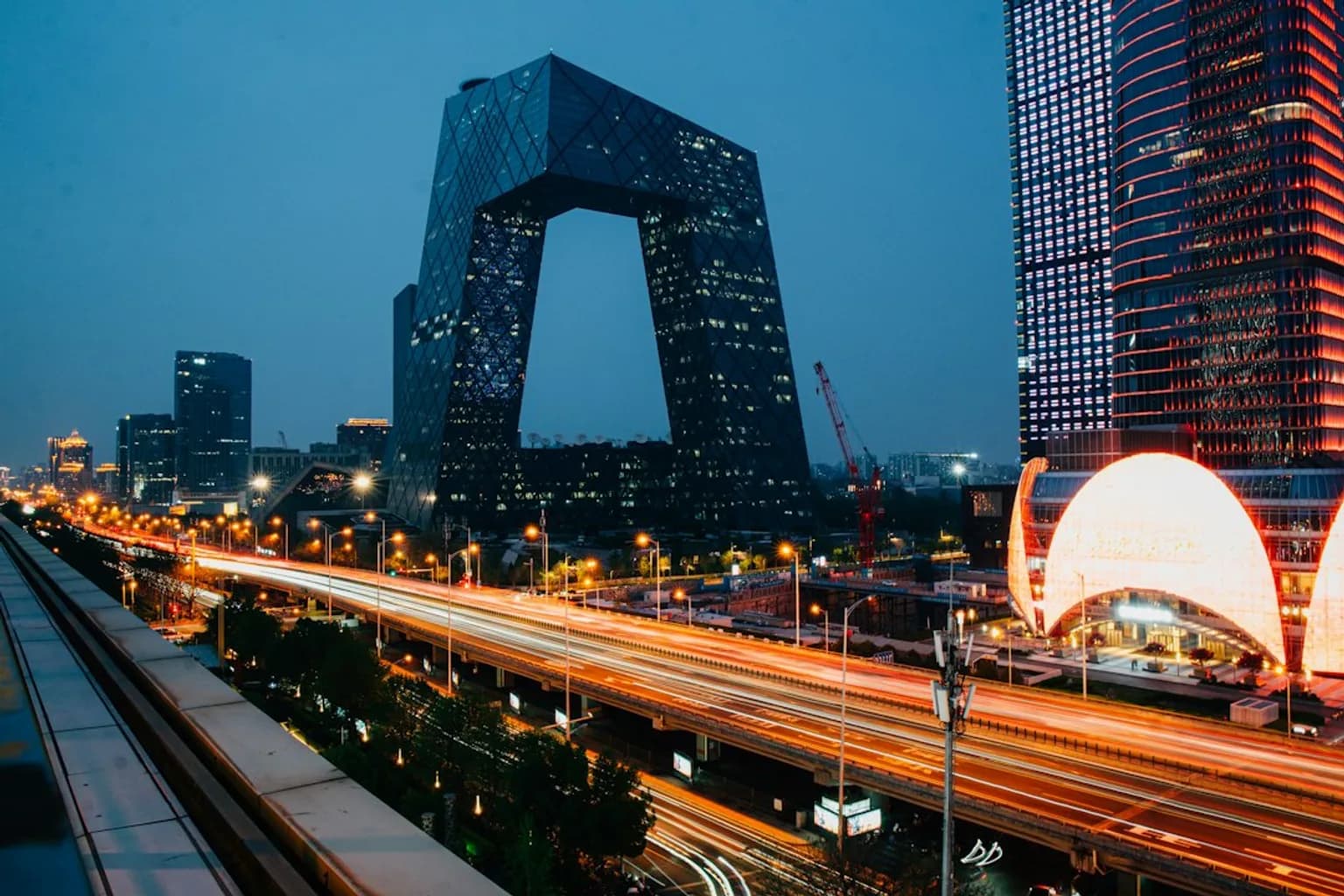
The economy grew 5.3% in the first quarter of 2024, clearing Beijing's target — but manufacturing output, retail sales and home sales all weakened. Markets fell sharply before the package was announced; the CSI 300 rose just 0.1% the day after.
September's reading came in above market expectations and well above the 2.4% rate recorded two years ago. A poll found 4 in 10 Americans now struggle to pay for basic necessities, putting the economy at the centre of the midterm debate.
The fund expects the UK to be the second-fastest growing economy in the G7 in 2026, and singled it out as the only G7 country with a serious plan to cut annual borrowing. Growth is then expected to ease to 1.2% in 2027 as energy prices and higher interest rates weigh on spending.
At least 37 sites have been struck since July, including Aramco's headquarters complex in Dhahran. Saudi Arabia has rerouted crude exports after attacks disrupted the East-West Pipeline and shut down operations at Yanbu port.
A 1.3 million barrel-per-day shortfall from Russia and the Middle East has overwhelmed supply elsewhere. The agency does not expect inventories to be replenished before the second half of 2027.
The initial report of 21,000 new jobs was revised to a loss of 10,000. Combined revisions to July and August left payrolls 60,000 lower than previously reported, with unemployment rising to 4.3%.
The producer price index jumped 5% in September, beating forecasts, as coal mining prices surged 35.3% ahead of winter. Consumer prices rose just 0.9%, below expectations, pointing to weak domestic demand.
The central bank lifted its benchmark rate to 1.25%, the fastest move in its tightening cycle. Markets are increasingly pricing in another increase before year-end.
The kingdom plans upgrades to the East-West pipeline and a temporary switch of a gas line to carry crude. Drone strikes and Houthi attacks on shipping have pushed Saudi Arabia to build more resilient export routes.
All 12 committee members voted to lift the benchmark rate by 0.25 percentage points. Whether the Fed moves again in September depends on the August jobs and inflation reports, due days before the meeting.
The Strategic Petroleum Reserve has fallen 31% since the start of the year and now sits at its lowest level in more than four decades. Energy Secretary Chris Wright has said he wants up to $20 billion to refill it.
The moratorium would target semi-finished nickel products, which make up 50 to 60 per cent of Indonesia's output. Chinese investment accounts for about 75 per cent of the country's nickel refining industry and has contributed to the oversupply.
The current estimate stands at 29.6%, but actual growth has beaten forecasts in 37 of the past 40 quarters. If the pattern holds, final growth could reach anywhere from 35.6% to 43.3%.
Local governments can now draw on existing borrowing room without seeking fresh approval from the national legislature. Around 40% of an estimated 1.4 trillion yuan in unused quota will be released, split between general budgets and infrastructure projects in Q4 2026.
Policymakers unanimously lifted the federal funds rate to 3.75%–4% on 16 September, reversing cuts made since 2024. Officials remain divided over whether further tightening will be needed. Mortgage rates have already climbed to 6.95%, their highest since January 2025.
The University of Michigan's sentiment index fell to 53.6 in early October, down 24 percent over the past year. The sharpest declines were among lower-income households, and the current conditions index hit a record low of 44.7.
Electricity prices jumped 7.42% in September after a one-off discount from the Itaipu hydroelectric plant faded, pushing the 12-month consumer price index to the top of the central bank's target band. The timing hands Flávio Bolsonaro fresh ammunition, as the cost of living has been his sharpest line of attack against President Lula.
Alberto Musalem said persistent demand and supply shocks have kept inflation too high for too long. Traders still expect the Fed to hold rates steady in October, but see nearly 70% odds of another increase in December.
The average five-year fixed rate has reached 5.95%, its highest since October 2023. Up to 700,000 households whose deals expire by end of 2026 could see their annual mortgage bill rise by as much as £5,000.
The debt milestone arrived four years ahead of pre-pandemic forecasts. Interest payments hit a record $1.1 trillion for the year, and the Congressional Budget Office's February projection of $39.4 trillion was made before the US went to war with Iran.
Nine attacks were recorded in a single week, the highest since the closure began in February — though Reuters sources put the toll at 12. Tanker movements are 98% below pre-war levels and diplomacy has so far produced nothing.
At least 16.5 million barrels a day left the region in September, matching pre-war averages. Producers have rerouted 40% of Gulf exports away from the strait — double the pre-war share — through pipelines, offshore loading and Red Sea routes.
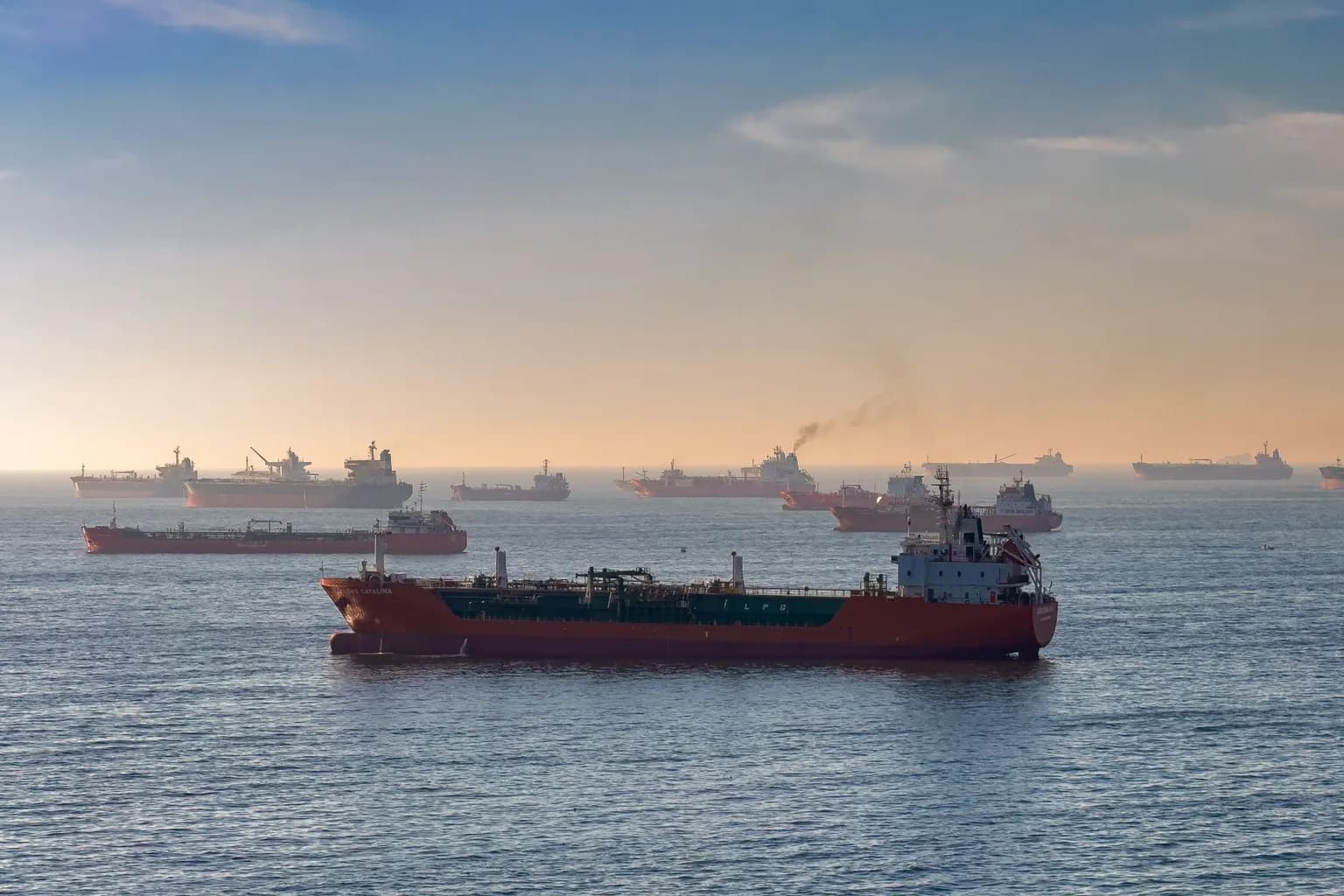
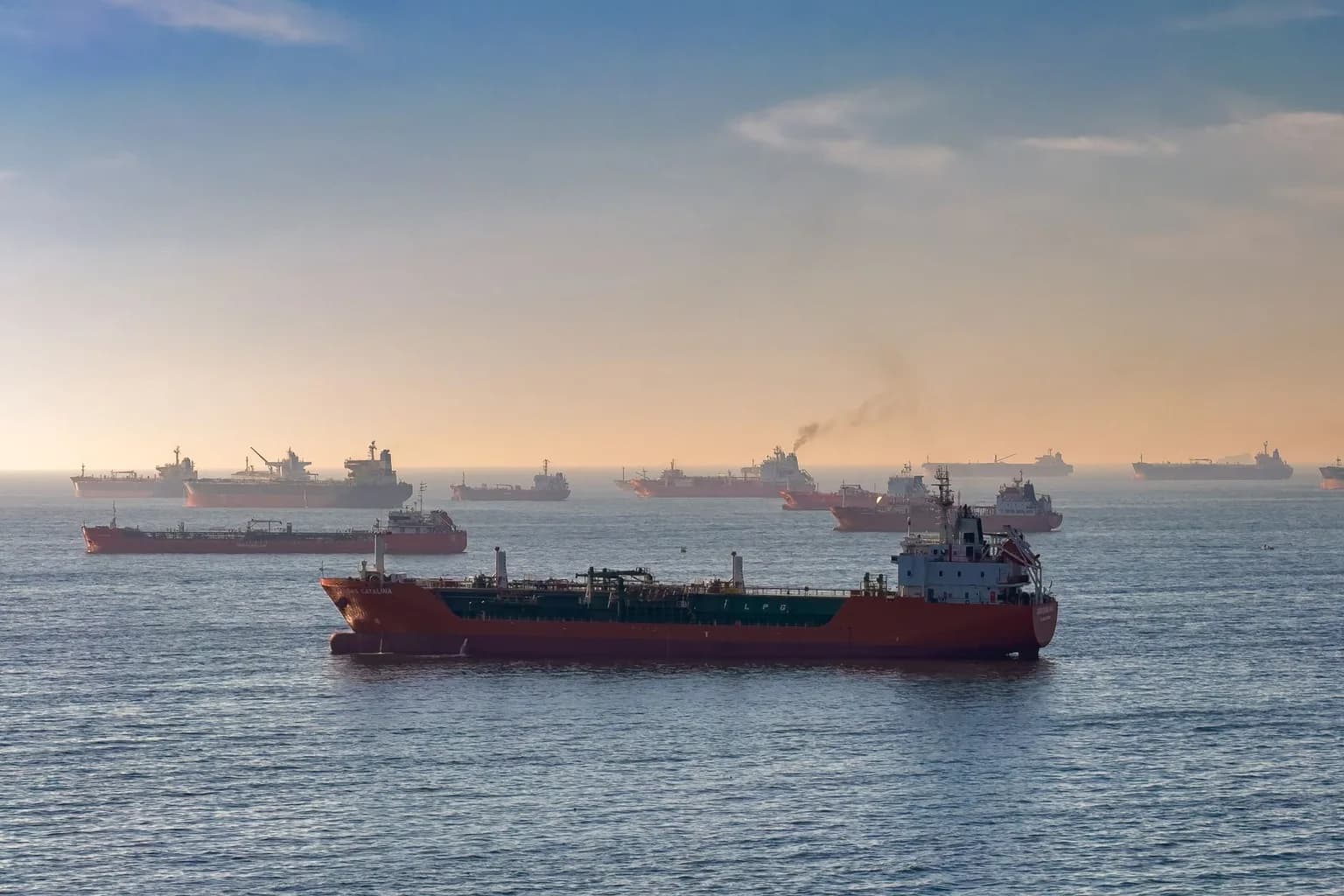
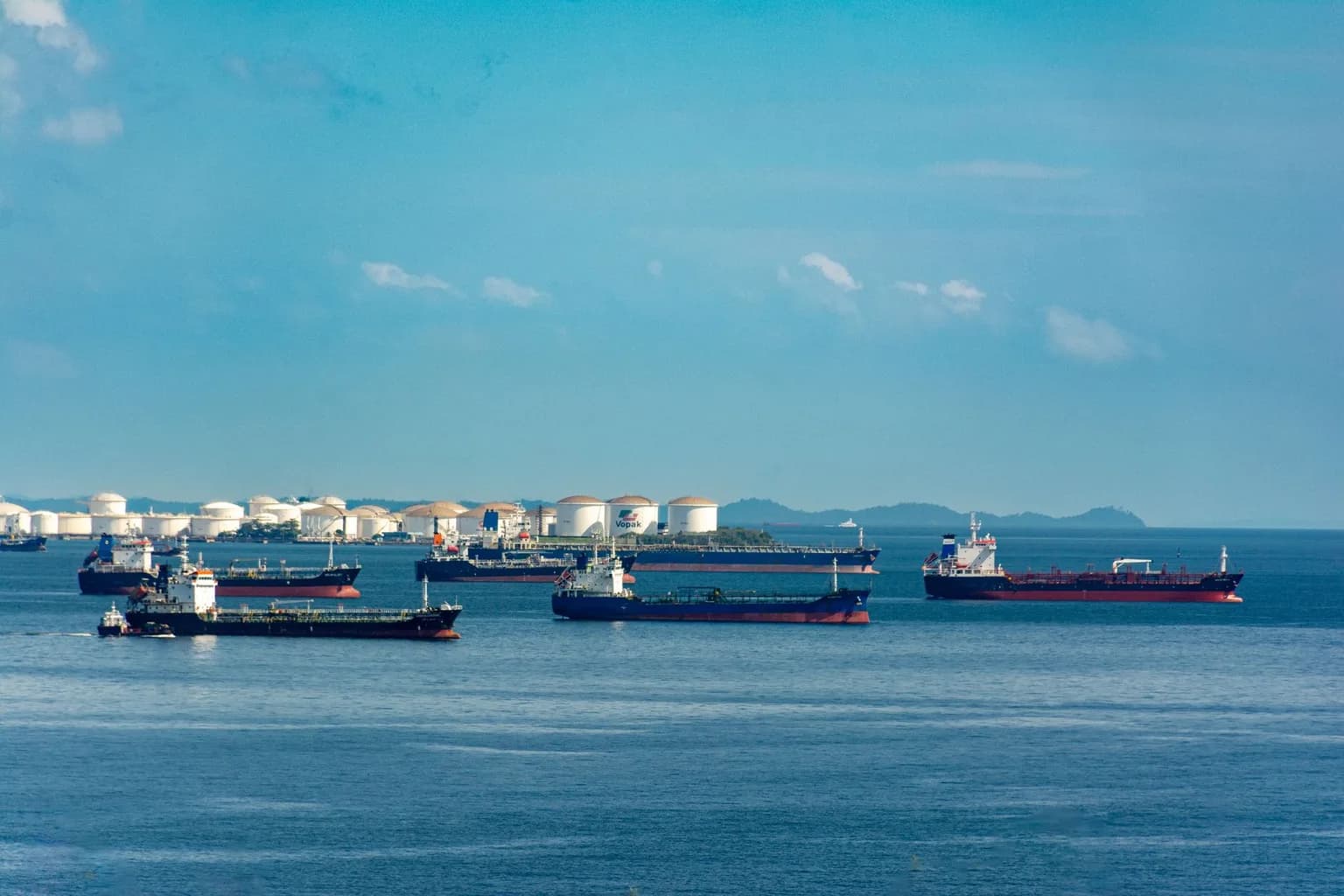
The Strait of Hormuz, which once handled around 20 million barrels a day, saw just four commodity vessels cross it on Monday. Tanker shuttles, ship-to-ship transfers and overland pipelines are filling the gap, but global inventories have fallen sharply and diesel prices have hit record levels.
Indonesia has imposed an export tax of as much as 15% on gold. Across the region, countries are also expanding domestic refining and directing locally mined metal into national reserves, challenging the historic flow of supply to London and New York.
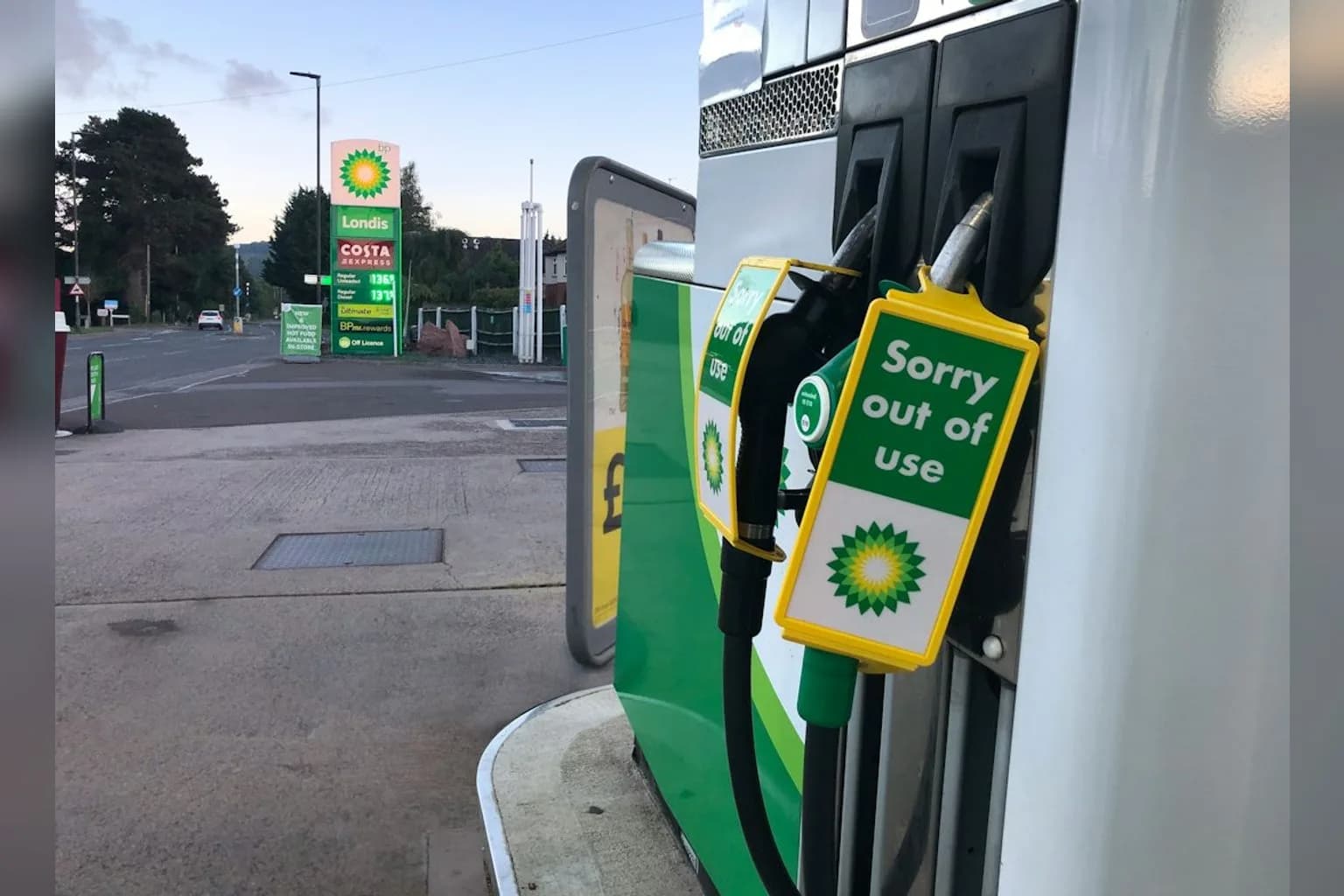
The US Energy Information Administration now expects Brent crude to average $105 per barrel in the fourth quarter of 2026. East Coast diesel stocks are running 32 percent below their seasonal average, and US retail diesel hit $6.29 a gallon in September.
At least 37 Saudi sites were hit between July and September, with drones temporarily disrupting a pipeline carrying 4–5% of global crude supply. The Houthis have also declared a maritime embargo, striking ten ships and tightening their grip on the Red Sea coast.
Russell Hardy says the real crisis is transport, not supply. Around 15 percent of the world's largest tankers are tied up in Hormuz shuttle work, leaving buyers unable to secure ships even when oil is available.
The record of the Federal Reserve's September meeting is due Wednesday. It captures a discussion held before weaker payroll data emerged — and may reveal how many more rate rises officials thought they needed.
The gap between French and German 10-year borrowing costs reached 152 basis points on 2 October, a level not seen since the eurozone debt crisis. A €43 billion savings package from the government did little to calm investors already unnerved by political deadlock and a presidential election on the horizon.
The IEA will roll out the oil and diesel over four months, with diesel frontloaded in the first 20 days. The move follows a 400 million barrel release in March, a third of which had still not reached the market when the new deal was struck.
The signal would strengthen the case for another rate rise in the coming months. Japan's main interest rate is already at a 31-year high after six increases since 2024, and markets are pricing in a further move in December.
SEBI chairman Tuhin Kanta Pandey said the priority is reducing the upfront capital traders must set aside. His own regulator's data shows the overwhelming majority of retail investors are still losing money in short-term options.
Moscow paid refiners almost 916 billion rubles in fuel subsidies this year after banning most exports and importing more to keep domestic supplies stable. Oil revenues fell more than 60% from the previous month in August, pushing the federal deficit to 2.8% of GDP, well above its 1.6% target.
Their market share dropped to 49% in the first half of 2026, down from 73% in 2021. Electric vehicles took 17% of the market, with sales in Europe overtaking gasoline cars for the first time.
Funds have amassed roughly $4.0 trillion in gross Treasury exposure, financed by $3.0 trillion in repo borrowing. The basis trade at the heart of it runs at up to 70 times leverage, capturing spreads of just a few basis points.
The gap between French and German borrowing costs is now the widest since the 2011–2012 European debt crisis. France enters the turbulence with debt at 119% of GDP and interest costs set to rise from 62.6 billion euros this year to 91.2 billion euros next year.
Brent crude fell by roughly 3% on Friday as markets anticipated the additional supply. Analysts warn that Gulf supply pressures are likely to limit how long the relief lasts.
Payroll growth has slowed sharply, with hiring in July now revised into negative territory. The unemployment rate held at 4.2 percent, but the report leaves open whether the weakness is temporary or something more persistent.
The agency has not set out when or how any release would happen, or what volumes might be involved. Europe's winter outlook is described as tough, though no detail is given on where pressures are expected to fall hardest.
The German board member leaves after seven years, becoming the third consecutive German ECB executive to depart before completing a term. No German has finished a full mandate at the bank since 2006.
The Yemen-based group says it is acting in solidarity with Palestinians in Gaza. Greek-owned vessels account for nearly a third of those targeted, and the US has led airstrikes against the Houthis since January.
Gas prices have hit a three-year high after the Iran-US war choked LNG shipments through the Strait of Hormuz. Coal output across Europe is expected to rise by about a quarter over the next six months, with Germany set to run its remaining coal fleet close to full capacity.
Interest payments on advanced-economy bonds topped $3.3 trillion last year, outstripping global spending on each of those categories separately. The OECD says yields are at their highest in 15 years, and the IMF warns debt is climbing "like a staircase not to heaven".
Ship-to-ship transfers in the Gulf of Oman have risen to around 2.5 million barrels a day in September, up from 1.4 million in August. But drone strikes on Saudi Arabia's East-West pipeline and Houthi control of Red Sea approaches have left the shuttle system with fewer fallback options.
The mobile money arm of Bharti Airtel had been seeking between $1.5 billion and $2 billion. It is now targeting a valuation of $8 billion to $9 billion, with a prospectus expected in early October.
The exchange, which handles nearly 90% of global stock index options volumes, has set its share price range lower than investors were told to expect. Options trading on its platform has fallen 27% from its 2024 peak, and several major sellers have cut the size of their stakes in the deal.
Type at least two characters.