

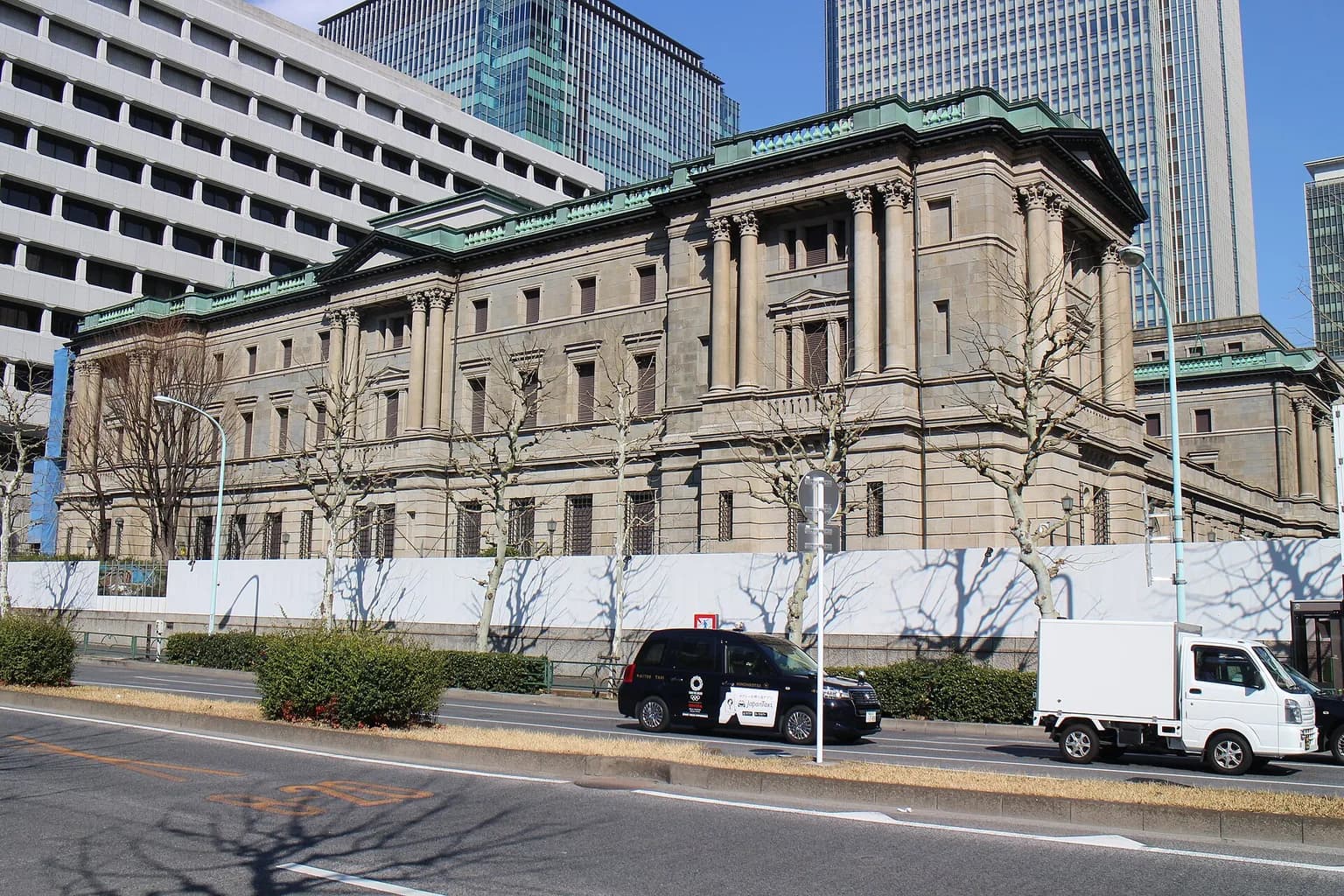
Japan’s policy rate remains at 1.25%, its highest level since 1995. Yet the Bank of Japan now says underlying inflation has reached its 2% goal, a judgement Governor Kazuo Ueda said put price growth at levels consistent with the bank’s target.
At its policy meeting on October 30, the central bank said underlying inflation was “generally consistent” with its target of 2%, its first such assessment since it adopted the goal in 2013.
The language is a clear shift. Until now, the BOJ had said underlying inflation was “approaching 2 percent.”
The board voted 8-1 to leave rates unchanged. Hajime Takata dissented, arguing unsuccessfully for an immediate increase in the policy rate to 1.5%.
The decision follows years in which the BOJ has fought low or negative price growth, a struggle that has defined much of its history since gaining legal independence from the government in 1998.
In July, the bank said underlying inflation was nearing its 2 per cent target as long-term inflation expectations heightened gradually. Its latest assessment described those expectations as “moving around 2 per cent”.
The BOJ raised rates in June and again in September.
Its new forecasts point to continued price pressure. The bank lifted its inflation projection for fiscal year 2027 to 2.6% from 2.4%, and raised its “core-core” forecast to 2.7% from 2.6%. The measure excludes fresh food and energy prices.
Ueda said financial conditions were still supportive of the economy and warned that price growth could exceed the target. “Financial conditions remain accommodative. There are various upside risks. We must therefore be vigilant to the risk of inflation overshooting our target,” he said.
The bank also said “firms' behavior has been shifting more toward raising wages and prices and there are various factors that could drive up prices,” flagging a risk that underlying inflation could move above 2%.
Recent data have added to that concern. Core inflation reached 2.1% in September, its highest level in 2026. Inflation-adjusted wages rose for an eighth consecutive month in August, increasing 1.5% from a year earlier.
The BOJ signalled that its next rate rise could come as soon as December.
All 16 economists in a CNBC survey conducted before the decision expected the bank to prepare for a rise in December or January next year. Thirteen respondents expected a terminal rate of 1.75% to 2% by around mid-2027.
Most analysts polled by Reuters expect a move to 1.5 per cent in December, followed by further increases next year.
The BOJ also said it would accelerate sales of exchange-traded funds from January, to 860 billion yen (US$5.45 billion) a year from 330 billion yen currently.

Comments (0)