

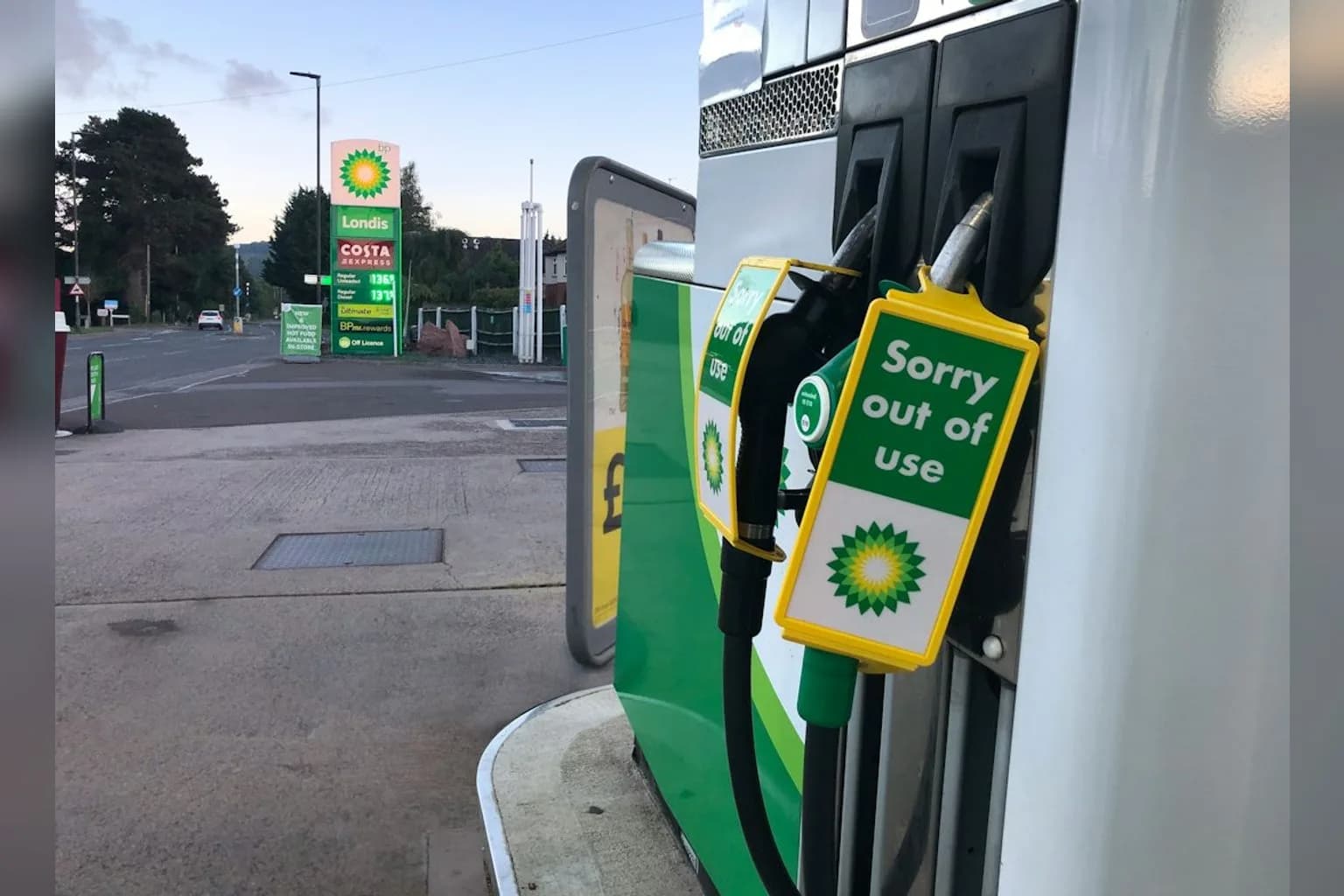
For Julie, a 66-year-old retired volunteer and cleaner, each trip to the shops brings another increase. Petrol prices have made it harder for her to go out as often, and she is worried about winter energy bills. “It is scary how much they are going to be,” she said.
Her experience sits behind a renewed rise in UK inflation. Official data released by the Office for National Statistics on 21 October 2026 put September’s annual inflation rate at 3.5%, up from 3.1% in August. It was the highest rate since October last year and above analysts’ consensus forecast of 3.4%.
Geopolitical tensions then intensified in the Middle East and Europe. Iran’s effective closure of the Strait of Hormuz after US and Israeli attacks severely disrupted a major global supply line for crude oil.
Motor fuel prices rose 29.8% in the year to September, following a 23% annual rise in August. Average petrol prices increased by 8.2p between August and September to 169.5p per litre, their highest recorded level in around four years. Diesel rose by 10.7p to 192.5p per litre, its highest price since July 2022.
By the beginning of October, average diesel prices had passed 200p a litre for the first time, according to RAC figures.
Airfares, computer games and live events also added to the September increase, though live events made a smaller contribution.
Grant Fitzner, the Office for National Statistics’ chief economist, said inflation had climbed markedly to its highest annual rate in almost a year, driven by higher crude oil and petrol prices as well as those other costs.
Chancellor John Healey said conflicts in the Middle East and Europe were pushing up prices in Britain and countries worldwide.
Energy bills are rising alongside fuel costs. Ofgem’s energy price cap rose by 13.5% in July to £1,862, then increased by a further 4% in October to £1,935.
The inflation reading has sharpened the focus on the Bank of England’s next interest rate decision, due on 5 November. Bank Rate stands at 3.75%.
The Monetary Policy Committee voted 6 to 3 to keep Bank Rate at 3.75% at its meeting ending on 16 September. Three members wanted an increase to 4%.
Martin Sartorius, lead economist at the Confederation of British Industry, said September’s inflation rise meant an interest rate increase was firmly on the table for the November meeting.
There is some offset in the figures used for pensions and benefits. State pensions are widely expected to rise by 3.9% next year, based on wage growth figures, while benefits may rise by 3.5% from next spring, based on September’s inflation rate.
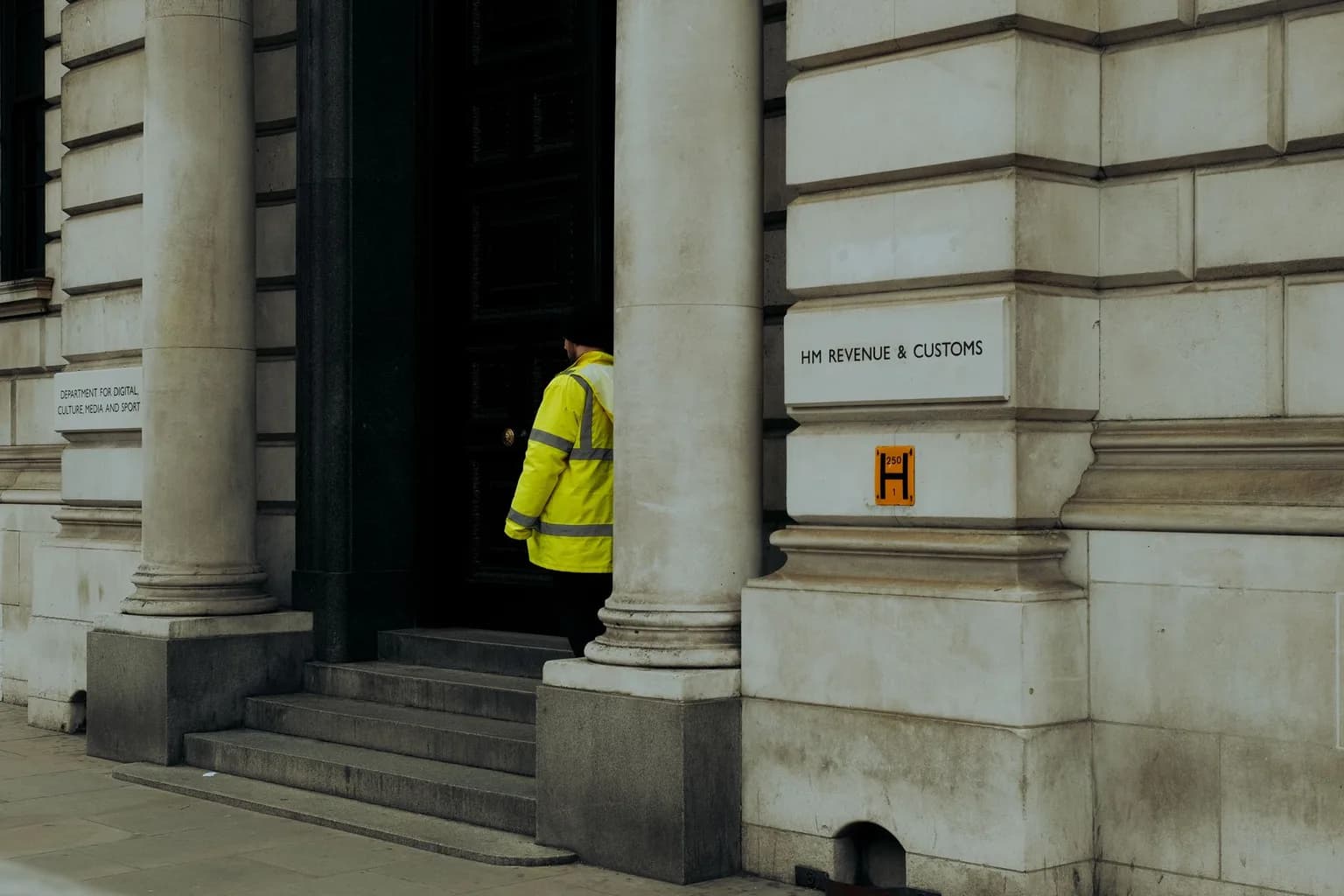
But the public finances leave the government facing pressure ahead of the Budget. UK government borrowing rose to £25bn in September, £1.8bn higher than a year earlier, while government debt passed £3 trillion for the first time.
Ruth Gregory, deputy chief UK economist at Capital Economics, said the borrowing figures painted “a dismal picture” ahead of the Budget.
Andrew Griffith, the Shadow Chancellor, called on Healey to use the Budget to tackle the deficit and reduce red tape and net zero costs that he said were increasing the cost of living for families.
Comments (0)