

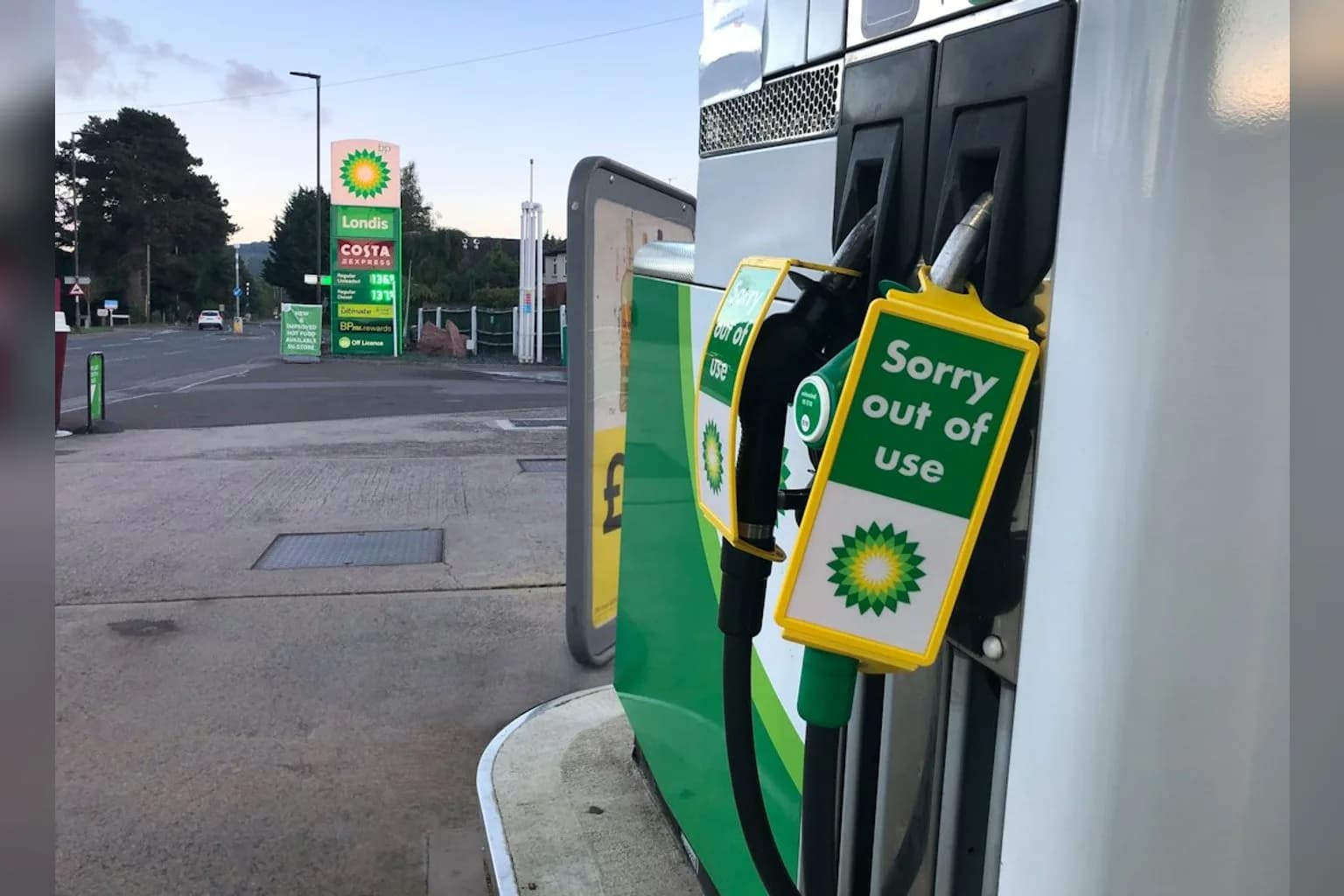
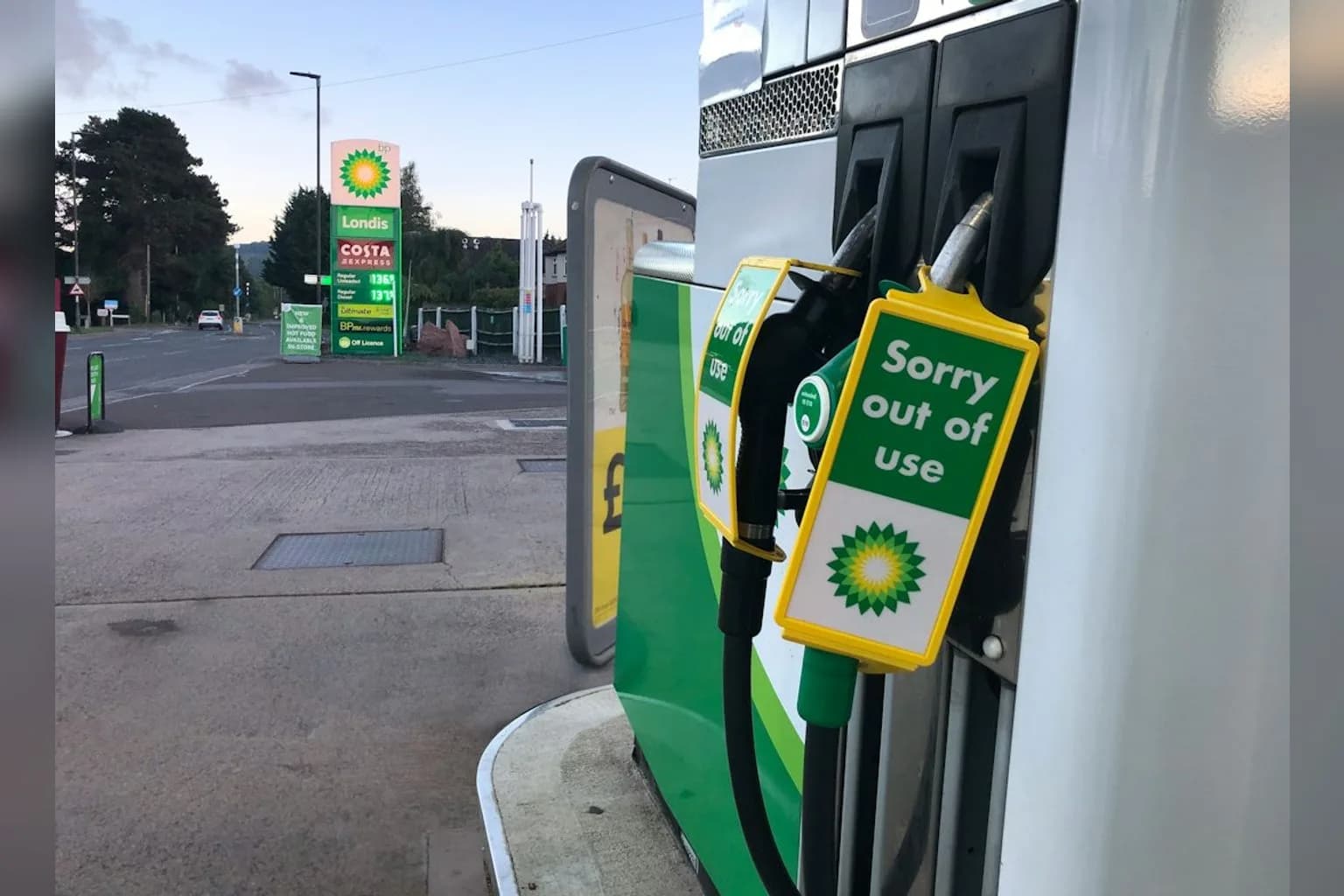
Petrol prices rose to 169.5p per litre in September, their highest level since August 2022. At the same time, markets were pricing in a 98% chance that the Bank of England would raise its key interest rate by 25 basis points to 4% next month.
UK inflation rose to 3.5% in the year to September, up from 3.1% in August and above economists’ forecast of 3.4%, the Office for National Statistics said. The reading was the fastest since October 2025.
Inflation had been at 2.9% in July before climbing in August and again in September. The ONS said higher petrol and diesel costs were the single largest force behind September’s increase, with motor fuel prices overall 29.8% higher than a year earlier.
Petrol rose by 8.2p per litre between August and September. Diesel rose by 10.7p per litre and reached a record high above £2 per litre earlier in the month before easing slightly.
The fuel shock has followed a surge in global oil and gas prices since the end of February, when the US and Israel launched their war on Iran. The practical closure of the strait of Hormuz to most fossil-fuel traffic has pushed Brent crude well above $100 a barrel, with the price hovering at about $110.
Grant Fitzner, the ONS chief economist, called September’s increase “notable” and said it had taken inflation to its highest rate in almost a year. He said higher airfares, computer games and live events had also added to price growth.
John Healey, the Chancellor of the Exchequer, linked the pressure to conflict abroad. “We know that price rises from conflicts in the Middle East and Europe are hitting Britain and countries worldwide,” he said.
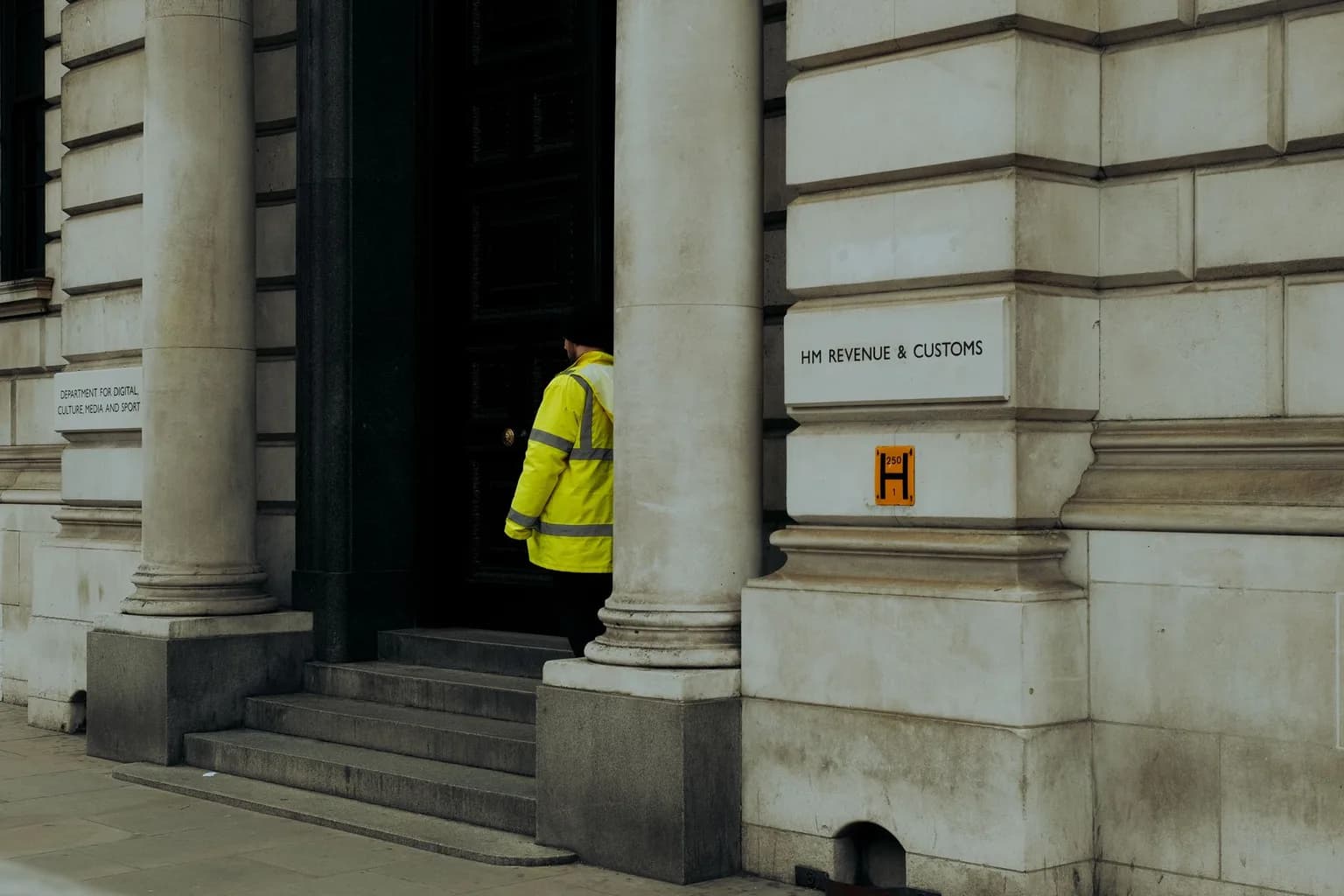
The inflation reading comes as Healey prepares to deliver his first Budget on 28 October. Government borrowing reached £25bn in September, £1.8bn higher than a year earlier and above analyst expectations. The UK’s national debt was estimated to have exceeded £3 trillion in September for the first time.
Ruth Gregory, deputy chief UK economist at Capital Economics, said the borrowing figures “painted a dismal picture” before Healey’s Budget. Suren Thiru, chief economist at the Institute of Chartered Accountants in England and Wales, said rising inflation had made the Autumn Budget “a perilous high-wire act for the Chancellor”.
Charlotte O’Leary, an economist at the National Institute of Economic and Social Research, said inflation could reach 4%, double the Bank’s target, by early 2027. The government has also given the go-ahead for more gas to be extracted from the North Sea’s Jackdaw field.


Comments (0)