

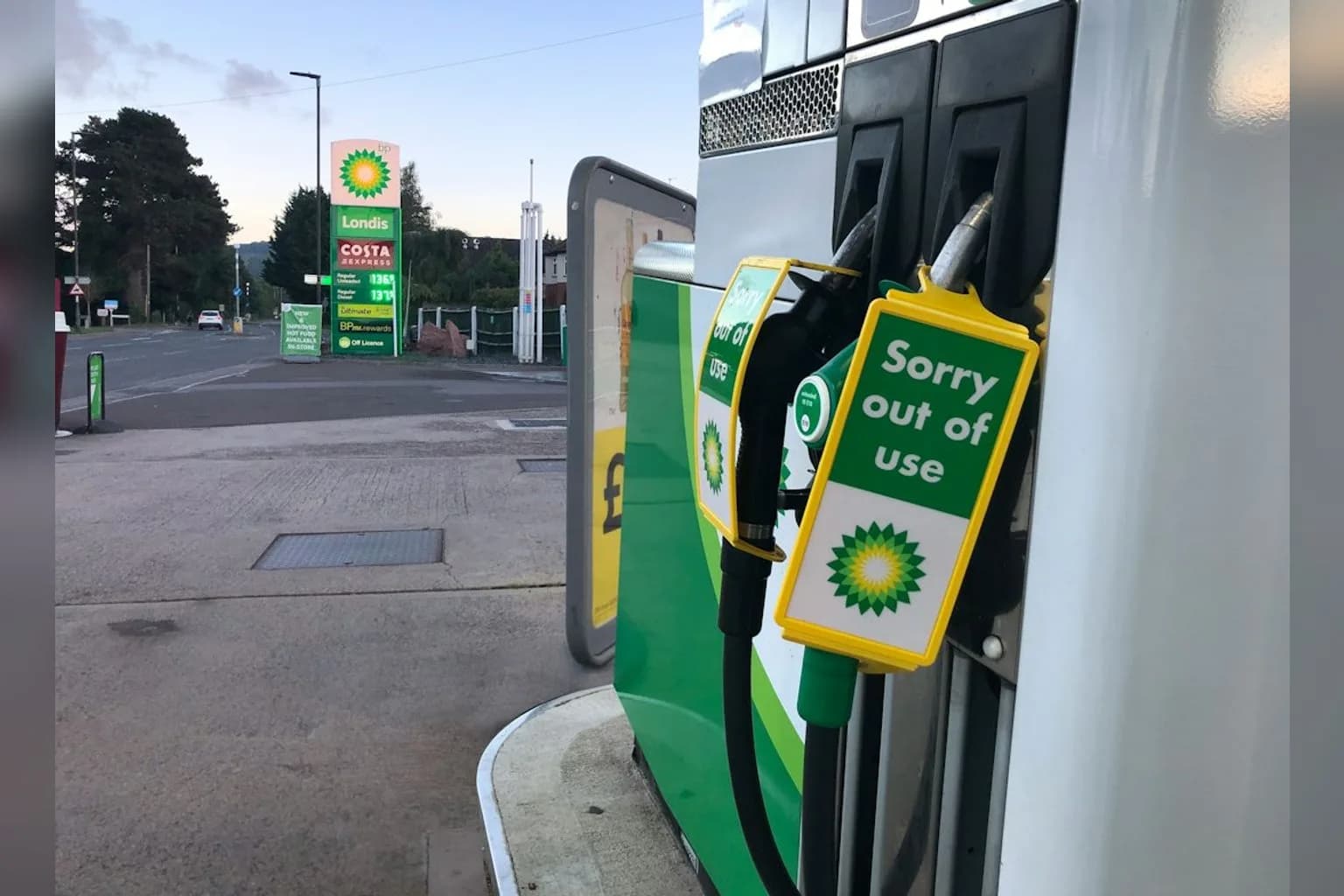
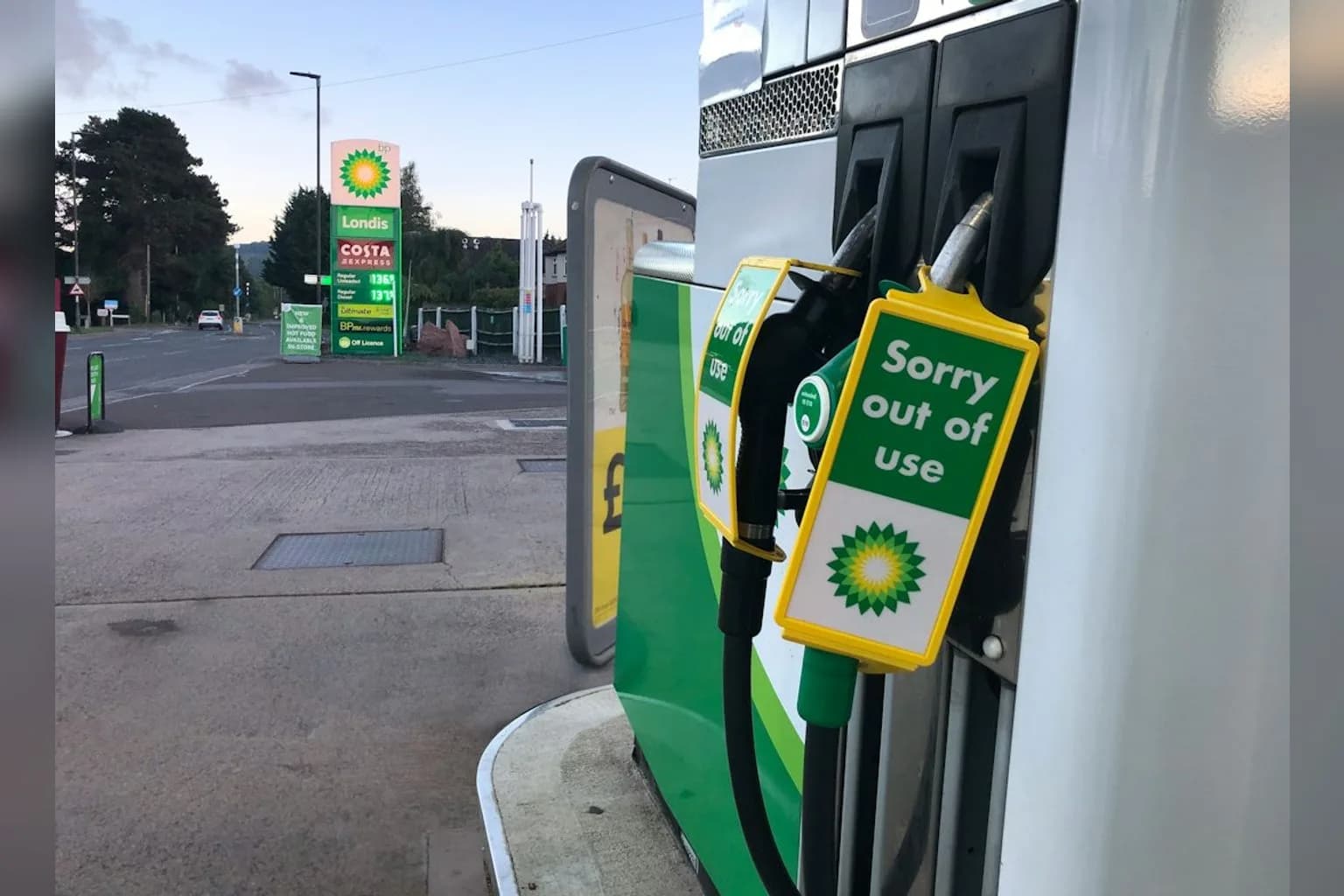
Grant Fitzner, the Office for National Statistics’ chief economist, said inflation had risen sharply in September as fuel costs climbed. “Inflation climbed notably in September to its highest annual rate in almost a year. Increased fuel prices were again the main driver, with the cost of diesel the highest since July 2022.”
The Office for National Statistics released the figures on Wednesday, 21 October 2026, showing consumer price inflation at 3.5% in September, after a 3.1% increase in August. The rate was the highest since October last year, when it stood at 3.6%, and came in above the 3.4% expected by most economists and the 3.0% rise forecast by the Bank of England in July.
Fuel was at the centre of the increase. Motor fuels rose by 30% in the year to September, following a 23% annual rise in August. Between August and September, average petrol prices rose by 8.2p to 169.5p per litre, the highest level recorded in around four years.
Diesel rose by 10.7p to 192.5p per litre, its highest price since July 2022. RAC figures showed average diesel prices moved above 200p a litre for the first time ever at the beginning of October.
Price pressures also widened beyond the forecourt. Services inflation rose to 3.7% from 3.4% in August. Factory gate prices increased by 4.6% in the 12 months to September, the largest increase since April 2023, after a 3.8% rise in August. Manufacturers’ input costs rose by 8.3%, following an increase of 6.7% in August.
Other measures moved higher too. Consumer Price Index including Housing inflation rose to 3.6% in September from 3.3% last month, while Retail Prices Index inflation increased to 3.9% from 3.4% in August.
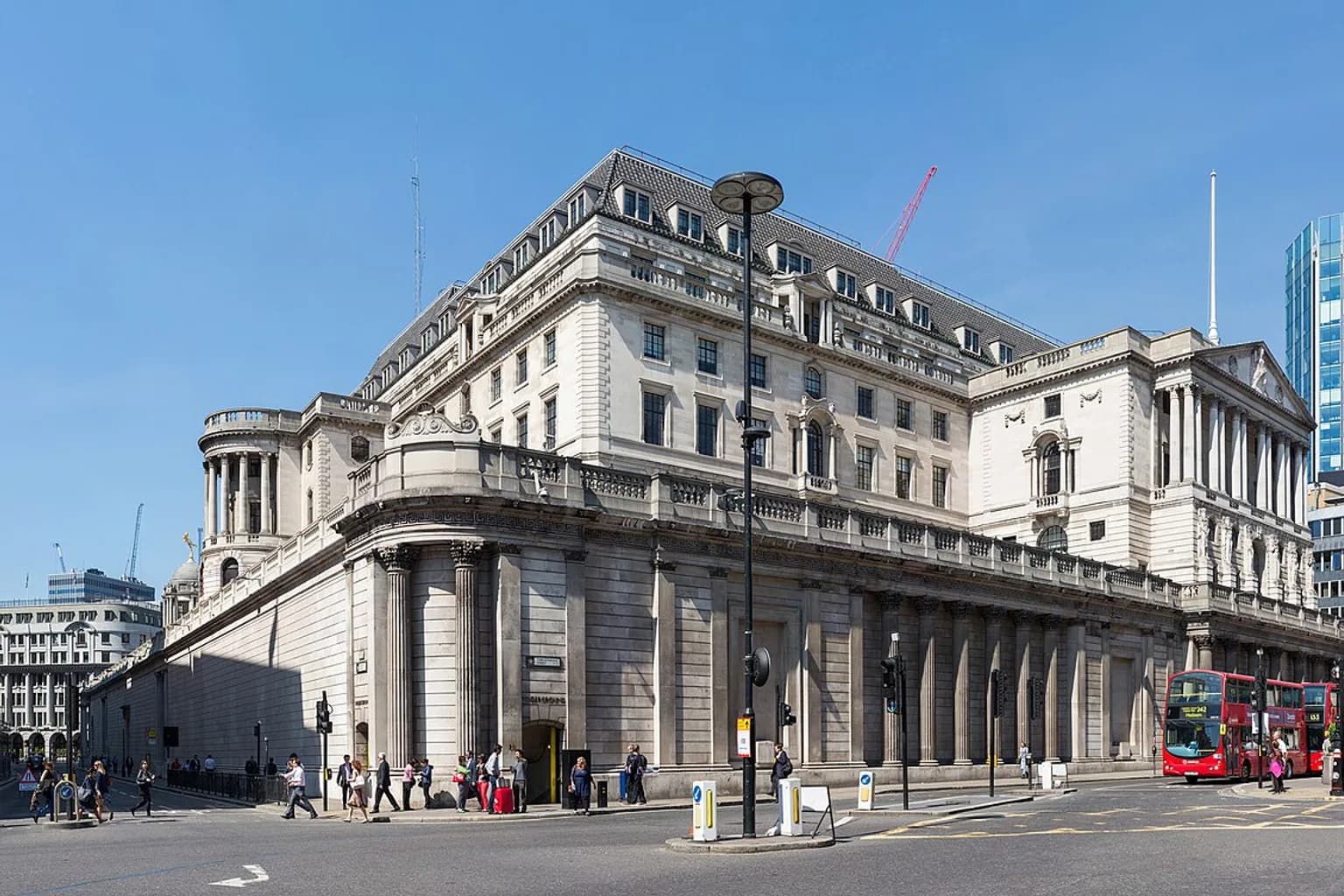
Investors and many analysts expect the Bank of England to raise its benchmark Bank Rate to 4% on November 5. Governor Andrew Bailey and other policymakers have said the prospect of a rate rise increases when energy prices remain high for longer. Martin Sartorius, lead economist for the Confederation of British Industry, said September’s reading meant an interest rate rise was “firmly on the table” at the Bank’s next meeting in November.
Household energy bills are also rising. An increase in Ofgem’s price cap took effect at the start of October, bringing higher winter prices for dual-fuel households. UK households spent an average of £676.60 a week between April 2024 and March 2025, with housing, fuel and power accounting for the largest share of spending, at 18%.
The richest fifth of households spent £1,083.60 a week, compared with £407.30 for the poorest fifth, in the year to April 2024 to March 2025. Poorer households devoted a larger share of their budgets to housing, fuel and power.
Chancellor John Healey said: “We know that price rises from conflicts in the Middle East and Europe are hitting Britain and countries worldwide.” His first budget was expected in the week after the inflation data release, with public debt having surpassed £3 trillion ($4.01 trillion).


Comments (0)